
Ever wondered if male chimps act more aggressively than females? Yeah, they usually do—but honestly, it’s not so black and white. Male chimpanzees often get physical, especially when they’re fighting over mates or trying to move up in their social group.
You’ll often see males getting into loud, direct conflicts with others in their group.
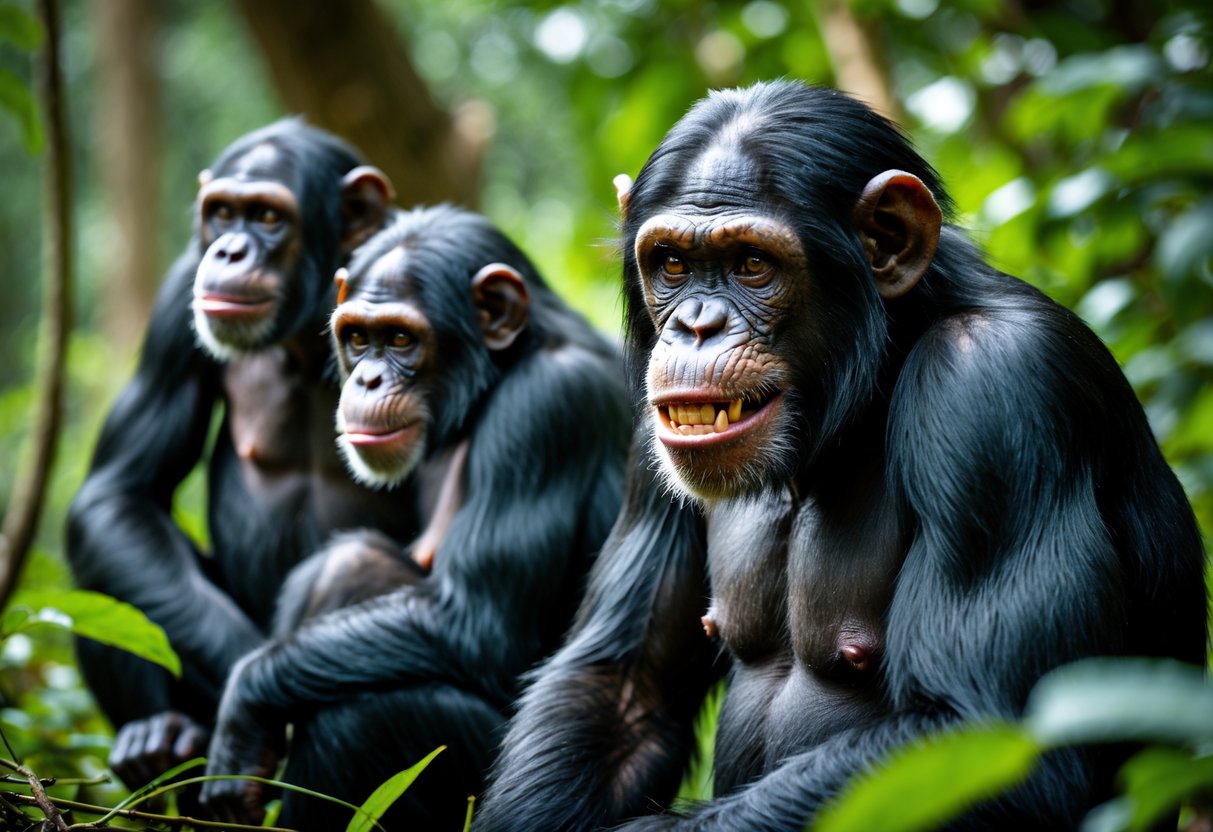
But don’t get the idea that females just sit back and watch. Female chimps can be tough in their own way.
They usually go for quieter, maybe even sneakier strategies—like building alliances, fiercely protecting their babies, or standing their ground over territory. Their aggression isn’t always obvious, but it matters just as much.
These differences can really change how you think about chimp behavior. It’s not all about who throws the first punch—it’s about how each gender uses aggression to survive and get by in the group.
Male and Female Aggression in Chimpanzees

Male and female chimps act pretty differently when it comes to aggression. Males usually get physical to compete for mates or climb up the social ladder.
Females, though, tend to use aggression mostly to protect their kids or defend food. These patterns start early and shape how adults behave.
Behavioral Differences Between Males and Females
You’ll see male chimps showing off more physical aggression than females. At places like Gombe National Park in Tanzania, males fight more often.
They charge, make a ton of noise, and sometimes get into nasty fights. Big bodies and huge canine teeth help them out in these moments.
Female chimps usually keep their aggression milder. When they do get aggressive, it’s usually about protecting their babies or fighting over food.
Males tend to pick fights with lots of group members, while females focus on specific threats to their young or resources.
Male Aggression and Mating Strategies
When it’s mating season, male chimps get even more aggressive. They compete fiercely for access to fertile females, especially those with a history of having babies.
Aggression helps them move up the ranks in the group. High testosterone levels drive a lot of this behavior.
Males who win these battles usually end up with more offspring. You can see this pattern in places like Gombe.
Aggression in Female Chimpanzees
Female chimps don’t get aggressive as often, but they’re definitely not pushovers. They’ll fight to defend their young or compete for food if they have to.
You won’t really see females forming big coalitions or dragging out fights like the males do. Their aggression is more about defense and picking battles that matter.
This helps them keep themselves and their kids safe in a complicated social world.
These differences shape the unique roles that male and female chimps play in their communities.
Comparing Chimpanzees, Bonobos, and Other Great Apes
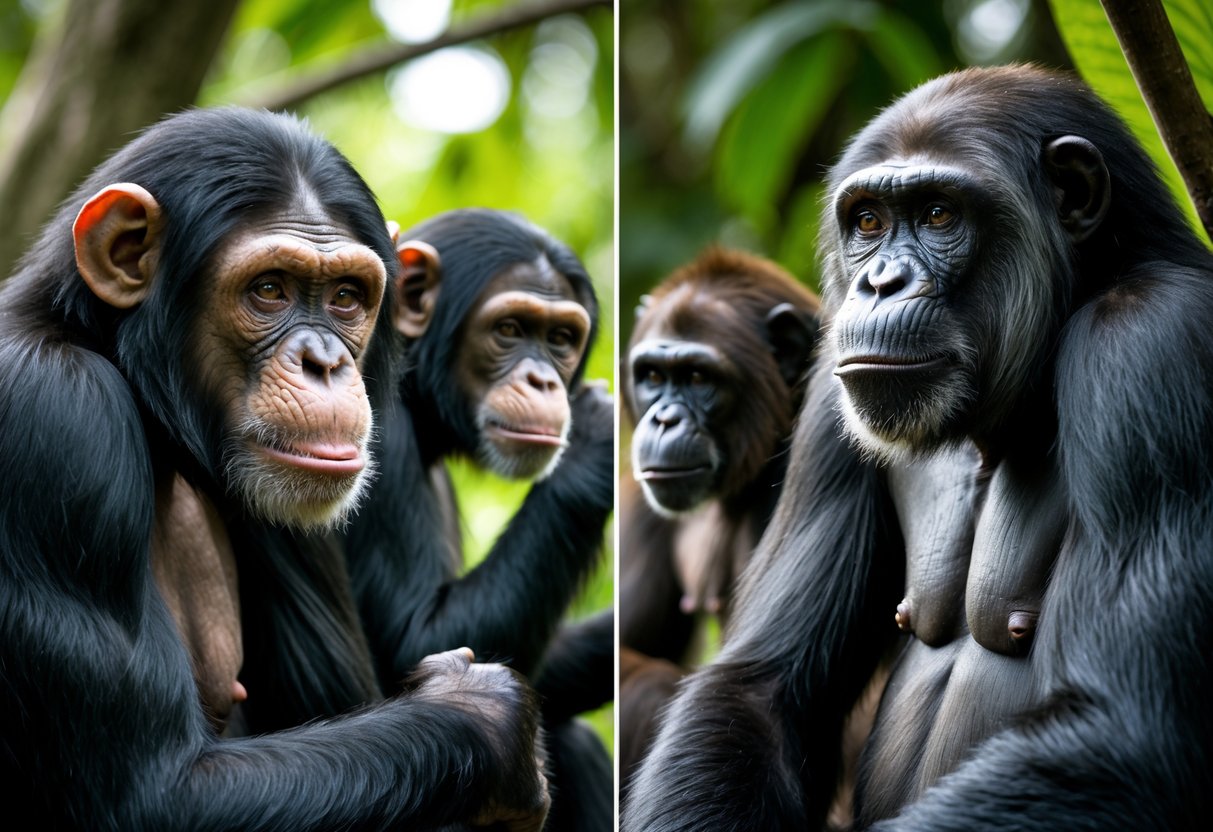
You might think male chimps are the most aggressive apes out there. But honestly, once you look at bonobos, gorillas, and orangutans, things get a lot more interesting.
How they use aggression—and why—varies a lot depending on the species and their social setup.
Male Aggression in Bonobos and Chimpanzees
It might surprise you, but male bonobos actually get into more aggressive encounters than male chimps. Studies from Central Africa say bonobo males have almost three times as many aggressive run-ins, especially with other males.
But bonobos don’t usually act aggressive toward females. In fact, females often outrank males in bonobo groups.
Chimpanzee males, meanwhile, use aggression to build coalitions and hold onto power. Sometimes, this even leads to deadly fights.
Bonobos don’t go that far—they don’t kill each other—but they’re still competitive when it comes to mating. The old idea that bonobos are peaceful and chimps are violent? It’s not quite that simple. You can read more about male bonobo aggression at earth.com.
Dominance and Social Structure Across Great Apes
When you look at all the great apes, dominance and social structure play a big role in shaping male aggression. In bonobo groups, females usually run the show.
This means males don’t act as aggressively toward females, but they might get pushback from the females themselves. That kind of setup cuts down on male-female conflicts.
Chimpanzee males, though, dominate their groups and compete hard for females. They form alliances to get ahead.
Gorillas and orangutans have their own thing going on. Male gorillas mostly use aggression to defend their group, not to dominate. Orangutans are loners, so male aggression is more about territory and finding mates.
Brian Hare’s work on ape behavior shows just how much social rank can shape these aggressive behaviors.
Research Highlights from Central Africa
Most of the big research on great ape aggression actually comes out of Central Africa. That’s where you’ll find bonobos and a lot of chimpanzee communities living in the wild.
Researchers at the Kokolopori Bonobo Reserve spent years tracking individual bonobos. They measured male aggression and found that bonobos show higher rates of male-male aggression than chimpanzees do in Gombe National Park, Tanzania.
They didn’t just watch from afar—they used what’s called focal follows, sticking with the same apes for long stretches to really get the details. It turns out, chimpanzees often show lethal aggression, but bonobos? Their aggressive acts happen more often, but they’re a lot less severe.
That’s a pretty striking difference between the two species, don’t you think? If you want to dig into the research methods or see more results, you can check out this Science Daily article.


