
You can usually stand near a giraffe without much danger, but it’s important to remember they’re wild animals. They’ve got powerful kicks and can react quickly if they get spooked.
Giraffes often act calm and a bit curious around people in parks and reserves. Still, they’ll defend their calves or run off if startled.

If you want to meet a giraffe, learning their behavior and keeping a respectful distance helps everyone stay safe. Let’s look at how gentle giraffes can be with people, how their social habits shape those moments, and when it’s best to give them extra space.
How Gentle Are Giraffes With Humans?
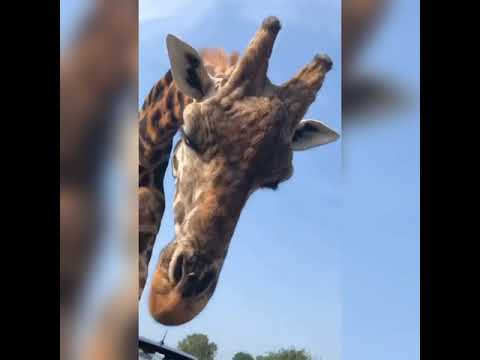
Giraffes often come across as calm and curious, but their behavior really depends on where you meet them and how you act. Sometimes you’ll get quiet tolerance, sometimes caution, and other times, a strong defensive reaction.
Natural Giraffe Behavior Around People
In the wild, giraffes usually keep away from people. Most of the time, you’ll spot them watching from a distance or slowly moving off if you get too close.
They use their height and sharp eyesight to spot threats, so sudden moves can startle them. Giraffes don’t walk up to humans looking for affection.
If one does come near, it probably feels safe because you’re steady and not acting threatening. Mothers with calves stay especially alert, and honestly, you should always give them plenty of space.
If you work near giraffes or visit parks, pay attention to their body language. When they’re relaxed, you’ll see them grazing, chewing slowly, and holding their necks steady.
If they raise their heads, stare intently, or start pacing, they’re probably uneasy.
Wild Versus Captive Giraffe Interactions
Wild giraffes keep more distance from people than those in reserves or zoos. In protected areas, giraffes sometimes get used to humans who act predictably.
You might see them feeding near vehicles or caretakers if they trust the routine. In captivity, trained staff can hand-feed giraffes under strict guidelines.
You shouldn’t try to pet or feed a giraffe unless you have permission and supervision. Enclosures and training make things safer, but at the end of the day, giraffes are still wild animals.
Your behavior matters even more in captive settings. Move calmly, listen to staff, and keep noise down to help things go smoothly.
Even giraffes that seem comfortable can react badly if you break the rules or crowd them.
When Giraffes May Become Defensive
Giraffes defend themselves when they feel threatened. Watch out for kicking, neck swinging, or sudden lunges—a giraffe’s kick can seriously injure a person or even a predator.
Mothers get especially protective of their calves and will charge if they sense danger. Males can act aggressive during fights or when showing dominance.
You really shouldn’t stand between rival bulls or near their confrontation paths. Approaching suddenly, making loud noises, or cornering a giraffe increases the risk of a defensive reaction.
If a giraffe starts snorting, stomping, or staring you down, back away slowly and give it space. Stay calm and make sure the animal has a way out—this keeps things safer for both of you.
Relevant reading: learn more about how giraffes behave around humans at Save Giraffes Now (https://savegiraffesnow.org/are-giraffes-friendly/).
Giraffe Social Nature and Interactions

Giraffes live in loose social groups and keep their distance from danger. They show clear signals when they’re stressed or just curious.
You can learn to read their behavior, and honestly, it helps keep encounters calm and safe.
Feeding Giraffes and Human Encounters
When you feed giraffes at a park or reserve, they’ll usually approach slowly and use those long tongues to take leaves or pellets. They stretch their necks and lower their heads, so it’s best to move steadily and skip any sudden gestures.
Never offer food outside supervised settings—human snacks and the wrong plants can actually harm them. If you see raised hair along their neck, sudden stomps, or a direct stare, it’s time to step back quietly.
Keep your hands flat when you offer food and always follow the staff’s instructions. Feeding programs in controlled spaces help giraffes get used to people without losing their natural caution.
Giraffes in Zoos and Wildlife Parks
In zoos and wildlife parks, keep your distance and follow the rules staff give you. You can usually see giraffes up close during feeding times or behind barriers that protect both you and the animals.
Trained keepers use rewards and routines to help giraffes feel less stressed and build trust. Don’t touch giraffes unless a keeper invites you to and supervises.
Parks often teach visitors simple signals—like staying low or speaking softly—to avoid startling the animals. These guidelines help giraffes stay calm and make sure everyone has a safe experience.
Different Giraffe Species and Their Temperaments
Giraffes don’t all act the same, which is kind of fascinating if you think about it. The Masai giraffe, for instance, tends to hang out in groups and seems pretty social.
Other types? They might keep to themselves or act a bit shy. Honestly, it’s best to treat every giraffe as its own unique character and pay attention to how it reacts before you get close.
Age and sex also play a role in how a giraffe behaves. Mothers with calves might get defensive, while young males often come off as curious or even bold.
If you know what species you’re dealing with and understand the context, you’ll have a much better shot at predicting their behavior. That makes things safer when you’re watching or interacting with giraffes.


