
Ever wondered why lions don’t usually go after the tallest animals on the savanna? Here’s the thing: giraffes are tough and risky to hunt, so lions mostly stick to easier meals unless they spot a weak, young, or injured giraffe.
Lions steer clear of adult giraffes because a single kick can kill or badly injure them. The giraffe’s size and long neck make the whole thing a pretty dangerous gamble.

Let’s look at how lion hunting tactics, giraffe defenses, and the landscape shape these rare encounters. You’ll see real examples of when lions actually try for giraffes, why they target calves, and how other predators approach giraffes differently.
Why Lions Rarely Hunt Adult Giraffes
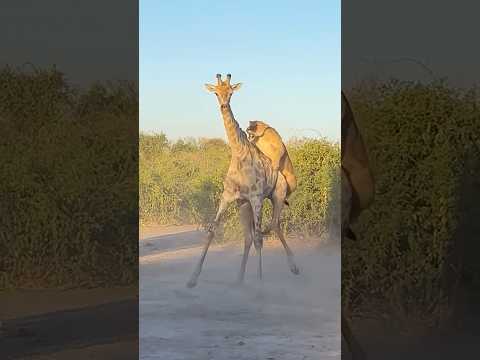
Adult giraffes are huge, fast, and can deliver kicks that are honestly terrifying. Lions look at the odds and usually decide it’s not worth it—they’d rather go after something safer.
Giraffe Size and Physical Defenses
A grown giraffe stands about 5 to 6 meters tall and can weigh up to 1,200 kg if it’s a big male. That height gives them super long, powerful legs with hooves that could smash a lion’s head or chest.
One well-aimed kick can break bones or even kill. Their long necks and strong legs let them react fast.
Giraffes usually stay standing and keep an eye out for trouble. That early warning makes it really tough for lions to sneak up.
Giraffes also use movement and space to defend themselves. When calves are around, adults spread out and take turns watching for danger.
This makes it harder for a pride to get close and increases the risk for the lions.
High Risks for Lions When Hunting Giraffes
If a pride attacks an adult giraffe, they could lose members. Even with teamwork, a coordinated attack can go wrong if the giraffe kicks or stomps during the fight.
An injured lion can’t hunt well after that. Lions want prey that won’t injure them.
Giraffes fight back, and they don’t mess around—they can kill a lion fast. Prides need their strength for the next hunt, so leaders usually call off attacks on healthy adults unless they’re desperate.
Sometimes, lions try ambushes at night or in tall grass. It can work, but it’s still dangerous.
Most of the time, lions target calves or weak adults instead of healthy, alert ones.
Factors Influencing Lion Prey Choice
A hunt depends on how hungry the pride is, how many lions are around, and how vulnerable the target looks. If there’s a big, hungry pride, they might risk going after a giraffe.
Smaller groups usually pick zebras or buffalo because they’re easier. Lions hunt more at night, when giraffes can’t see as well.
Open plains make sneaking up almost impossible, so lions wait for moments like river crossings or when a giraffe gets separated.
The giraffe’s health really matters. Injured, old, or sick animals are less risky.
If other prey is scarce, lions might take bigger chances. For a deeper dive into how lions size up and attack giraffes, check out this explanation of the lion-giraffe relationship.
How Lions and Other Predators Target Giraffes

Lions, hyenas, leopards, and crocodiles all wait for the right moment. Predators focus on calves, sick adults, or times when giraffes can’t get away.
Lion Hunting Strategies and Social Dynamics
Lions only hunt giraffes if the risk seems worth it. Prides use numbers and coordination to tire a giraffe out.
Hunters stalk at night or sneak through tall grass to get close. When they attack, several lions go for the legs or try to make the giraffe fall.
Inside the pride, different lions take on different roles. Older lionesses might lead the stalk, while younger ones try to flank.
If the group is big and a giraffe is isolated or hurt, lions sometimes go for it. But healthy adults during the day? Lions usually don’t even try—giraffes can spot them and defend themselves too well.
Vulnerability of Giraffe Calves
Giraffe calves are at the highest risk. Most attacks happen just after birth or when a calf wanders away from its mother.
Calves aren’t strong enough to kick well and can’t see danger coming like adults can. Predators use darkness or cover to sneak up.
Night hunts and ambushes at dawn or dusk make it easier to separate calves from the group. If you watch a herd, adults cluster around the young.
Isolated calves are the ones that usually get caught by lions, hyenas, or leopards.
Other Predators of Giraffes
Lions are the main threat to adult giraffes, but others play a role too. Hyenas and wild dogs usually go after calves or injured adults, and they’re quick to scavenge.
Leopards stick to calves or very young giraffes, using stealth and the cover of night. Crocodiles attack calves at river crossings or near water.
You’ll also see that disease, humans, and habitat loss put extra pressure on giraffe numbers, making some more vulnerable. For more about which animals hunt giraffes and how they pull it off, check out this list of giraffe predators (https://animalofthings.com/what-animals-eat-giraffes/).
Giraffe Behavior and Survival Adaptations
Giraffes rely on their height, sharp vision, and social instincts to make it out in the wild. You’ll often spot adults munching on acacia trees, probably because it gives them a good view and helps them avoid surprise attacks.
Their long legs aren’t just for show—giraffes can deliver a kick so strong it could kill a lion. That’s pretty wild if you think about it.
If you pay attention to how they move in groups, you’ll see adults forming protective circles. Mothers usually hide their newborns in the short grass for the first few weeks.
Giraffes tend to stick to open spaces where they can keep an eye on everything. By spotting predators early, they make life tough for lions, who usually go after easier targets. That’s probably why healthy adult giraffes don’t get hunted much.


