
Ever wonder which animal is actually smarter—elephants or chimps? Honestly, it’s a tough call. Both are brilliant in their own right, but their intelligence pops up in ways that fit their lives. Elephants remember things for years and form deep social bonds. Chimps, on the other hand, are masters at using tools and figuring out tricky problems.

Elephants and chimps are about equally smart, but their intelligence shines in unique ways that suit their lives. Elephants solve problems with their sense of smell and touch. Chimps lean more on sight and their skillful hands. When you understand both, you start to see just how varied animal intelligence really is.
If you take a closer look, you’ll find wild stories of teamwork, empathy, and clever thinking from both species. Comparing them isn’t just about who’s “smarter,” but about exploring the many forms intelligence takes in nature.
Are Elephants Smarter Than Chimps?

When you compare elephants and chimps, you’ll see their smarts play out differently. Both solve problems and show social skills, but their strengths really depend on how they interact with their world.
Key Differences in Cognitive Abilities
Elephants have huge brains—about 257 billion neurons. That gives them a real edge in memory and social skills. Their intelligence shines in teamwork, remembering things for years, and showing empathy.
You might see elephants working together to protect their group or remembering the exact spot of a distant waterhole.
Chimps are incredibly smart too, but they focus more on tools and social strategies. They make and use sticks to get food and tackle puzzles that need planning.
Both animals are up there with dolphins in terms of smarts. But elephants use their sense of smell and touch, while chimps rely more on vision and dexterous hands.
How Each Species Demonstrates Intelligence
Elephants use objects around them in surprisingly clever ways. For instance, they’ll stack blocks or roll tires to reach food that’s out of reach. They adapt tools to fit their trunks and senses—something chimps don’t usually do.
Chimps really shine when it comes to using sticks and stones as tools. They work in groups to solve problems, showing off their memory and communication skills.
Watch them closely and you’ll notice elephants comforting others, showing empathy. Chimps, meanwhile, often impress with their quick thinking and social moves.
Self-Awareness and the Mirror Test
The mirror test checks if animals recognize themselves. Chimps pass this easily—they know the reflection is them.
People once thought elephants couldn’t pass the test, but that was because the experiments didn’t fit how elephants sense the world. When researchers changed things up, many elephants passed. Some even touched marks on their faces after seeing them in the mirror.
This suggests both elephants and chimps have self-awareness, but they experience it in ways that fit their bodies and senses.
Curious for more? Check out this article comparing elephant intelligence and how both species tackle problems.
Unique Aspects of Elephant Intelligence
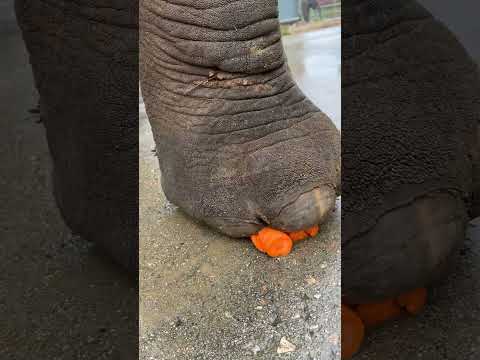
Elephants stand out for their intelligence, and it’s not just about memory. Their teamwork, emotions, and problem-solving all play a big role in how they live.
Cooperation and Teamwork in Elephant Behavior
If you watch elephants, you’ll notice they really depend on each other. African and Asian elephants stick close in family groups led by older females, called matriarchs.
These matriarchs guide the herd and make key decisions, especially when it comes to finding food or water.
Elephants stay in touch with sounds—low rumbles that travel far. They help each other carry heavy stuff or clear paths in the wild.
Cooperation isn’t just survival. It’s caring, too. Elephants team up to protect calves or help injured family members. Joshua Plotnik’s research even shows elephants invent new ways to get food when they work together.
Tool Use and Problem-Solving
Elephants don’t craft tools with their hands like chimps do, but they still use objects smartly. You might spot one grabbing a branch to scratch an itch or swat away bugs.
At some elephant sanctuaries, elephants tackle puzzles designed to challenge them. They come up with new ways to reach food or move obstacles, often using teamwork and their trunks.
Their problem-solving usually blends strength and creativity. African and Asian elephants both show off this mix, using size and smarts even if they don’t make tools quite like chimps do.
Empathy and Social Complexity
Elephants show strong emotions in how they treat each other. You might see them comforting injured herd members or standing quietly by a lost companion.
They communicate with gentle touches, soft rumbles, and close contact. This keeps their families tight-knit.
Their empathy runs deep—sometimes deeper than most animals. It helps them handle grief and loss, and keeps their groups stable for years.
Memory and Recognition Skills
Elephants have incredible memories. Honestly, it’s almost like they’re carrying around a natural GPS just for survival.
Their memory acts as a map. They remember where to find water and food, even years later and through tough dry seasons.
Both African and Asian elephants can recognize faces. They’ll remember individuals, even after being apart for ages.
That skill comes in handy when herds reunite, or when they need to figure out who they can actually trust.
Joshua Plotnik’s research suggests older elephants pass their knowledge down to the younger ones. The whole herd learns and adapts together.
This memory shapes their social structure. It’s pretty much essential for surviving all the changes in their environment.


