
Boxer dogs are known for their playful nature and loyalty, but many potential owners wonder if they are prone to aggression. While Boxers can display aggressive behaviors, it is not an inherent trait of the breed. With proper training and socialization, you can raise a well-mannered Boxer who fits perfectly into your home and community.

In general, aggression in Boxers can stem from a lack of training or socialization during their early years.
If you invest time in teaching your Boxer appropriate behaviors and exposing them to different people and other animals, you can greatly reduce the chances of aggression. Understanding your dog’s needs and providing a loving environment is key to preventing any behavioral issues.
Owning a Boxer means being prepared to engage with them actively. They thrive on attention and interaction, which helps them become secure and balanced. By fostering a positive relationship with your Boxer, you can enjoy the companionship of a friendly and loving dog.
Understanding Boxer Dog Behavior
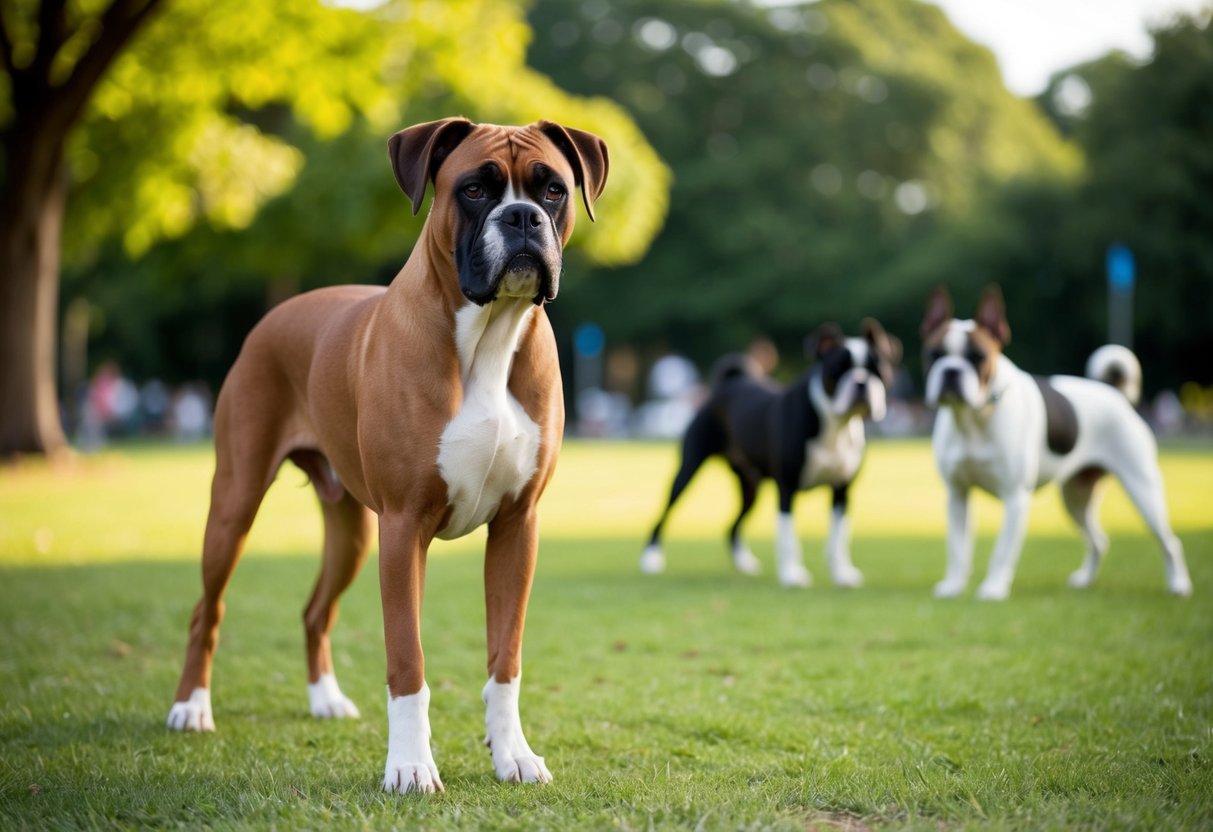
Boxers are known for their energetic and playful nature. Understanding their behavior is important for ensuring they are well-adjusted family pets.
Key factors like their protective instincts and the need for early socialization play significant roles in their behavior.
Breed Characteristics and Temperament
Boxers have a strong and playful demeanor that makes them great family pets. Their loyalty and protective nature mean they can be wary of strangers. This instinct can sometimes lead to aggressive behavior if not properly managed.
Many Boxers exhibit play aggression, which is not true aggression but rather an expression of their energy during play. Keeping their playful nature in check is essential for a well-balanced dog. With the right training, you can channel this energy positively.
Boxers thrive on companionship and respond well to affectionate environments. Their friendly disposition usually comes out in social settings with familiar people and dogs.
The Role of Socialization
Early socialization is crucial for Boxers to develop good behavior.
Exposing them to various environments, people, and pets can help them feel comfortable and less fearful. If not socialized early, they can become overly protective or aggressive towards unfamiliar situations.
Regular playdates with other dogs are a fantastic way to foster positive interactions. Incorporating training programs can also help build their confidence and reduce the likelihood of reactive behavior. Ultimately, a well-socialized Boxer is a happy and balanced companion.
Common Aggressive Tendencies in Boxers

Boxers can display various aggressive tendencies that are important to recognize. Understanding these behaviors helps in managing and preventing issues. You can play a key role in shaping their behavior through proper training and socialization.
Identifying Aggressive Behavior
You might notice some signs of aggression in your Boxer. Common behaviors include growling, barking, and showing teeth. They may also adopt a stiff posture or make direct eye contact. These actions can indicate discomfort or a readiness to defend themselves.
Look for signs of territorial behavior, especially if your dog is protective of their space or family. A Boxer may react aggressively towards strangers or other animals. If you catch these signs early, you can address them with training techniques and avoid escalation.
Factors Contributing to Aggression
Several factors influence aggressive tendencies in Boxers. A lack of socialization during their critical development stages can lead to fear-based aggression.
Proper exposure to various people and environments is essential for encouraging positive interactions. Additionally, innate traits like prey drive can spark aggressive reactions, especially towards smaller animals. Dominance issues can also arise, particularly if boundaries are not clear in your household.
Fear-based aggression often stems from a past traumatic experience, so it’s vital to handle your Boxer with care and confidence.
Male vs. Female Boxer Aggression
When considering aggression in Boxers, there can be differences between males and females. Male Boxers are often more prone to same-sex aggression, especially if they feel threatened by other males. This can lead to confrontations if not managed properly.
On the other hand, female Boxers may exhibit more territorial behavior. They can also show aggression when their space is invaded or if they feel their puppies are threatened. Regardless of gender, spaying or neutering can reduce aggressive tendencies and help improve behavior.
Effective Training and Management Strategies

Training and managing a Boxer’s behavior is vital to preventing aggression. Using the right techniques can help your dog become well-adjusted and happy.
Focus on positive reinforcement, get professional help when needed, and ensure your Boxer gets plenty of exercises to keep their energy in check.
Positive Reinforcement Techniques
Positive reinforcement is a powerful tool in training your Boxer. This method rewards good behavior rather than punishing bad behavior. You can use treats, praise, or playtime as rewards.
For instance, when your Boxer sits calmly around other dogs, offer a treat. This encourages them to repeat the behavior. Consistency is key. Always reward your dog immediately after they exhibit the desired behavior to help them connect actions with rewards.
Incorporating training sessions into your daily routine can also be helpful. Short sessions, around 5 to 10 minutes, are effective. This keeps your Boxer engaged without overwhelming them.
Professional Training and Support
Sometimes, seeking help from a professional dog trainer is the best option. A trainer can provide tailored strategies specific to your Boxer’s needs. In cases of persistent aggression, professional guidance can be invaluable.
Ask about training programs that focus on aggressive behavior. Look for trainers experienced with Boxers, as they understand the breed’s traits well.
Group classes can also provide socialization opportunities. Interacting with other dogs in a controlled setting helps your Boxer learn to behave appropriately. You’ll gain support and tips from others going through similar challenges.
Exercises and Activities to Mitigate Aggression
Training and managing a Boxer’s behavior is vital to preventing aggression. Using the right techniques can help your dog become well-adjusted and happy.
Focus on positive reinforcement, get professional help when needed, and ensure your Boxer gets plenty of exercises to keep their energy in check.
Positive Reinforcement Techniques
Positive reinforcement is a powerful tool in training your Boxer. This method rewards good behavior rather than punishing bad behavior. You can use treats, praise, or playtime as rewards.
For instance, when your Boxer sits calmly around other dogs, offer a treat. This encourages them to repeat the behavior. Consistency is key. Always reward your dog immediately after they exhibit the desired behavior to help them connect actions with rewards.
Incorporating training sessions into your daily routine can also be helpful. Short sessions, around 5 to 10 minutes, are effective. This keeps your Boxer engaged without overwhelming them.
Professional Training and Support
Sometimes, seeking help from a professional dog trainer is the best option. A trainer can provide tailored strategies specific to your Boxer’s needs. In cases of persistent aggression, professional guidance can be invaluable.
Ask about training programs that focus on aggressive behavior. Look for trainers experienced with Boxers, as they understand the breed’s traits well.
Group classes can also provide socialization opportunities. Interacting with other dogs in a controlled setting helps your Boxer learn to behave appropriately. You’ll gain support and tips from others going through similar challenges.
Exercises and Activities to Mitigate Aggression
Daily exercise is essential for your Boxer to avoid unnecessary aggression. A lack of physical activity can lead to pent-up energy and stress, which may trigger aggressive behaviors.
Aim for at least 60 minutes of exercise each day. This can include walks, playtime, or engaging in sports like agility. Regular walks not only provide physical benefits but also mental stimulation.
Interactive games, such as fetch or tug-of-war, can be great bonding activities. These activities help your Boxer burn off energy and learn self-control.
Incorporating playdates with other friendly dogs can also help. This social interaction is key to a well-rounded, calm Boxer.
Preventing Aggression in Boxer Dogs
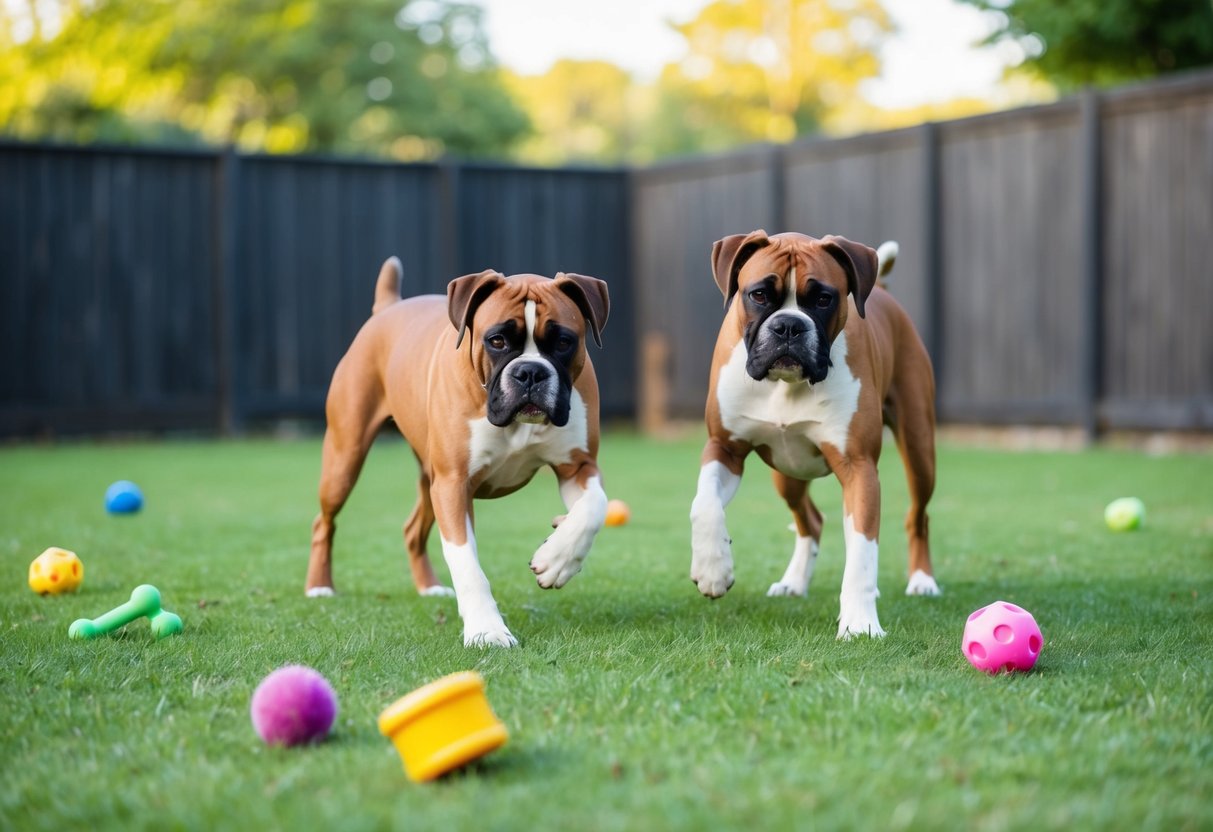
Preventing aggression in Boxer dogs is essential for a safe home environment. Issues such as poor breeding and past trauma can lead to aggression if not addressed. Focus on consistency in training and ensure your dog’s health needs are met.
The Importance of Consistency
Consistency in training is crucial for preventing aggression in Boxers. Using the same commands and rules helps your dog understand what is expected. This reduces confusion and anxiety, which can lead to aggressive behavior.
You should also practice regular socialization. Exposing your Boxer to different people, environments, and other dogs from a young age can help them become well-adjusted adults. Remember to reward positive behavior with treats and praise. This will reinforce good actions, making them less likely to react aggressively.
Health and Nutritional Considerations
Your Boxer’s health plays a big role in their behavior. Regular health checks are vital for spotting any underlying issues that may cause aggression.
Pain or illness can lead to irritability, so make sure your dog gets regular vet visits.
Nutrition is equally important. A balanced diet supports good health and energy levels.
An undernourished or overly energetic Boxer may become frustrated, leading to issues like resource guarding. Proper feeding habits can help you avoid these problems and keep your dog happy.


