
If you’re thinking about getting a beagle or already have one, you might wonder how they interact with strangers. Beagles are known for their friendly nature, making them generally good with unfamiliar people. Most beagles are eager to greet strangers, often with wagging tails and playful energy.
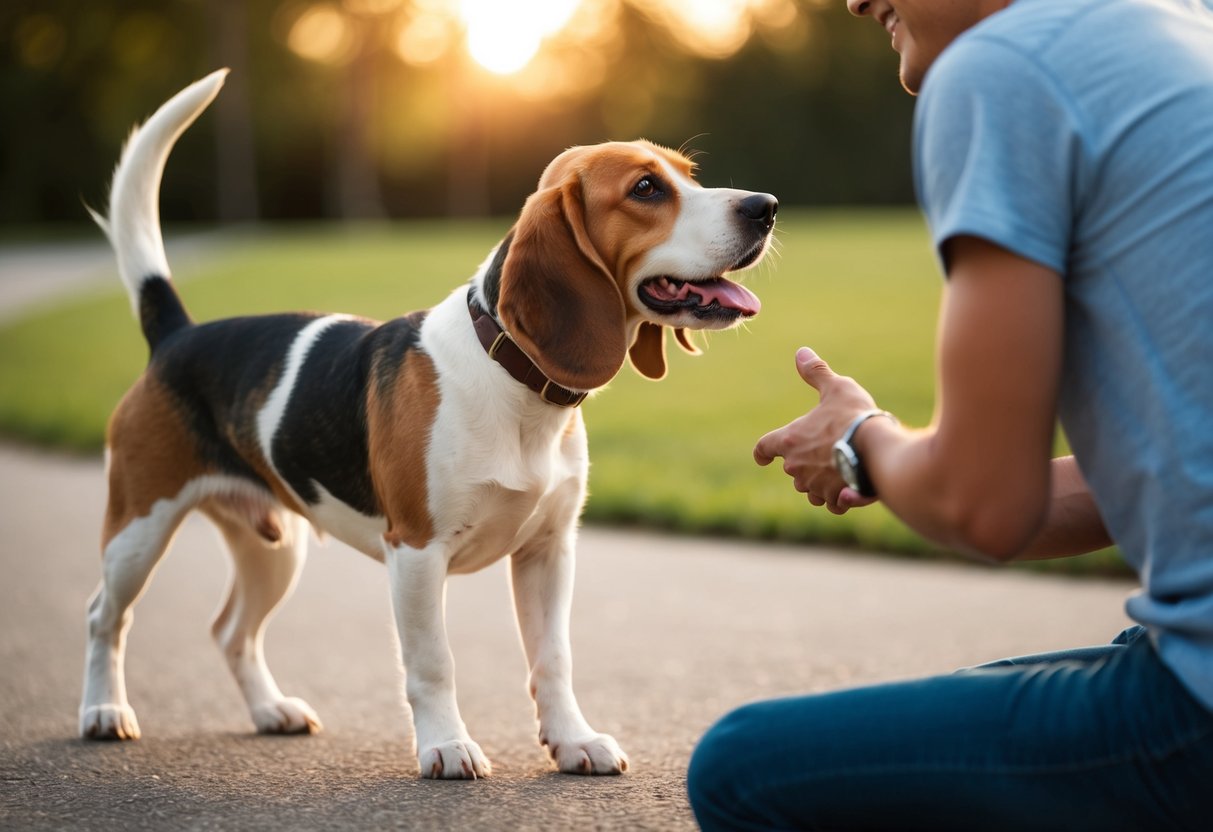
Their background as hunting dogs contributes to a pack mentality. This means they usually enjoy the company of people and other animals. With proper socialization and training, your beagle can become even more comfortable around newcomers, making them great companions in various situations.
Whether you live in a busy neighborhood or a quiet area, a friendly beagle can bring joy to everyone they meet. If you’re curious about how to ensure your beagle is friendly and what factors influence their behavior, keep reading to learn more!
Understanding Beagle Temperament and Sociability

Beagles are known for their friendly and sociable nature, making them popular family pets. This section explores their important traits, how they interact with strangers, and how they compare to other dogs in terms of sociability.
Beagle Traits and Friendliness
Beagles are affectionate and friendly dogs. Their sociable personality makes them excellent companions for families. Known for their playful nature, they enjoy being around people and are usually good with children.
Beagles have a curious intelligence. This trait means they require mental stimulation to stay happy. Positive reinforcement training works best with them. Rewarding good behavior helps develop a strong bond with your Beagle. Their strong sense of smell ties back to their history as hunting dogs in the hound group.
Interactions With Strangers and Early Socialization
Interactions with strangers can vary based on early socialization. Beagles that are well-socialized tend to be more comfortable and friendly with new people. Introducing them to various settings and different faces during puppyhood is crucial.
A Beagle lacking socialization may become uncertain around unfamiliar individuals. They could display shy or defensive behaviors. Early socialization allows them to be confident and outgoing, showcasing their friendly nature. Regular positive experiences with new people promote their sociable behavior.
Comparison With Other Dogs
When comparing Beagles to other dog breeds, their friendly nature stands out. Many dogs may be reserved or protective, but Beagles typically greet strangers with curiosity. Their high energy and playful disposition make them engaging companions.
In contrast, breeds like guard dogs may be more cautious or protective. Beagles thrive in family environments and adapt well to various lifestyles. This versatility enhances their appeal as family pets. Their affectionate demeanor helps them form connections with everyone, from kids to adults.
Beagle Needs and Care
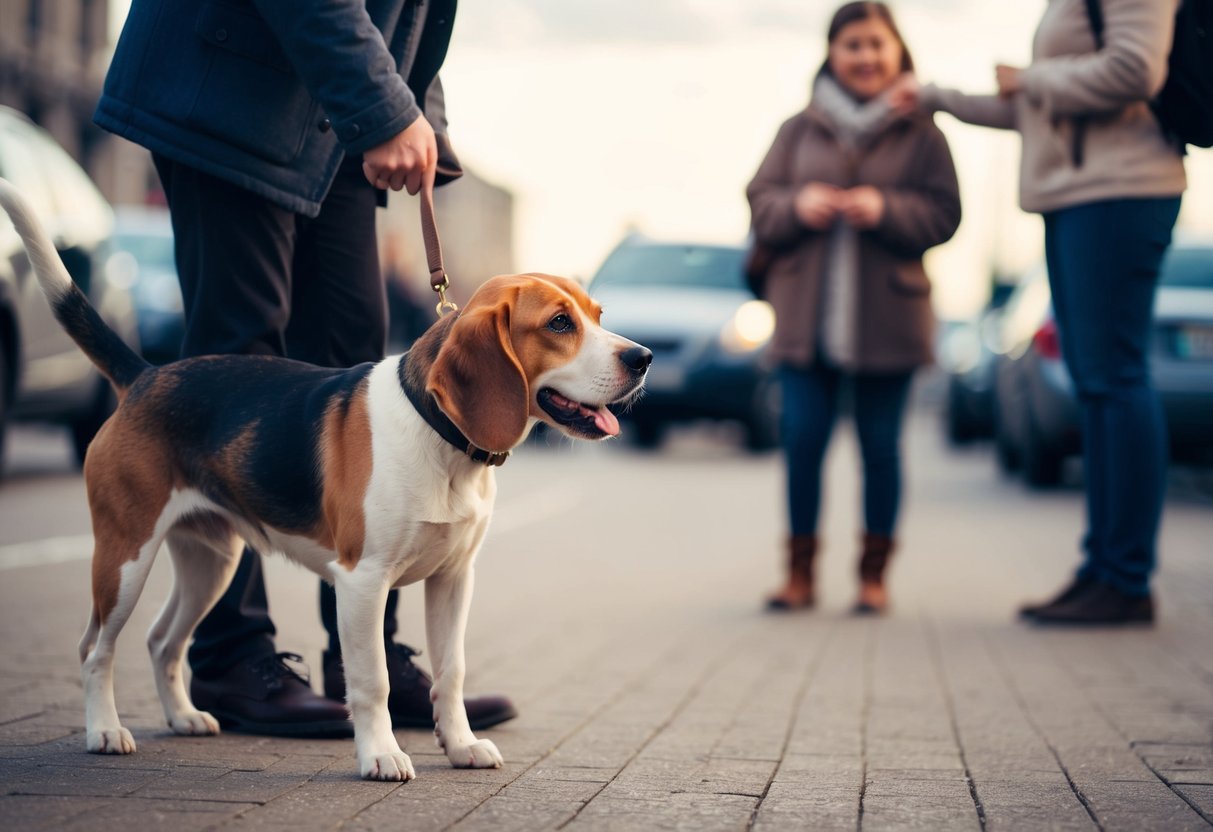
Beagles require attention in areas like exercise, grooming, and living environments. Understanding these needs is essential for keeping your beagle happy and healthy.
Exercise and Energy Levels
Beagles are known for their energetic nature. Your beagle needs a good amount of daily exercise to stay fit. Aim for at least 30 to 60 minutes of activity each day. This can include walks, playtime, and even outings in a fenced area.
Without enough exercise, beagles can become bored and display destructive behavior. Beagle puppies, in particular, have boundless energy and require social interaction. Engaging with them through games or training can also help meet their exercise needs while strengthening your bond.
Health and Grooming Requirements
Beagles are relatively low-maintenance when it comes to grooming. Their short coats require only weekly brushing to remove loose fur. Bathing should be done every 4 to 6 weeks, or as necessary if they get dirty.
In terms of health, regular vet check-ups are important. Beagles can face issues like obesity or ear infections, so keep an eye on their diet and hygiene. They aren’t hypoallergenic, so if you have allergies, consider other breeds. Following a good care routine keeps your furry friend healthy and active.
Adaptability and Suitable Environments
Beagles are quite adaptable and can thrive in various living situations, from apartments to houses with yards. However, they do best in environments where they can safely explore and remain active.
Separation anxiety can be an issue if left alone for long periods. Beagles are known escape artists, so ensure your fencing is secure if they have outdoor access. Providing them with toys or engaging activities will help ease their anxiety.
Training and Behavior Management

To help your Beagle be friendly with strangers, focus on training techniques that enhance their natural personality. You can encourage positive interactions by managing their behavior and building a strong bond.
Trainability and Positive Reinforcement
Beagles are known for their affectionate nature but can be stubborn. This means training your Beagle might not always be easy. The best way to teach them is through positive reinforcement.
Use treats, praise, and playtime as rewards during training sessions. Begin with basic commands like “sit” or “stay” to lay a solid foundation. Keep training sessions short and fun to capture your Beagle’s attention.
Remember, consistency is key. The more you train your puppy, the better they will respond in various situations, including meeting new people.
Dealing With Stubbornness and Behavior Challenges
Beagle puppies can display stubbornness when they find something more interesting than your training. To overcome this, redirect their focus with a favorite toy or treat.
If your Beagle doesn’t respond well, change up the training method. Incorporate games that require them to follow commands to make it engaging. For instance, hide and seek is a fun way to practice “come” and reward them warmly when they succeed.
Regular socialization is important too. Expose your Beagle to different environments and people to reduce their timidness when meeting strangers.
Building a Strong Bond With Your Beagle
A strong bond with your Beagle ensures better understanding and cooperation during training.
Spend quality time with them through walks or playtime to help strengthen your relationship.
Engage in activities like puppy classes or group walks where they can interact with other dogs and people.
This not only helps with socialization but also promotes friendly behavior with strangers.
When your Beagle feels loved and secure, they are more likely to be receptive to training.
This affectionate relationship allows for better communication, which is vital for managing their behavior effectively.


