
If you’re considering bringing a beagle into your home, you might wonder whether they prefer being the only dog in the household. Many beagles can thrive as the only dog, enjoying the full attention of their family without the stress of sharing their space with other pets. Their friendly and social nature means they can also get along well with other dogs, but each beagle has its own unique personality.
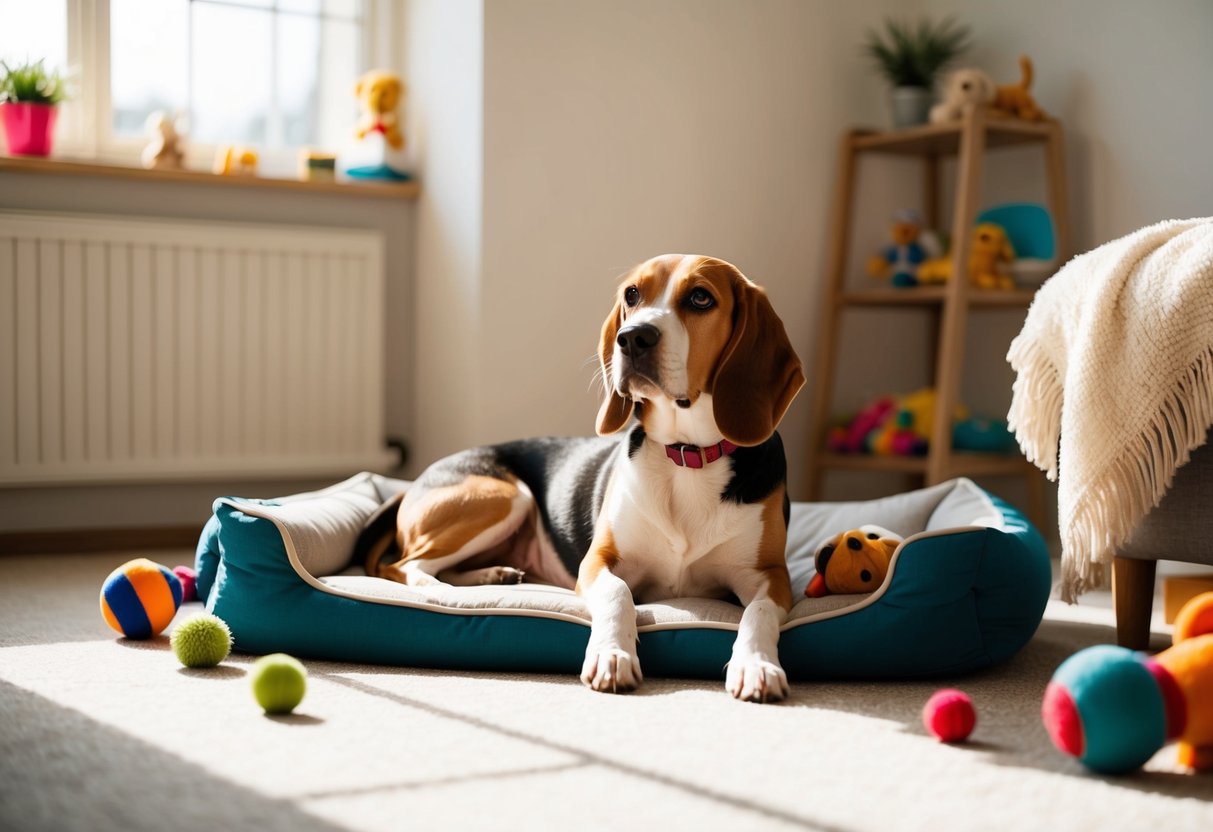
Your beagle’s comfort level as an only dog can depend on several factors, like their past experiences and temperament. Some beagles may enjoy the companionship of other dogs, while others might be perfectly content having the spotlight all to themselves. Understanding your beagle’s needs and preferences is key to ensuring they feel happy and secure in your family.
When you have a beagle as the only dog, you can build a strong bond and provide them with a loving environment. Beagles are known for their loyalty and affection, making them great family dogs. If you give them the care they need, they can flourish as an only pet and bring joy to your home.
Understanding the Beagle Breed

Beagles are known for their friendly nature and social tendencies. They thrive on companionship and have unique behavioral traits that make them endearing pets. Understanding these aspects can help you decide if a Beagle is the right fit for your home.
Socialization and Companionship
Beagles are highly sociable dogs that enjoy being around people and other pets. They are not the best choice if you want a dog that can be alone for long periods. These canines thrive on companionship, making them great family pets.
Tips for Socializing Beagles:
- Early Exposure: Introduce your Beagle to different environments, people, and animals as a puppy.
- Play Dates: Arrange regular time with other dogs to help them develop social skills.
- Training Classes: Join a training class that focuses on socialization.
Beagles feel happiest when they have companions, whether human or canine.
Behavioral Traits of Beagles
The Beagle breed is playful and curious, known for their strong sense of smell. They can be stubborn at times, which may require patience during training. Beagles are also vocal, often using barks or howls to communicate their needs.
Common Behavioral Traits:
- Curiosity: Their curious nature can lead them to explore even off-leash, so supervision is key.
- Playfulness: Beagles love to play and will engage in activities with both toys and people.
- Affectionate: They often form strong bonds with their families, seeking attention and affection.
Understanding these traits helps you create a conducive environment for your Beagle’s happiness and well-being.
Beagle Pros and Cons
Knowing the pros and cons of owning a Beagle can aid in your decision-making process. Beagles are friendly and adaptable pets, but they do have some challenges.
Pros:
- Sociable Nature: They enjoy being around people and other dogs.
- Good Family Dog: Perfect for homes with active families due to their playful demeanor.
- Endearing Personality: Their affectionate nature makes them lovable companions.
Cons:
- Need for Companionship: They may not do well if left alone for long periods.
- Stubbornness: Training can require extra time and patience.
- Vocalization: Their tendency to bark could be an issue in shared living spaces.
By weighing these pros and cons, you can determine if a Beagle is the right canine companion for you.
Impact on Beagles as Solo Pets

Caring for a beagle as a solo pet has unique challenges and rewards. Understanding their specific needs can help you provide a happy environment for your furry friend while ensuring they stay mentally and physically stimulated.
Mental Stimulation and Activity Needs
Beagles are active and intelligent dogs. They require daily mental stimulation to keep them happy. Engaging activities like puzzle toys, scent games, or obedience training can be beneficial.
In addition to mental challenges, exercise is crucial. Aim for at least 30 minutes to an hour of vigorous activity each day.
Regular walks, playtime in the yard, or trips to the dog park are great options. These activities can help prevent boredom, which may lead to destructive behaviors.
Potential Behavioral Issues in Solo Beagles
When beagles are left alone for long periods, they can develop behavioral issues. Common problems include barking, chewing, and digging. These behaviors often stem from boredom or anxiety.
If your beagle feels lonely, consider providing toys that stimulate their mind. Chew toys or interactive games can help keep them occupied.
Additionally, gradually increasing their alone time can help them adjust better. If issues persist, professional training may be needed.
Signs Your Beagle Might Want a Canine Friend
Your beagle’s behavior can indicate whether they would like a companion. If you notice excessive barking, whining, or destructive behavior when left alone, your beagle may be feeling lonely.
Another sign is their reaction to seeing other dogs. If they show excitement or try to engage, they might enjoy having a second dog around.
When thinking about adding another dog, consider adopting an adult that complements your beagle’s energy and temperament. This can provide the companionship they crave while reducing loneliness.
Training and Managing a Beagle as an Only Dog
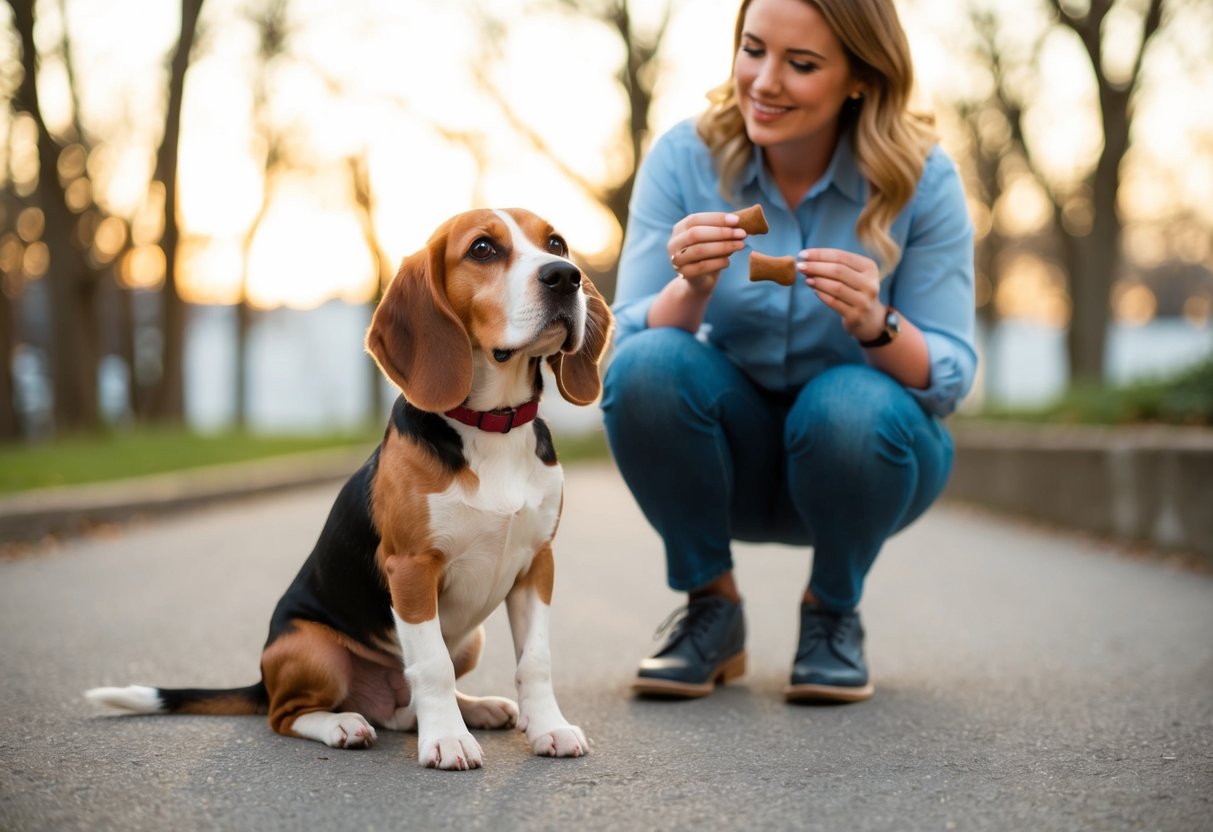
Managing a Beagle as the only dog can be rewarding yet challenging. Beagles can experience separation anxiety, so it’s important to train them well. Using positive reinforcement techniques will make training easier. Additionally, addressing excessive barking and howling will help create a peaceful environment for both you and your Beagle.
Overcoming Separation Anxiety
Beagles are social dogs and can struggle with being alone. To help overcome separation anxiety, gradually get your Beagle used to being alone for short periods.
Start by leaving them in a safe area for just a few minutes. Then, slowly increase the time as they become more comfortable.
Make sure to provide mental stimulation like toys or puzzles to keep them occupied while you are away.
Consider rewarding them with treats or praise when they stay calm during your absence. This positive reinforcement teaches your Beagle that being alone can be a good experience.
Positive Reinforcement Techniques
Positive reinforcement is key when training your Beagle. Use treats, praise, or playtime to encourage good behavior.
For instance, when your Beagle follows a command, immediately reward them. This method increases the chances of repeating the positive behavior.
Consider training sessions that last about 5-10 minutes to maintain their attention. Focus on basic commands such as sit, stay, and come.
Consistency in training is crucial, so practice daily. Over time, your Beagle will learn to respond quicker and more reliably.
Dealing with Excessive Barking and Howling
Beagles are known for their barking and howling, especially when bored. To manage this behavior, ensure they get enough physical and mental exercise.
Daily walks and playtime can help reduce their energy levels. Incorporate interactive toys to keep their minds sharp.
When your Beagle barks or howls, do not reinforce this behavior by giving attention. Instead, wait for a moment of silence and reward them then.
This will teach them that being quiet brings rewards. Be patient as habits can take time to change, but with consistent training, you will notice improvements.
Ensuring Your Beagle Thrives in a Single-Dog Home
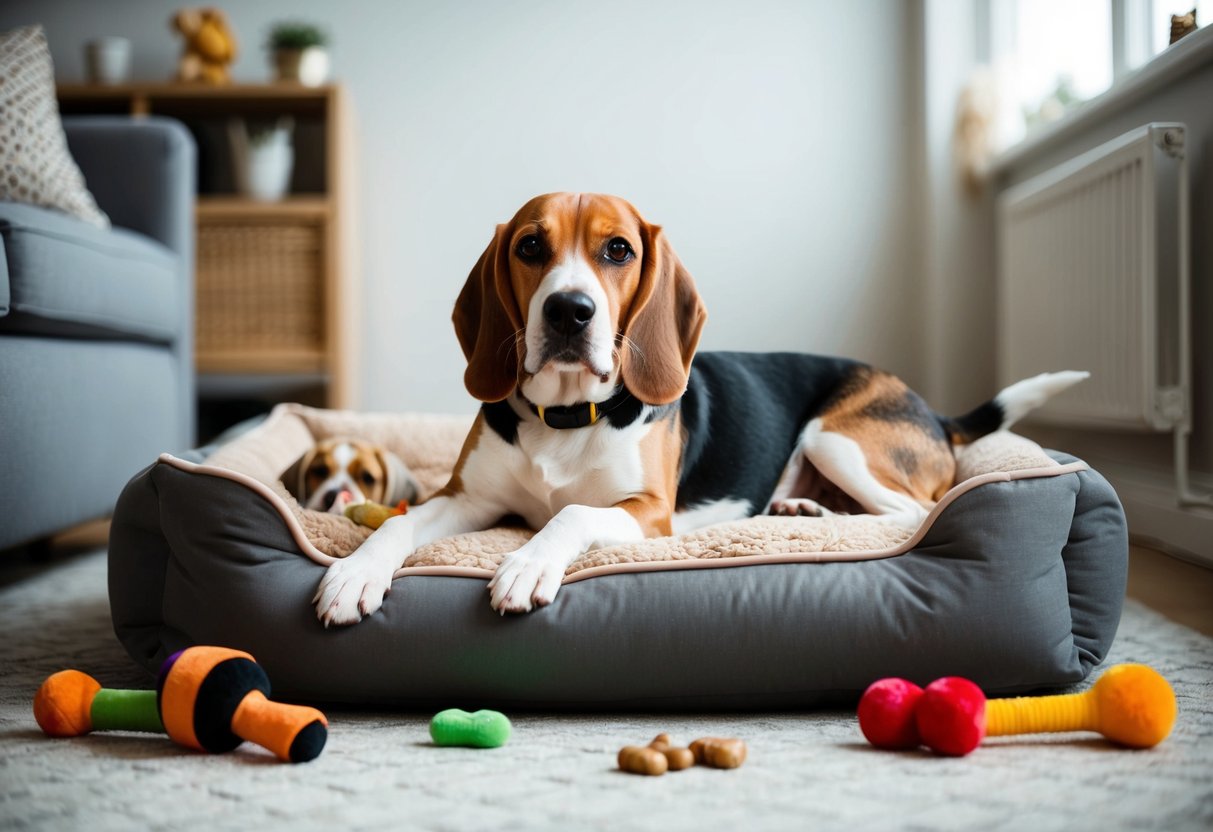
Creating a happy environment for your Beagle as the only dog requires attention to their needs. Focus on routine, exercise, and social interaction to make sure they feel loved and stimulated.
Routine and Consistency
Beagles thrive on routine. Establish a daily schedule for feeding, walks, and playtime. This consistency helps your Beagle feel secure and reduces anxiety.
Stick to set meal times, as Beagles can easily become food-driven. Eating at the same time each day helps your dog know what to expect.
Also, make sure you spend quality time with your Beagle. They are known as “velcro dogs” because they like to be close to their owners. This closeness provides comfort.
Providing Adequate Exercise and Stimulation
Beagles are energetic and curious dogs, needing at least 60 minutes of exercise daily.
Take your Beagle for regular walks and allow them to explore their surroundings.
Incorporate games that stimulate their mind. Activities like hide-and-seek or using puzzle toys can keep them engaged.
Beagles are natural scent hounds, so letting them sniff during walks is important for their happiness.
Having a yard can also be beneficial. If you don’t have one, playtime in a secure park can meet their exercise needs. Be sure to supervise them, as Beagles are known to wander if they catch a scent.
The Role of the Dog Owner in a Beagle’s Happiness
Your involvement is crucial for your Beagle’s happiness. Spend time playing and training together to build a strong bond.
Beagles value companionship and can become lonely without enough interaction. Regularly engaging with your Beagle also sharpens their social skills.
Consider training classes or play dates with other dogs to help socialize them. This interaction can provide valuable experiences and improve their behavior.
Your attention directly affects their overall well-being, so make every moment count!


