
If your Beagle is peeing in the house, you are not alone. Many Beagle owners face this challenge, and understanding the reasons behind it can help you find solutions.
Establishing a consistent potty routine and using positive reinforcement are key steps to teaching your Beagle where it is appropriate to go.
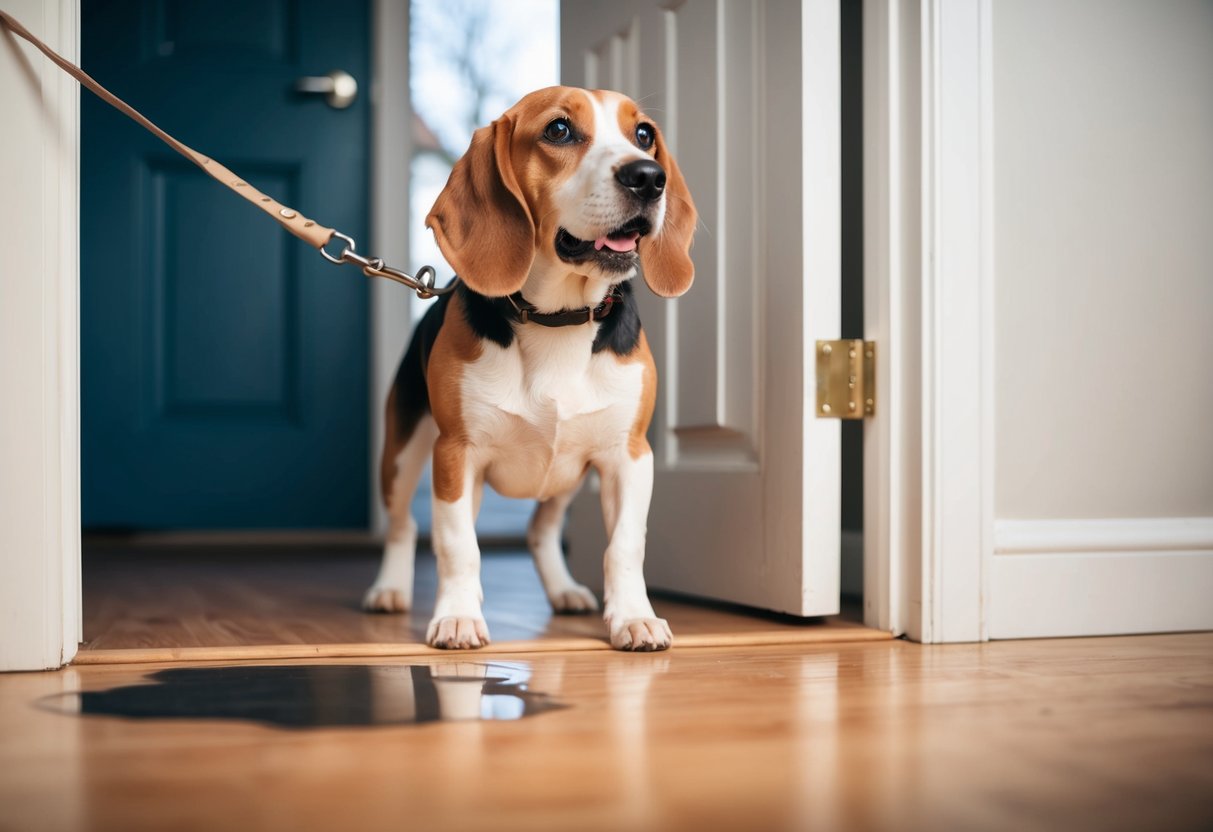
Beagles are known for their playful and curious nature, which can sometimes lead to accidents indoors. It’s important to recognize that factors like excitement, stress, or even a medical issue could be causing this behavior.
Identifying the triggers and addressing them can make all the difference in stopping the peeing problem.
With patience and the right approach, you can help your Beagle learn proper potty habits. Whether it’s increasing potty breaks, retraining them, or cleaning up accidents effectively, there are many strategies you can implement to create a more harmonious living environment.
Understanding Why Your Beagle Is Peeing in the House

When your beagle pees inside, it can be frustrating. Understanding the reasons behind this behavior is the first step in finding a solution. Focus on medical issues, behavioral causes, and factors related to marking territory or aging.
Identifying Medical Issues
Medical problems can lead to your beagle peeing in the house. One common issue is a Urinary Tract Infection (UTI). Symptoms include frequent urination and discomfort. If your beagle seems to be straining or crying while urinating, this could indicate a UTI or bladder stones.
Other health concerns to consider include:
- Incontinence: This may occur in older dogs or after spaying.
- Kidney disease: Increased thirst and urination can signal a problem here.
If you suspect a health issue, it’s best to consult your vet for proper diagnosis and treatment.
Behavioral Causes and Anxiety
Sometimes, the cause of your beagle’s indoor urination may be behavioral. Fear and anxiety can trigger this behavior, including separation anxiety. If your beagle feels scared or anxious when you leave the house, you may notice accidents indoors.
Excitement urination is another common issue. Your beagle might pee when greeting people or during play, which signifies they are overwhelmed but happy. Understanding your beagle’s behavior can help you address these situations more effectively.
Territorial Marking and Age-Related Factors
Beagles may also mark their territory by peeing inside. This behavior can stem from feeling threatened by outside dogs or changes in their environment. Neutering or spaying your beagle can help reduce marking behaviors.
As dogs age, they may experience age-related incontinence. Older beagles might have weaker bladders, making it harder to hold their urine. Keep in mind that this is a natural part of aging, and they may need more frequent potty breaks.
Effective House Training Strategies

To successfully train your beagle, focus on creating structured routines and using positive methods. This helps build good habits and reduces accidents in the house.
Establishing Routines and Consistent Potty Breaks
Creating a consistent potty schedule is crucial for your beagle. Take them out first thing in the morning and after meals. Choose specific times every day so your dog knows when to expect breaks.
Make sure to take your beagle outside after playtime and before bedtime, too. This routine reinforces good habits. Always lead your beagle to the same spot outside to do their business.
After they go, offer praise and treats to encourage this behavior. Consistency will help your pet learn that outside is the right place for potty breaks, reducing the chance of inappropriate urination.
Crate Training and Positive Reinforcement
Crate training can be an effective tool for house training. The crate acts as a safe space and helps control their environment when you cannot supervise.
Ensure the crate is comfortable and not too large. This prevents your beagle from using one corner as a restroom.
Gradually introduce your pet to the crate, using treats and praise to create a positive association.
During potty training, take your beagle outside frequently. If an accident happens, clean it up without punishment. Instead, focus on reinforcing good behavior with positive reinforcement. Celebrate their successes and be patient as they learn the right habits.
Maintaining a Pee-Free Home

Keeping your home free from dog urine is essential for both your comfort and your pet’s well-being. Addressing accidents and preventing future incidents go hand in hand. Here are some important steps to maintain a pee-free environment.
Cleaning Up After Accidents
When your beagle has an accident, immediate clean-up is crucial to prevent lingering odors and markings. Use an enzymatic cleaner, which breaks down the urine compounds that cause smells. This type of cleaner is more effective than regular cleaners because it eliminates the scent that might attract your dog back to the same spot.
- Blot the Area: Use paper towels to soak up as much urine as possible. Always blot instead of rubbing to avoid spreading it further.
- Apply Cleaner: Follow instructions for the enzymatic cleaner. Spray it generously on the affected area.
- Let it Sit: Allow the cleaner to sit for the recommended time.
- Rinse and Dry: Rinse with water and blot dry once more.
Thorough clean-up reduces the chances of your beagle engaging in territorial marking or repeating mistakes.
Preventing Future Incidents
To stop your beagle from peeing in the house, you need to identify the cause of the behavior. Some dogs may pee indoors due to excitement or stress, while others might mark their territory.
- Routine Potty Breaks: Establish a consistent schedule for bathroom breaks. Take your dog outside regularly, especially after meals or playtime.
- Positive Reinforcement: Praise your beagle and offer treats when they pee outside. This builds a positive association with going outdoors.
- Limit Access: Use baby gates to restrict areas where your dog can roam until they are fully trained.
- Monitor Signs: Look for signs of excitement urination or anxiety. Understanding your dog’s behavior can help prevent accidents.


