
Badgers are intriguing creatures that play a significant role in the UK’s biodiversity. You may have heard mixed opinions about them, especially when it comes to their behavior in gardens or rural areas. Some consider badgers pests due to their digging and foraging habits, but they are actually protected wildlife that contributes to a healthy ecosystem.
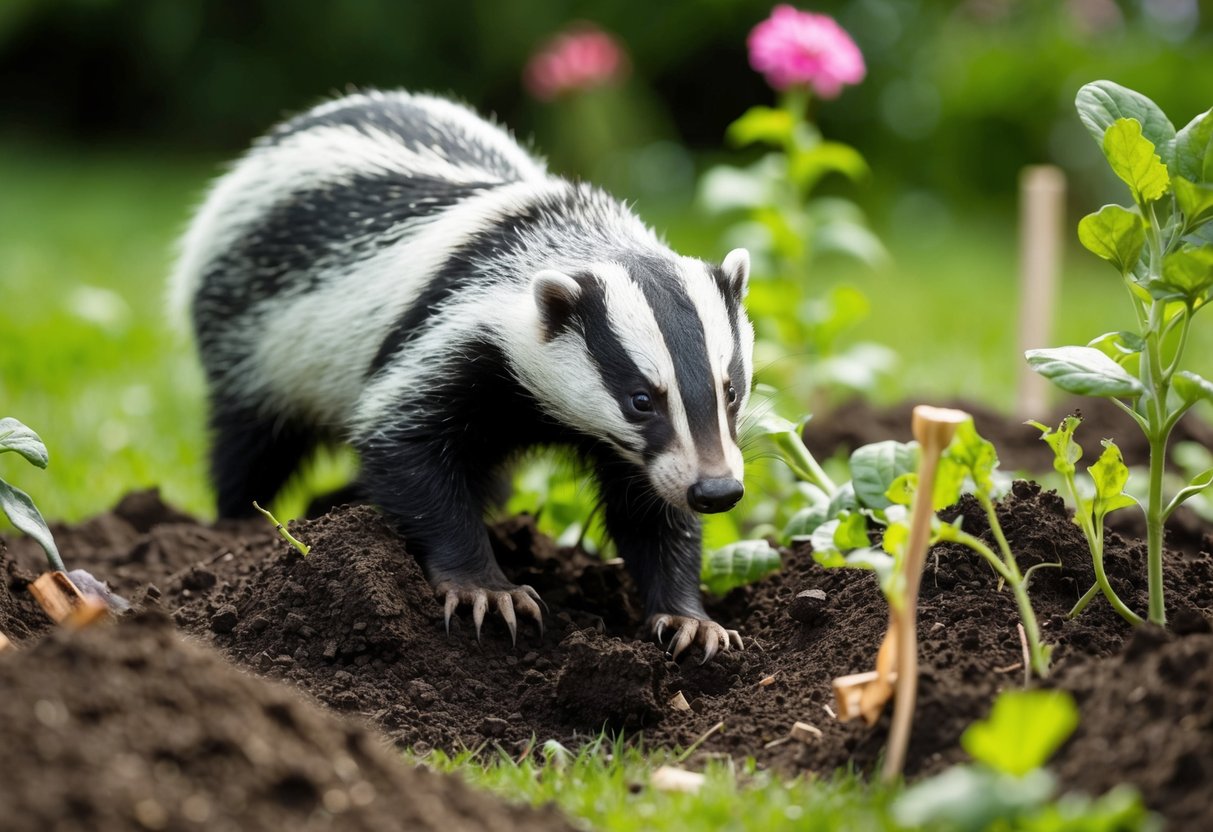
Understanding badgers can help you appreciate their importance. They are not just adorable animals; they are also our largest remaining land predators and have adapted well to different environments, including suburban areas. Their presence can be beneficial, promoting a balanced ecosystem by controlling insects and helping with plant growth.
However, it’s essential to recognize their legal protections in the UK. Due to their declining numbers and the threats they face, badgers are safeguarded by strict laws. This means that even if they cause minor disturbances in gardens, you cannot harm or relocate them without facing legal consequences.
Understanding Badgers in the UK
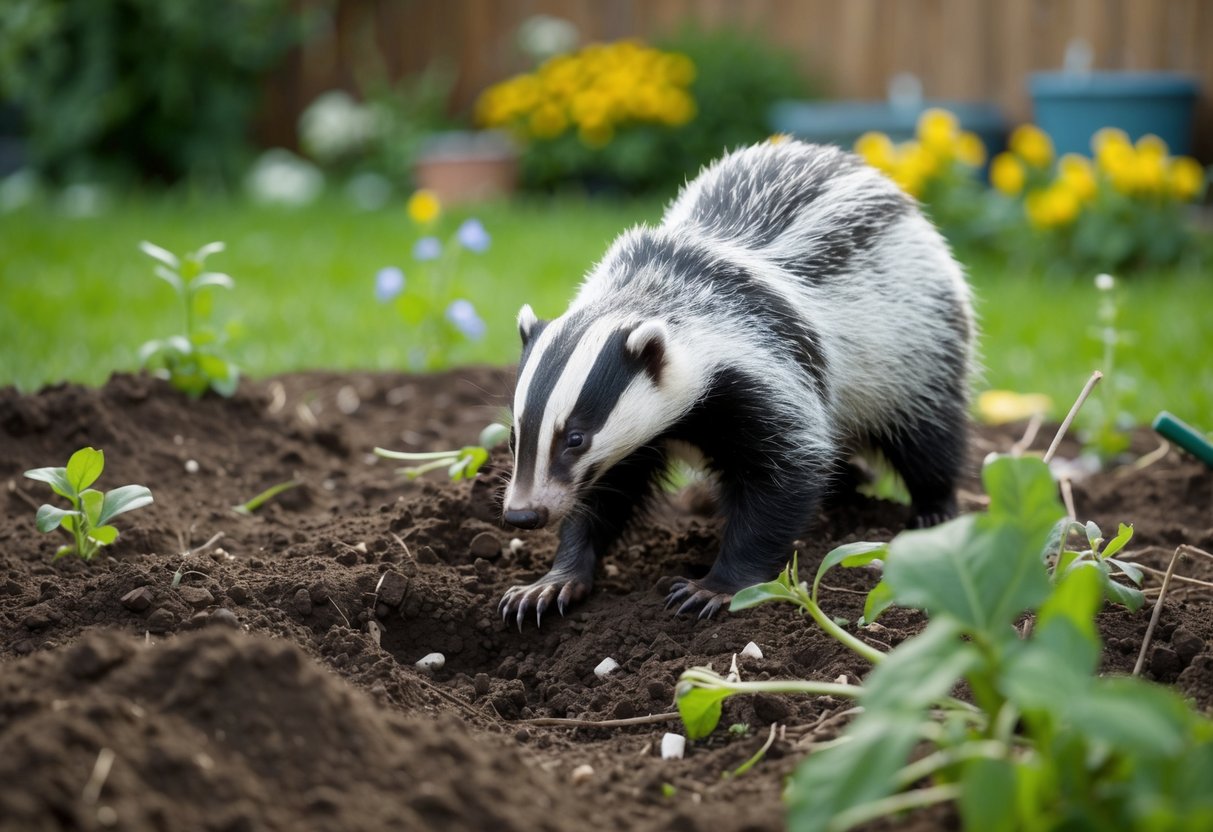
Badgers, known scientifically as Meles meles, play an important role in the UK’s ecosystem. These nocturnal creatures are both fascinating and often misunderstood. They are part of the native wildlife, with unique habits and physical traits that contribute to their role in nature.
Badgers as Native Wildlife
Badgers are a cherished part of the British countryside. They are nocturnal, which means you are more likely to see them active at night. These animals live in social groups called clans, which can consist of several individuals.
Badgers create homes known as setts, which they dig underground. A sett can have multiple entrances and may be used by the same family for years. You might spot signs of badger activity by looking for disturbed soil or paths worn by their movement through their territory.
Physical Characteristics and Behaviour
The look of a badger is quite distinctive. They have black and white stripes on their faces, giving them a unique, recognizable appearance. Their fur is primarily grey, and they possess strong limbs suited for digging.
Badgers are generally shy but can be fierce when threatened. They are known for being omnivorous, which means their diet includes both plant and animal matter. This diet can vary between seasons and includes items like fruits, nuts, seeds, and a variety of insects. You might find them foraging for earthworms, which are a favorite food, especially after rain.
Habitat and Diet
Badgers thrive in a range of habitats. They prefer areas with mixed woodlands, grasslands, and scrub. This allows them easy access to their food sources while providing shelter.
Their diet is diverse. Badgers are excellent foragers, often searching for earthworms, which make up a significant part of their meals. Along with worms, they also eat fruits, nuts, and seeds when available. This diet helps maintain ecological balance by controlling pest populations, benefitting both farmers and gardeners.
Badgers and Human Interactions

Badgers interact with humans in various ways, particularly concerning their habitats and the impact they have on gardens and farms. Understanding these interactions can help you find a balance between enjoying wildlife and protecting your cultivated spaces.
Badger Setts and Gardens
If you have a garden, you might encounter badger setts, which are their burrows. These setts can sometimes be found under sheds or near fences. Badgers are generally not destructive, but their presence may lead to disturbances.
You could notice some digging or slight alterations to your soil. They may also pass through looking for food, including fruits and vegetables. Keeping your garden tidy can help reduce unwanted visits. Installing fences or using electric fences can also discourage badgers from entering your garden.
Agricultural Impact and Food Sources
Badgers can have a mixed impact on agriculture. They are known to feed on crops, especially fruits and vegetables, which might cause concern for farmers. However, they also help control pests in fields by eating insects and small rodents.
To protect your crops, consider proactive measures like fencing them off or using pest control methods that are safe and legal. Be aware that badgers are attracted to overripe or fallen fruit. Keeping your harvest picked can reduce their visits.
Legal Protection and the Badger Trust
In the UK, badgers are legally protected under the Protection of Badgers Act 1992. This law makes it illegal to harm them or disturb their setts without a license. This protection is essential for conserving their population.
The Badger Trust advocates for the welfare of badgers and promotes ways for humans and badgers to coexist. By understanding these laws, you can better appreciate the importance of protecting these creatures while finding solutions for any potential conflicts, especially in gardens and agricultural settings.
Controversies and Conservation Efforts
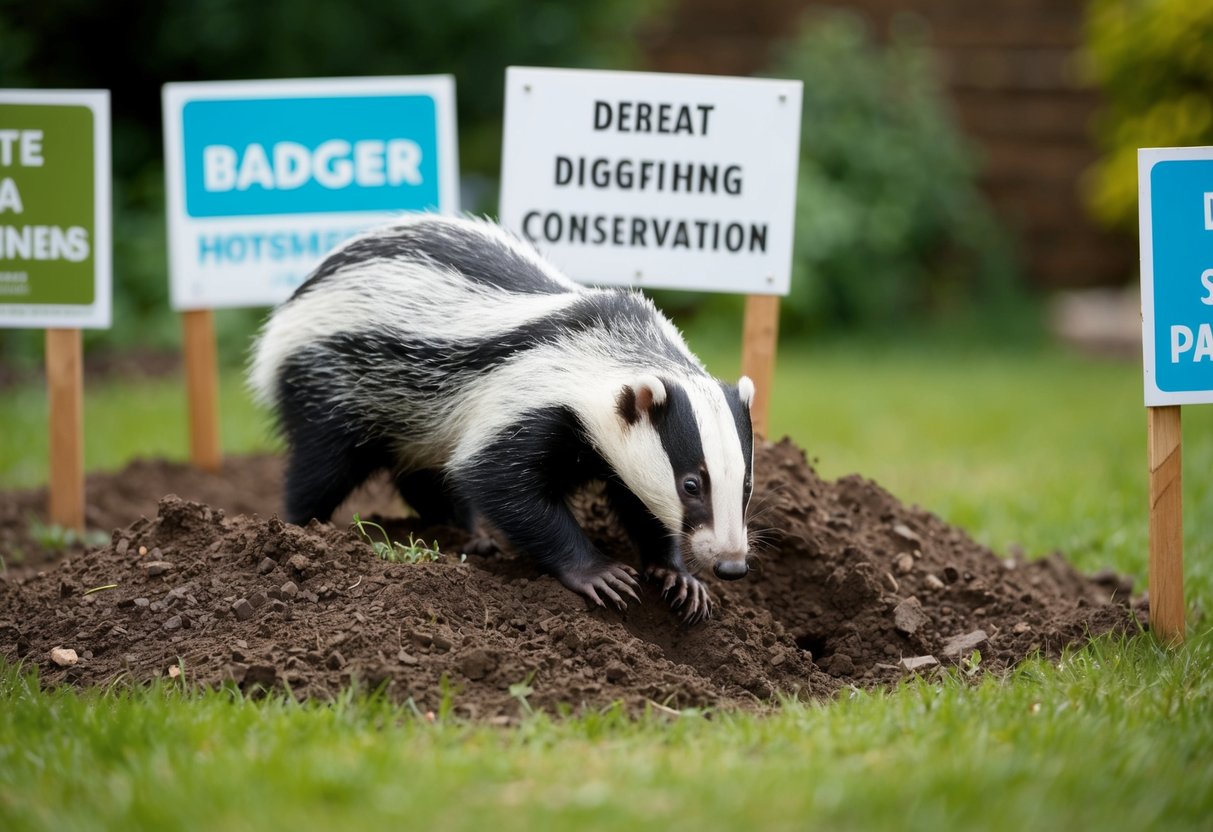
The debate around badgers in the UK is complex and often heated. You’ll find strong opinions on issues like culling and conservation. Understanding both sides can help you see why badgers matter to many people.
Badger Culling Debates
The badger cull has sparked significant debates in the UK. Many farmers view badgers as pests because they are believed to spread bovine tuberculosis (bTB) to cattle. In response, the government initiated controlled culling to reduce badger numbers and manage this disease.
Yet, numerous conservation groups argue that culling isn’t a long-term solution. Research suggests that killing badgers may not effectively decrease bTB rates in cattle. Activists emphasize the need for better herd management and vaccination instead. Public opinion is often split, with many people opposing the cull due to ethical concerns and a love for wildlife.
Conservation and Public Perception
Conservation efforts play a vital role in the future of badgers. The Protection of Badgers Act 1992 makes it illegal to harm or harass badgers, ensuring that it protects their biodiversity. You may hear about projects run by wildlife rescue centres focused on recovering injured or orphaned badgers.
Public perception varies widely. Some see badgers as a critical part of the ecosystem, while others view them as a threat to farming. These contrasting views often collide, especially in rural areas. Farmers and wildlife lovers may find themselves at odds. Engaging in conversations about the importance of wildlife can help bridge these divides.


