
Ever caught a squirrel nibbling at grass or burrowing into a pile of hay? It’s a funny sight, but don’t be fooled—timothy hay isn’t a staple in their usual menu. You can offer timothy hay as a rare treat, but it shouldn’t replace their main diet of nuts, seeds, fruits, and other wild foods.

Sometimes, timothy hay can help with digestion or keep their teeth in check. Other times, it just doesn’t cut it nutritionally. Wild squirrels and pet squirrels don’t always react the same way to hay, either.
Want to try hay with your squirrel? I’ll share some tips for doing it safely, and when it’s just better to stick with nuts or fruit.
Do Squirrels Eat Timothy Hay?
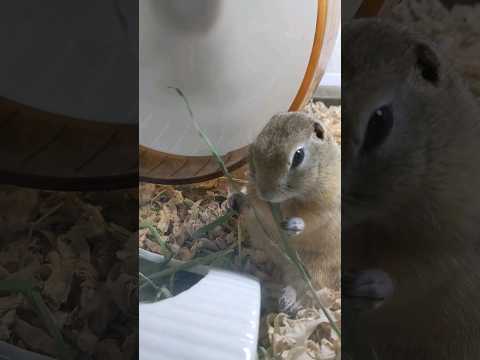
Timothy hay gives squirrels fiber and nesting stuff, but it’s not something wild squirrels eat much. For pet or rehab squirrels, you’ll want to know when hay is helpful and when it might leave them missing nutrients.
Natural Diet of Squirrels
Most squirrels munch on nuts, seeds, fruits, buds, and sometimes insects or eggs. These foods pack the fats, proteins, and sugars they need for energy and storing up for winter.
Wild tree squirrels—like eastern grays and fox squirrels—spend their time hunting for calorie-rich snacks like acorns, walnuts, and sunflower seeds.
Hay and grasses? They barely touch them. If you spot a wild squirrel with hay, it’s probably chewing or building a nest, not eating for nutrition.
If you care for a squirrel indoors or in rehab, ask your vet if a bit of timothy hay will help with fiber. They’ll know if it fits their feeding plan.
Timothy Hay Versus Other Foods
Timothy hay is full of fiber but low in fat. That’s great for digestion and keeping teeth worn down, especially for small herbivores.
But compared to nuts and seeds, it just doesn’t have enough fat, protein, or calories for a busy squirrel. It’s not a good swap for their main food.
If you’ve got a pet squirrel, use timothy hay as a little extra. Offer tiny pieces along with nuts, safe fruits, and a mix a wildlife rehabber recommends. Don’t let hay fill them up so much that they skip the good stuff.
Observing Squirrels with Timothy Hay
Watch what squirrels do with timothy hay—they’ll usually chew it or drag it off to line their nests. You might see them gnawing hay to wear down their teeth or hauling it into their dreys for warmth.
They hardly ever eat big amounts of hay for calories. If your squirrel starts eating lots of hay, keep an eye on its weight and energy.
If you notice weight loss, dull fur, or low activity, it might not be getting enough nutrients. For wild squirrels, skip piling up hay—too much can attract pests or trap little ones. Instead, set out small, clean bundles if you want to help with nesting.
You can check out more about timothy hay for squirrels at PetShun and BirdTipper.
Potential Benefits and Considerations for Feeding Timothy Hay to Squirrels
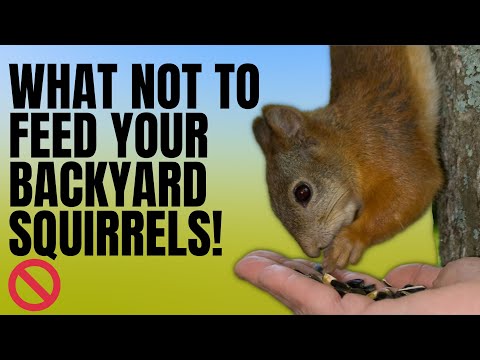
Timothy hay adds fiber and gives squirrels something to chew, but it doesn’t have the fats or proteins they need. Try it in small amounts for enrichment or nesting, not as a main food.
Nutritional Value and Possible Health Benefits
Timothy hay is loaded with insoluble fiber, but it’s pretty low on protein, fat, vitamins, and minerals. That fiber might help if your squirrel eats too many fatty nuts and needs a little digestive help.
A bit of hay could ease mild constipation or help prevent overeating by adding bulk without extra calories. Chewing hay keeps their teeth in check and gives them something to do, especially if they’re bored.
Use hay as a tiny part of their diet, but focus on nuts, seeds, fresh veggies, and some lean protein. If you’re caring for a pet or a rehab squirrel, let hay be an occasional roughage or nest liner. Don’t count on it for calcium, vitamin D, or the calories they burn running around.
Risks and Digestive Concerns
Hay isn’t a natural staple for tree squirrels and can upset their stomach if you give too much. Too much fiber might cause diarrhea, bloating, or even keep them from eating the foods with real nutrition.
Mold, dust, and pesticides in hay can be serious problems. Moldy hay can make squirrels sick—always check for dampness, weird smells, or any mold before offering it.
Young, injured, or underweight squirrels need fatty, protein-rich food. Giving them timothy hay risks leaving them malnourished. Watch their weight, droppings, and how active they are after you try hay.
Guidelines for Introducing Timothy Hay
Start small—just toss in a pinch or maybe a thin handful once or twice a week. Keep an eye on the droppings for a day or two; you want to see those normal, firm pellets.
Always pick fresh timothy hay that’s free of dust and pesticides. Store it somewhere dry and off the ground to keep mold away.
Offer hay with your squirrel’s regular food, like nuts, seeds, chopped veggies, and the occasional bit of protein. Don’t swap out their main food for hay.
Use hay mostly for nesting or just to give them something interesting. If you see the squirrel building a nest with it, swap out any soiled hay pretty quickly.
If you’re thinking about adding hay to the diet of an orphaned, sick, or captive squirrel, definitely check in with a wildlife rehabilitator or an exotic-educated vet first.


