
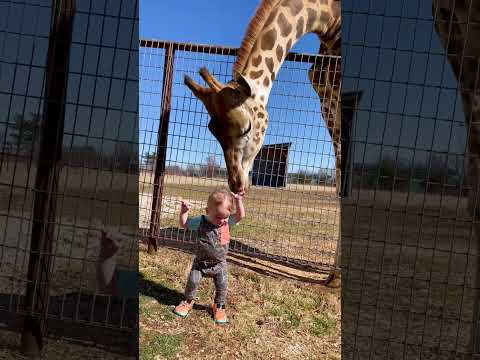
You can sometimes feed and touch a giraffe if staff supervise, but don’t expect to pet one like you would a dog. At zoos or safari parks that offer close encounters, handlers might let you gently touch a giraffe’s neck or nose—if the animal seems calm and the staff stays in control.

Handlers set rules for a reason. They know which parts of a giraffe you can safely touch.
Wild or privately kept giraffes just aren’t the same as those you meet at a feeding station. There are limits and risks to close contact, and keeping a giraffe as a pet is a whole different story.
Would a Giraffe Let You Pet It?

Giraffes act curious, cautious, and honestly, they’re incredibly strong. They might let someone they trust touch them, but that trust takes months—sometimes years—of careful training and handling.
Giraffe Temperament and Behavior Around Humans
Giraffes live in herds and follow social rules, showing their moods through body language. If you see calm neck movements, relaxed ears, or slow chewing, the giraffe probably feels safe.
But if it starts swinging its head quickly, pins its ears back, or stomps, that’s a clear sign it’s stressed or annoyed. In zoos and sanctuaries, keepers build trust by feeding them, standing in the same spot, and using familiar voices.
Visitors don’t have that bond. A wild or unfamiliar giraffe usually keeps its distance or walks away if you get too close.
Giraffe Reactions to Touch and Petting
Some giraffes seem to enjoy gentle strokes on the neck or shoulder from people they know. Their skin feels thick, and some patches are more sensitive than others.
Light, slow touches on the neck usually go over better than touching their head or legs. Sometimes, they’ll reach out with that long tongue to check you out—it feels more like a lick than a pet.
If you surprise them or touch too suddenly, they might pull back, nip, or even swat with a hoof. A playful nudge from a giraffe can knock you off your feet, so it’s best not to push your luck.
Is It Safe to Pet a Giraffe?
Petting a giraffe only feels safe when staff are around and the animal acts calm. Many places offer guided feed-and-pet sessions where keepers control everything.
Always follow their instructions: stand where they tell you, keep your hands flat, and move slowly. Never try to pet a giraffe in the wild or without expert supervision.
Laws and facility rules often ban public contact for safety and animal welfare. If you want a close experience, look for accredited parks that train giraffes for safe, limited interaction. Trying to keep a giraffe as a pet? That’s a whole other can of worms. For more details, check out this guide on whether you can own a pet giraffe.
The Realities of Keeping a Giraffe as a Pet
If you tried to keep a giraffe, you’d run into legal hurdles, massive housing needs, long-term care, and some truly wild costs. Each part of this comes with specific actions, permits, and a lot of ongoing work.
Legal and Ethical Considerations
Before you even think about owning a giraffe, check your local and national laws. Many places require permits or flat-out ban private giraffe ownership.
Some states let licensed facilities keep giraffes, but they usually restrict this to zoos or conservation groups. You’d need to apply for exotic-animal permits, pass inspections, and follow transport rules.
On the ethical side, taking a giraffe from the wild messes with conservation. Giraffe numbers have dropped in some parts of Africa, so taking one for a pet can hurt wild herds and pull money away from real conservation. Supporting accredited sanctuaries or zoos does more good for giraffes.
Habitat and Care Requirements
Giraffes need huge, secure enclosures and lots of space to roam. You’d have to build fences high and strong enough to keep them safe.
Indoors, their shelter needs ceilings way over 4–5 meters and heat in cold weather. That’s to keep their joints and necks healthy.
Their diet isn’t simple, either. They need fresh leaves, branches, and a high-fiber pellet mix. An adult giraffe can eat dozens of kilos of browse every day.
You must provide clean water and dust-free bedding. Daily cleaning, enrichment, and time with other giraffes are all part of the job.
Lifespan and Health of a Giraffe
With good care, giraffes can live 20–25 years in captivity. You’ll need regular vet visits from someone who knows big hoofed animals.
Expect checks for foot, joint, and dental problems, plus vaccinations just like zoos do. Emergency plans are a must: you’ll need a hospital crate, a vet trained in tranquilizing giraffes, and equipment for large-animal anesthesia.
A quarantine area for new or sick giraffes is also essential. If you can’t provide all this, keeping a giraffe just isn’t realistic.
Financial and Practical Challenges
Let’s start with the basics: just buying a giraffe is expensive, and so is building the right kind of enclosure. You’ll probably pay tens of thousands just for the animal, and then there’s transport, insurance, and all the specialized construction—those costs pile up fast.
Feeding and watering a giraffe isn’t cheap, either. Their daily browse needs mean your monthly bills will stay high.
Staffing turns into a whole other challenge. You’ll need keepers who know what they’re doing, whether it’s feeding, cleaning, or even some behavioral training.
Finding a veterinarian who works with large animals can get tricky, and their fees? Not exactly budget-friendly, especially if you live far from a city.
And then there’s the issue of public safety. If a giraffe escapes or someone gets hurt, you could face legal trouble or complaints from neighbors.
Honestly, you have to ask yourself—can you really keep up with these costs and responsibilities, possibly for decades?


