
If you’ve ever watched a raccoon rummaging through your trash or seen one in a park, you might have wondered if these curious creatures could be domesticated like dogs or cats. Many people find raccoons cute and fascinating due to their playful nature and intelligence. However, raccoons are wild animals, and you can’t domesticate them.
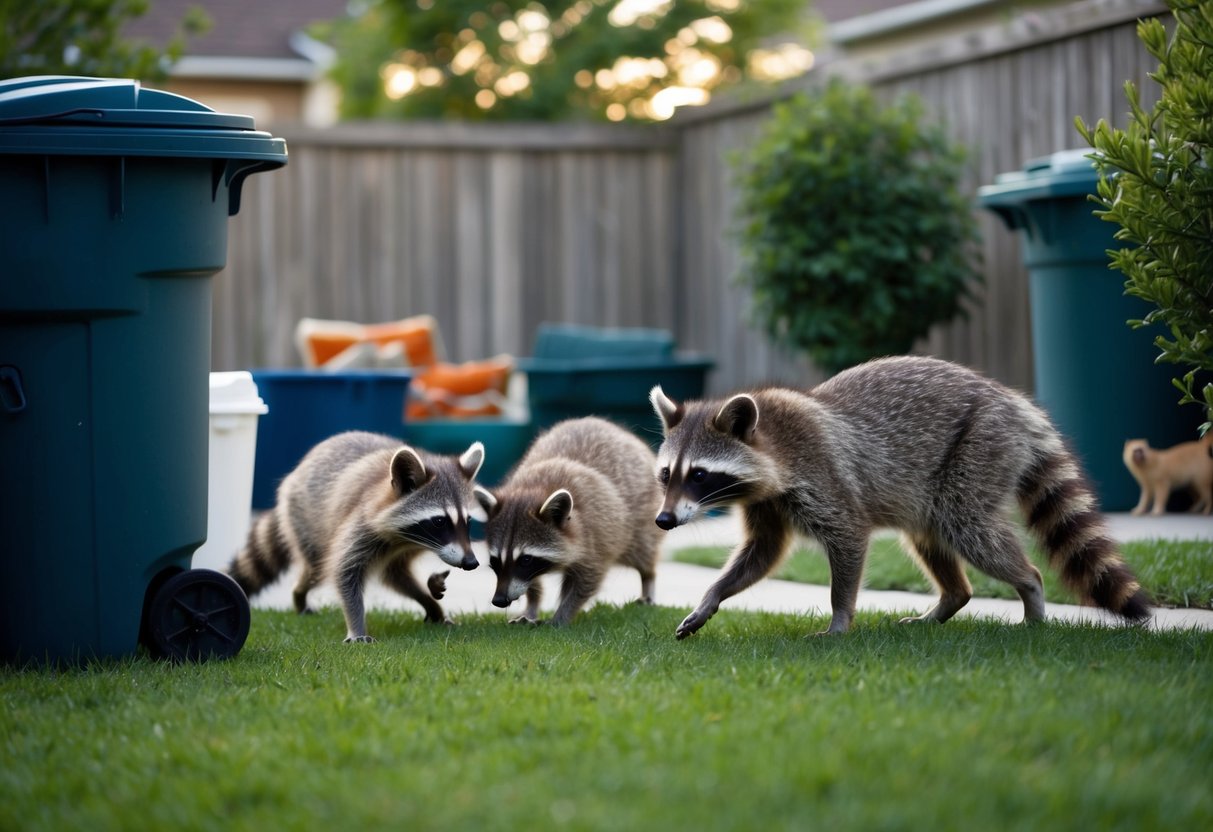
While some might dream of having a raccoon as a pet, these animals have behaviors that are not suitable for indoor life. Raccoons can be independent and, at times, aggressive, making it challenging to bond with them like you would with a domesticated pet. Attempts to train or tame raccoons have often led to trouble, as their wild instincts typically take over.
You may find that learning about raccoons’ unique characteristics and behaviors can be just as rewarding as having one as a pet. Exploring the reasons why these animals resist domestication might deepen your appreciation for their wild nature and the role they play in our ecosystem.
Understanding Raccoon Behavior and Domestication

When considering the domestication of raccoons, it’s important to look at their wild instincts and remarkable intelligence. These traits define their behavior and play a crucial role in their interactions with humans. Let’s explore these aspects further.
Wild Instincts and Intelligence
Raccoons are naturally curious and intelligent animals. They have strong wild instincts that drive their behavior. In the wild, they are foragers, relying on their problem-solving skills to find food. This natural inclination makes them adept at exploring and manipulating their environment.
Their intelligence means they can learn quickly and adapt to new situations, which is fascinating for potential pet owners. However, these same traits can lead to challenges when trying to domesticate them. Raccoons may cause property damage or exhibit aggressive behavior if they feel threatened or bored. Understanding these instincts is vital before considering them as companions.
The History of Domesticating Animals
Domesticating animals is a long process that often takes generations. From dogs to cattle, successful domestication typically involves breeding for specific traits. Raccoons, while interesting, are not traditionally seen as suitable pets due to their wild nature.
Historically, animals that have been domesticated share traits like social behavior and predictability. Raccoons tend to be more independent and less predictable. Their behavior can vary greatly from one individual to another, complicating any effort to establish a bond with humans. This unpredictability makes it tough to envision a future where raccoons become widely accepted as domesticated pets.
Health and Safety Concerns in Domestication
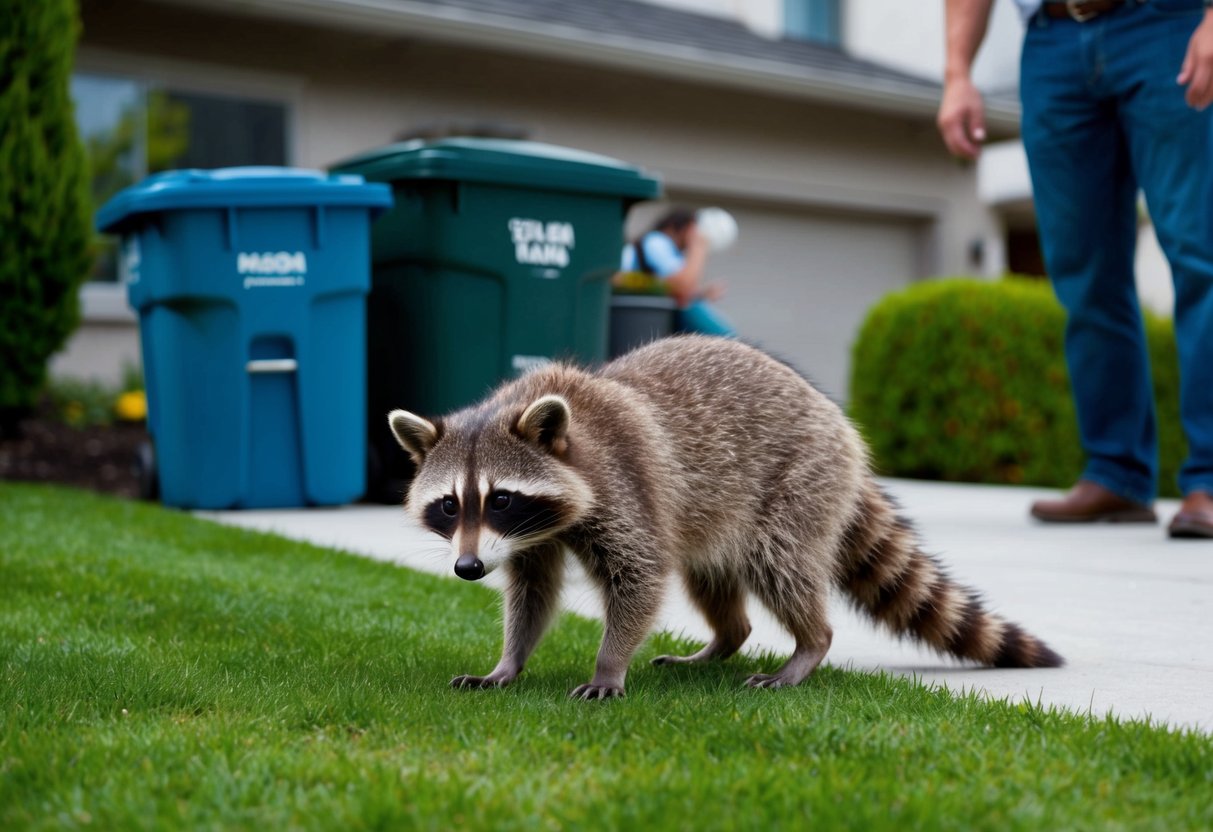
Owning a raccoon might seem exciting, but it comes with serious health and safety concerns. You need to be aware of the potential risks to both you and your pets. These include exposure to rabies, other diseases, and parasites that raccoons can carry.
Rabies and Disease Risks
Raccoons are known carriers of rabies, which is a viral disease that affects the nervous system. If a raccoon bites you or your pet, it can lead to serious health issues. Symptoms of rabid behavior include:
- Staggered walking
- Lack of response to sounds
- Erratic movement
Beyond rabies, raccoons can transmit other diseases, such as distemper and parvovirus. Protecting yourself and your pets from these diseases requires careful monitoring and understanding of the risks involved.
Parasites and Veterinary Care
Raccoons can harbor various parasites that pose risks to your health. These include roundworms, which can infect both humans and pets. Symptoms of a roundworm infection may include:
- Abdominal pain
- Diarrhea
- Fatigue
Veterinary care is crucial when keeping a raccoon. Regular check-ups can help identify and treat infections early. Always consult a veterinarian with experience in exotic pets to ensure proper care for your raccoon. Being informed and vigilant can help address these health concerns effectively.
The Ethics and Legality of Owning Raccoons as Pets
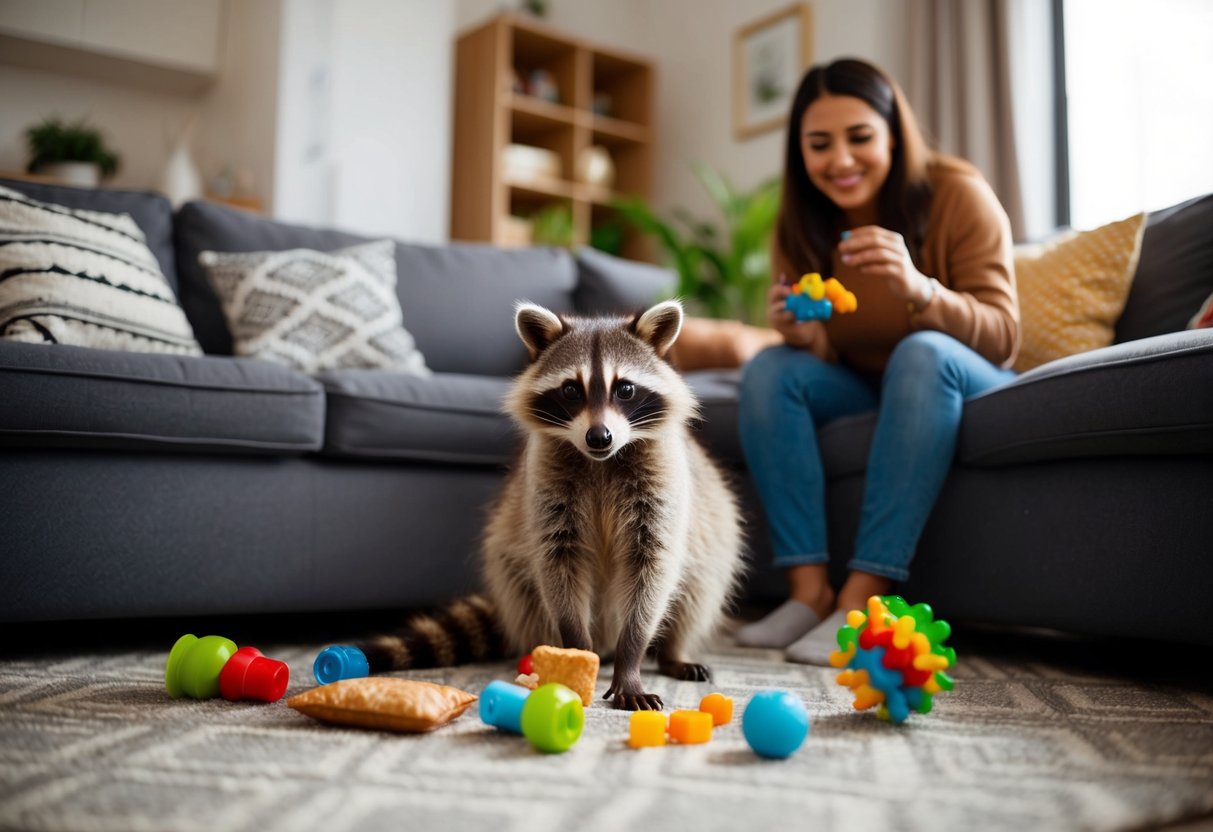
Owning a raccoon raises important questions about ethics and regulations. You need to consider how domestication affects them, the laws that apply, and the impact on wildlife conservation.
Ethical Considerations of Domestication
When thinking about owning a raccoon, you must consider their welfare. Raccoons are wild animals, not traditional pets. They have specific needs for socialization, space, and mental stimulation.
Keeping a raccoon may cause stress if it’s not raised in its natural environment. You should also think about how your desire for a pet might affect their natural behaviors. Wild animals can struggle to adapt to home life, leading to issues for both you and the raccoon.
Regulations Surrounding Exotic Pets
Laws about owning raccoons vary greatly from place to place. In many states, it’s illegal to keep them as pets. Some require permits, while others have no specific laws at all.
Before bringing a raccoon home, you should check local regulations. Failing to comply can lead to fines or legal trouble. It’s essential to respect these rules, as they are often in place to protect both people and wildlife.
Wildlife Conservation and Ethical Ownership
Owning a raccoon can impact wildlife conservation efforts. When people keep raccoons, it can encourage the perception that wild animals are suitable for domestication. This mindset can lead to increased demand for exotic pets.
Wildlife populations can suffer due to habitat loss and illegal capture. Therefore, it’s essential to prioritize their natural habitats and well-being. Understanding the responsibilities that come with owning a wild animal is crucial. This ensures you’re not contributing to the decline of their species or the disruption of natural ecosystems.
Practical Challenges and Considerations
Domestication of raccoons comes with various practical challenges. You need to think about their behavior, space needs, and whether they can serve as helper animals. These factors play a big role in deciding if a raccoon can fit into your home life.
Dealing with Mischievous and Aggressive Behavior
Raccoons are known for their cleverness. This can lead to mischievous behavior, like opening cabinets and getting into food. If you adopt a pet raccoon, you must secure your home to prevent chaos.
Some raccoons can also show aggressive behaviors, especially if they feel threatened. It’s important to train them from a young age. You’ll need to establish boundaries and stay patient. Understanding their body language helps in avoiding conflicts and ensures a safer environment for both you and your pet.
Climbing and Space Requirements
Raccoons love to climb, so you need to provide areas for climbing, like shelves or trees if you have a yard. You might consider buying cat trees for indoor fun.
If living indoors, keep in mind that raccoons are naturally curious. This means you must provide a safe, secure environment. A large and enclosed area is ideal for them to roam without getting into trouble.
Potential as Service Animals
Raccoons are playful and intelligent, but they are not typical service animals. Their energy and unpredictability may make training challenging. Unlike dogs, raccoons haven’t been bred for this purpose.
With proper training, some people have found them to provide companionship. If you look for a service animal, it’s crucial to weigh the pros and cons carefully.
Consider if a pet raccoon truly meets your needs or if a more traditional service animal would be a better fit.


