
Chipmunks can seem to vanish overnight, and that usually has a simple explanation.
When you wonder why chipmunks suddenly disappear, the answer is often tied to seasons, food supply, predators, or changes in where they feel safe.
Most chipmunk disappearance is temporary. Chipmunks spend a lot of time underground and become much less visible when weather cools or conditions change.
That hidden routine can make it look like they left your yard for good, even when they are still nearby.

Seasonal Hiding Is Usually The Main Reason

You usually notice chipmunks most in warm months, then far less as temperatures fall.
For an eastern chipmunk, seasonal retreat is a normal part of life, not a sign that they are gone for good.
Do Chipmunks Hibernate Or Enter Torpor
Chipmunks do not rely on a deep, bear-like hibernation.
They enter torpor, a lighter state of slowed activity that lets them conserve energy while staying in their burrows.
When Eastern Chipmunks Go Underground
Eastern chipmunks gather food in fall and spend more time below ground as cold weather arrives.
They seal themselves in burrows, wake occasionally to eat stored food, and stay hidden until spring.
Why You See Them Less In Fall And Winter
In fall and winter, chipmunks spend more time inside tunnels, foraging less above ground and avoiding freezing conditions.
That seasonal pattern can make them seem to disappear suddenly, especially after the first cold snap.
Changes In Food, Shelter, And Territory
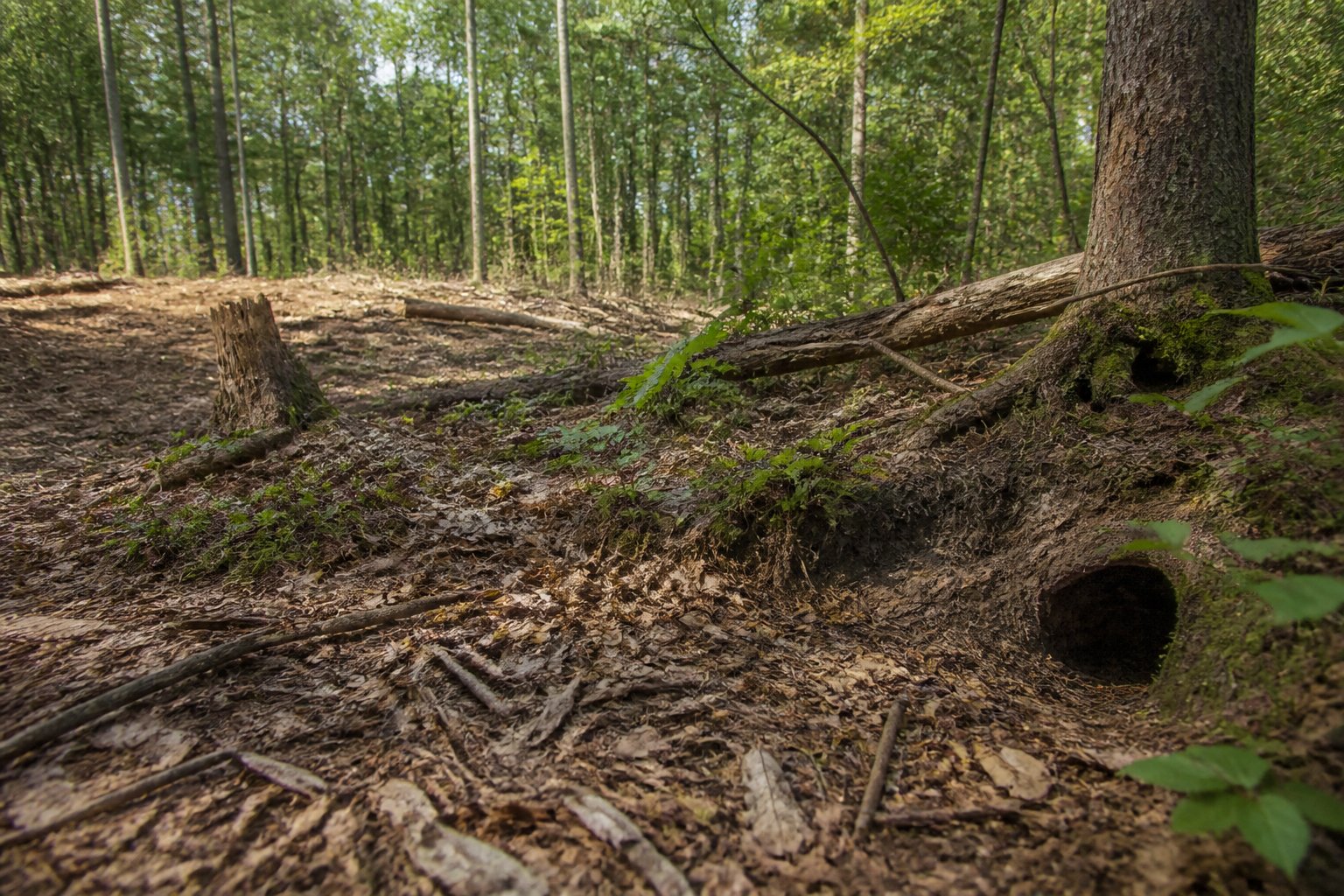
Food and shelter shape how often you spot chipmunks.
When nuts are scarce, cover changes, or young animals move out, your local chipmunk habitat can feel much quieter.
Poor Nut And Seed Years Reduce Sightings
Chipmunks depend on acorns, seeds, and other plant foods, so a weak mast year can mean fewer animals moving around your yard.
When the food supply drops, they may travel less visibly or leave the area in search of better patches.
Young Chipmunks May Disperse To New Areas
Young chipmunks do not stay put forever.
As they mature, they often move to establish their own territory, which can make an active yard seem empty for a while.
Burrows, Cover, And Chipmunk Habitat Loss
Chipmunks need burrows, leaf litter, brush, rock piles, and other cover to feel secure.
Human development, cleanup, or heavy yard changes can reduce chipmunk habitat and make them harder to spot.
Predators, Weather, And Other Local Pressures

Not every disappearance is about the season.
Local pressure from predators, storms, and natural population swings can change how many chipmunks survive or feel safe enough to appear.
Cats, Owls, Snakes, And Other Predators
Cats, owls, snakes, raccoons, and similar predators can all reduce chipmunk activity.
If predator pressure rises in your area, chipmunks may stay underground more often or decline in number.
Harsh Weather And Winter Survival
Sudden cold, heavy snow, or repeated freeze-thaw cycles can push chipmunks underground earlier than expected.
Rough weather also makes food harder to find, which can lower survival and reduce sightings the next season.
Disease, Parasites, And Population Fluctuations
Like many small mammals, chipmunks can experience natural ups and downs from disease and parasites.
Those shifts are usually local and temporary, so a quiet yard one year may become busy again the next.
What Their Absence Means In Your Yard

A missing chipmunk does not always mean a true decline.
You may still have animals nearby, just staying out of sight, using hidden burrows, or changing how they move through your yard.
Signs They Are Still Nearby But Out Of Sight
Fresh burrow openings, half-eaten seeds, dug-up soil, and sudden rustling in leaf litter all suggest chipmunks are still around.
You may also see quick flashes of movement near brush piles, foundations, or stone edges.
When To Suspect A Real Local Decline
If you notice no burrow activity, no food storage signs, and no sightings across multiple seasons, that may point to a real local drop.
A long-term change in landscaping, predator activity, or food supply is often the reason.
How Feeding Chipmunks Can Affect Their Behavior
Feeding chipmunks makes them bolder and more likely to return to one spot. This changes how and when you see them.
Feeding can attract other animals and concentrate activity in a small area. Chipmunks may seem more visible for a while and then disappear when the food stops.


