
Raccoons are generally curious and cautious creatures, but there are times when they may bite. These animals often bite when they feel threatened or cornered, especially while searching for food sources. If you encounter a raccoon rummaging through trash or looking for a meal, it may act defensively if it feels you are too close.

Another reason a raccoon might bite is if it has rabies or another illness, making it more aggressive. Wild animals like raccoons can sometimes forget their natural survival instincts when drawn to human food, leading to situations where they might act unpredictably. Understanding the behavior of these animals can help you avoid dangerous encounters and appreciate their unique role in the environment.
Understanding Raccoon Behavior
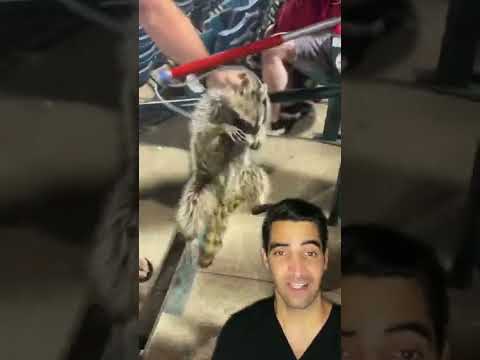
Recognizing the behavior of raccoons is important for your safety and for interacting with these wild animals. Their actions often stem from specific reasons that you can learn about to minimize risks.
Reasons for Aggression
Raccoons may bite if they feel threatened or cornered. They can display defensive behavior when they perceive danger near their territory. If you approach a raccoon that seems sick or feels trapped, it may react aggressively to protect itself.
Food-related aggression is another reason for bites. Raccoons are opportunistic feeders and will fight to keep their food sources. If they think you are a threat to their meal or habitat, they may lash out to defend it.
Habitat and Food Sources
Raccoons thrive in various environments, including forests, urban areas, and marshes. They are highly adaptable, meaning they can find food almost anywhere. These wild animals often scavenge in trash cans, gardens, and campgrounds.
Their diet consists of fruits, insects, and small animals. Knowledge of their food sources can help you understand how to avoid encounters. Recognizing that they search for food at night can also help you manage your outdoor activities better.
Health Risks Associated with Raccoon Bites

Getting bitten by a raccoon can lead to several health risks that you should take seriously. The two main concerns are the potential for rabies and other infections. Understanding these risks can help you respond appropriately if you ever find yourself in this situation.
Risk of Rabies
Rabies is one of the most serious risks associated with a raccoon bite. Raccoons are common carriers of the rabies virus, which is transmitted through saliva. If you get bitten, it’s crucial to seek medical attention immediately.
Early symptoms of rabies can include fever, headache, and weakness. If left untreated, rabies can affect your central nervous system and is nearly always fatal. To prevent rabies, medical professionals will likely recommend a series of rabies vaccinations. These shots must be administered soon after the bite for them to be effective. Remember, it’s better to be safe and get checked after any potential exposure.
Other Possible Infections
Besides rabies, a raccoon bite can expose you to other infections. For example, leptospirosis can be contracted through contact with a raccoon’s urine or feces. This bacterial infection can lead to serious health issues, including liver and kidney damage.
In addition, raccoons can carry roundworms, which may cause digestive problems if ingested. You might also face bacterial infections such as salmonella, which can result from broken skin from the bite. To treat these infections, doctors may prescribe antibiotics. Tetanus is another concern, so ensure your tetanus vaccination is up to date. Always consult a healthcare provider after a raccoon bite to prevent complications.
Prevention and Safety Measures

Taking steps to prevent raccoon bites involves managing your environment and knowing when to seek help. By securing potential food sources and enlisting professional raccoon control, you can keep both yourself and wildlife safe.
Securing Potential Food Sources
Raccoons are known for scavenging, so it’s essential to eliminate food sources around your home. One of the most effective ways to do this is by securing your garbage cans.
- Use heavy-duty lids that lock.
- Consider storing trash in a shed or garage until collection day.
If you have pets, always bring leftover food inside and avoid feeding them outside. This helps prevent attracting raccoons.
You can also use compost bins with secure lids to avoid attracting these animals. Ensuring that bird feeders are placed high and cleaned regularly will reduce food availability. These simple measures can go a long way in keeping raccoons at bay.
Professional Raccoon Control
If you notice persistent raccoon activity around your property, it may be time to contact professional wildlife control. Experts in raccoon removal understand animal behavior and can safely evaluate your situation.
- They can identify and seal entry points that raccoons use to enter homes or yards.
- Professionals have the tools to set traps and relocate raccoons humanely.
It’s crucial to use licensed and reputable services to ensure safety for both you and the animals. Acting quickly can prevent potential bites while ensuring your home is secure against unwanted visitors.
What to Do After a Raccoon Bite

If you are bitten by a raccoon, it’s crucial to take immediate action. Following the right steps can help you prevent infection and serious health issues like rabies. Here’s how to manage the situation.
Immediate First Aid
First, wash the wound right away with soap and warm water. Spend at least five minutes cleaning it thoroughly to reduce the risk of infection. After washing, gently pat the area dry.
Keep the wound covered with a clean bandage. If you notice any swelling, redness, or pus, that could indicate an infection. It’s essential to observe your wound closely.
Important: Even if the bite seems minor, it’s best to seek medical attention. Raccoons can carry rabies, and bites can lead to exposure. If you haven’t had a tetanus vaccination in the last five years, you may need a booster.
Professional Medical Evaluation
You should see a healthcare professional as soon as possible. They will evaluate the bite and may suggest starting post-exposure prophylaxis, which includes a rabies vaccine.
During your visit, inform your doctor about the circumstances of the raccoon bite. Also, mention any symptoms you might have noticed, such as foaming at the mouth in the animal.
If your doctor recommends it, a tetanus vaccination may also be given. Symptoms of rabies can take weeks to appear, so stay alert for signs like fever, confusion, or difficulty swallowing.
Prompt care can prevent serious complications and keep you safe.


