
Ever noticed a squirrel flick its tail and wondered what’s going on? Usually, that motion means danger, a warning, or even just a mood like irritation. It also helps the squirrel with balance and staying warm.
If a squirrel shakes its tail fast, it’s probably warning others about a threat nearby. Slower flicks? Those can mean curiosity, annoyance, or just some kind of social signal.

Let’s dig into how tail shaking works as a kind of squirrel language. The same tail motion can mean totally different things, depending on the situation.
You’ll get some straightforward explanations about how squirrels use their tails to communicate, show emotion, keep their balance, and more.
Keep reading for real-life examples and a few tips on figuring out if a squirrel feels alarmed, annoyed, or is just balancing on a branch.
Core Reasons Squirrels Shake Their Tails
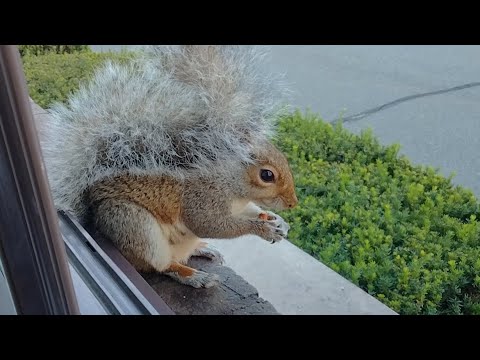
Squirrels use tail shaking to send clear messages. They warn others, fend off predators, and guard their food or territory.
If you watch the speed, angle, and what’s happening around the squirrel, you can usually guess what it’s trying to say.
Alarming and Warning Other Squirrels
When a squirrel spots danger, it shakes its tail back and forth really fast to grab attention. This quick motion stands out across branches and even through dense brush.
Squirrels often pair the tail shake with sharp calls. That way, others know where the threat is coming from.
Pay attention to how fast the tail moves. A super-fast, intense shake usually means a predator is close by. Slower quivers might just mean the squirrel feels uneasy or curious.
If you see a squirrel shaking its tail, it might be warning about a hawk overhead, a dog nearby, or some other sudden commotion.
The tail movement works even when squirrels can’t see each other well. It backs up their scent and sound signals, helping the group react and scatter fast.
Defending Against Predators
Squirrels shake their tails to throw off predators and act tough. Against snakes, they might flick their tails rapidly to mess with the snake’s senses—sometimes even confusing its heat vision.
This trick can buy the squirrel time to back away or dart up a tree.
If a hawk is circling, the squirrel might twitch or flash its tail to draw the bird’s eyes away from its body. Occasionally, it’ll puff the tail up and shake, making itself look bigger and less tempting.
You’ll spot different moves for different threats. Low, fast shakes usually mean a ground predator is close. High, sweeping flicks? That’s more for birds overhead.
If you watch for these patterns, you’ll get better at reading what squirrels are up to.
Marking Territory and Resource Protection
Squirrels often shake their tails to defend food and territory from rivals. If one finds a good stash or a favorite tree, it might shake its tail as a visual “keep out” sign.
This move usually comes with other signals—chases, growls, and scent marking.
A slow, deliberate tail shake tends to mean, “This is mine,” not, “Danger right now!” Fast, sharp flicks during a food fight show the squirrel is ready to defend its prize.
Notice where the tail shaking happens. If it’s near a nest, a pile of nuts, or a top perch, the squirrel’s probably guarding resources.
That trick helps you figure out what’s going on with the squirrels in your yard or at the park.
Squirrel Tail Shaking: Communication, Emotions, and Everyday Behavior

Squirrel tails do a lot. They send warnings, show mood, and help with balance and movement.
If you watch the tail’s speed, direction, and the squirrel’s body language, you’ll start to get what it means.
Squirrel Communication and Social Signals
When a squirrel flicks its tail sharply, it’s often warning others about danger. Fast, repeated flicks—especially with an upright posture and alarm calls—usually mean a predator is close.
Slower, shorter flicks with a more relaxed body can show curiosity or just mild irritation.
You can pick up more by noticing where the squirrel is looking. If it waves its tail toward the ground and points at a spot, it’s probably showing others where the threat is.
In thick brush, these tail signals help others find the danger, even if they can’t see it right away.
Different squirrel species use tail signals in their own ways. Territorial types show more aggressive, pointed flicks, while social squirrels use softer flicks when interacting.
Pay attention to any sounds or extra movements to help figure out what’s being said.
Attracting Mates and Social Interactions
During courtship, the tail becomes a big part of the show. Males flick or wave their tails when chasing a female, showing off and trying to get her attention.
These movements are usually faster and come with chasing or darting around.
Friendly signals look a bit different. Slow, gentle swishes or quick sideways flicks happen when squirrels meet or hang out close to each other.
You’ll see relaxed ears and smooth movement with these calmer tail motions.
Context matters a lot. If the tail flicking happens during a chase or close contact, it probably ties to mating. If it’s during quiet feeding or lounging, it’s more likely just a sign of tolerance or a simple hello between neighbors.
Tail Movements in Balance and Navigation
Squirrels really use their tails as a kind of real-time balance tool when they’re moving through trees. If you watch one run along a narrow branch or make a leap, you’ll notice the tail shifting—almost like it’s constantly adjusting the squirrel’s center of mass.
Those quick tail sweeps? They help with sudden turns and those split-second midair corrections.
The tail also adds drag during a fall, which slows the squirrel down and helps it land with more control. When a squirrel swims or tries to cross a gap, it uses its tail to steer and keep steady.
These physical roles usually just happen; the squirrel isn’t really trying to send a message.
Take a look at how the tail moves, even when the squirrel isn’t making any sounds. If you see the tail moving in smooth, steady motions—like it’s just keeping balance—you’re probably watching a squirrel focused on staying upright, not communicating.


