
Ever wonder why squirrels chatter, bark, or even let out a scream? Squirrels make noise to warn others, claim territory, attract mates, and show stress or curiosity—each sound has its own meaning if you know what to listen for.

If you spend time outside or watch a feeder, you’ll notice the different calls. They start to make sense once you know the basics.
This post will break down common squirrel sounds, what they usually mean, and how these little creatures use both voice and body language to get their point across.
Types of Squirrel Noises and Their Meanings
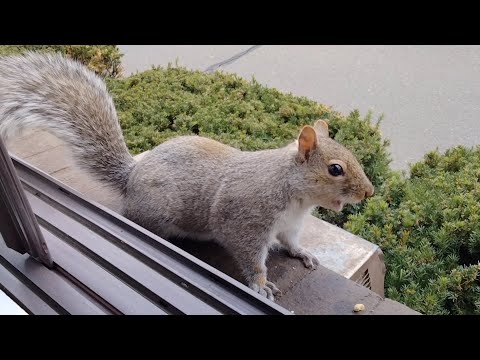
Squirrels use all sorts of sounds to share danger, claim space, attract a mate, or call for help. You might hear sharp barks, high chirps, soft purrs, or even short screams—each one fits a different situation.
Alarm Calls and Warning Noises
When a squirrel spots a threat, it’ll often let out sharp barks or repeated “kuks.” These short, loud calls warn other squirrels nearby and sometimes even tell the predator, “Hey, I see you.”
If danger sticks around, you might catch a longer, screaming “quaa” sound. That’s when things feel tense, but not quite urgent.
High, quiet chirps—or “seets”—work for more distant or aerial warnings. For example, a hawk overhead might trigger a bunch of these, sending other squirrels dashing for cover.
Ground squirrels tend to use whistles for aerial threats and chattering sounds for something on the ground. So, pay attention to the pitch and rhythm.
Squirrels don’t just use their voices. They’ll flick their tails or move their bodies along with these calls. That combo helps you figure out whether they mean “hide now” or just “keep an eye out.”
Different species tweak these alarm calls to match their local predators, so you might hear variations depending on where you are.
Territorial and Aggressive Vocalizations
You’ll hear growls, screeches, and rattles when a squirrel wants to protect its food or space. These sounds are usually harsher and last longer than alarm calls.
A red squirrel might bark loudly, while a gray squirrel could growl to warn off intruders. Territorial calls often come with chasing, tail-thrashing, and teeth-chattering.
If an intruder keeps getting closer, the intensity ramps up. Both males and females use these noises to defend nests, food stashes, or even just a favorite branch.
These vocalizations help cut down on actual fights—they’re more about saying “back off” than picking a brawl. If you spot two squirrels and one’s making sharp, repeated noises while lunging, it’s usually just trying to scare the other away.
Mating and Social Communication
During mating season, males make soft “muk-muk” or buzzing sounds to show interest without being threatening. These calls mimic the noises of young squirrels and help keep things calm with females.
You might also catch gentle purring or cooing when squirrels greet each other. Social sounds tend to be quick and quiet.
A soft chirp can mean “I’m nearby” or maybe “I’m friendly.” Squirrels in groups use these noises to keep track of each other while foraging.
If you listen closely, repeated soft notes often mean courtship or reassurance. Louder, spaced calls might help a group coordinate around food or warn of danger.
Some species, like prairie dogs and certain ground squirrels, have especially complicated social calls. It’s honestly pretty impressive.
Sounds Made by Young Squirrels
Baby squirrels use high-pitched squeaks and short cries to get their mom’s attention. Newborns let out soft squeals if they’re cold or hungry.
As they get older, they add growls and short screams. These sounds help the mother find and feed them quickly.
Young squirrels also make low “muk-muk” noises—adults later copy these during mating. You’ll hear brief, high pips from juveniles exploring outside the nest; those calls help siblings and mom keep tabs on each other.
If you hear repeated, urgent squeals near a nest, it usually means the babies need food or warmth right away. The mother often responds fast, so it’s not always a sign of a bigger problem.
How and Why Squirrels Communicate

Squirrels rely on sounds, tail flicks, and body language to warn, court, and keep tabs on each other. You’ll hear sharp barks, high screams, and soft chatters, but you can also read their mood by watching posture and tail movements.
Squirrel Behavior and Social Structure
Tree squirrels get more vocal when they have lots of neighbors. They usually live in loose groups around shared food and nesting spots.
If you hear a squirrel barking or chattering near a feeder, it’s probably defending its turf or telling a rival to keep away. Mother squirrels use quiet purrs and soft chirps to keep their pups close.
Juveniles make high, plaintive calls if they get separated or feel cold. On the other hand, ground squirrels form tighter colonies and use loud, repeated alarm calls to warn the whole family at once.
Watch their posture: an arched back, tail flick, or flattened body can change what a sound means. These nonverbal cues help you figure out if it’s a warning, a mating cue, or just plain agitation.
Species-Specific Squirrel Sounds
Different squirrel species have their own set of calls and styles. Eastern gray squirrels mix up chattering, barking, and a high-pitched scream when they feel threatened.
Red squirrels throw out sharp, rapid barks to protect their food stashes. Richardson’s ground squirrels even use ultrasonic calls—humans can’t hear them, but other squirrels sure can.
You’ll notice mating-related sounds too: soft “mup” noises from males during courtship and quiet calls from receptive females. Baby squirrels usually make thin whistles and “mup-mup” sounds to get their mom’s attention.
If you live in a city, gray squirrels might call more often or raise the pitch because of all the noise and close neighbors. Out in the country, squirrels use clearer, longer alarms since sound travels farther.
Environmental and Seasonal Factors Influencing Vocalizations
Your local environment really changes how often squirrels call out. In cities, all that noise and constant human activity push squirrels to call more often—and sometimes at higher pitches—just to cut through the background hum.
In dense forests, their calls don’t travel as far. So, squirrels tend to use shorter, sharper sounds there.
Season matters, too. In late winter and spring, you’ll probably hear more mating calls and those frantic chase sounds.
Summer’s a bit different. That’s when juvenile squirrels start using contact calls.
Once fall rolls around, aggressive calls pick up, especially near crowded food spots. Predators shake things up as well.
When hawks show up, squirrels fire off quick, repeated barks. But if snakes are lurking, you’ll notice more tail signals and those ground alarm calls.
If you’re hoping to study them, pay attention to the time of day, which predators are nearby, and whether the trees have leaves. These details help you figure out why a squirrel barked, chattered, or suddenly went quiet right then.


