
You’ve probably seen squirrels darting, circling, or chasing each other and wondered what’s behind those bursts of energy. Squirrels run around for reasons like searching for food, defending their territory, attracting mates, escaping danger, or just playing to stay fit and warm.

Let’s dig into what’s really going on. You’ll get simple explanations and a few quick tips to help you spot normal squirrel antics versus signs of trouble. Sometimes, you might need to call a local wildlife expert, and we’ll cover how to tell.
Core Reasons Squirrels Run Around
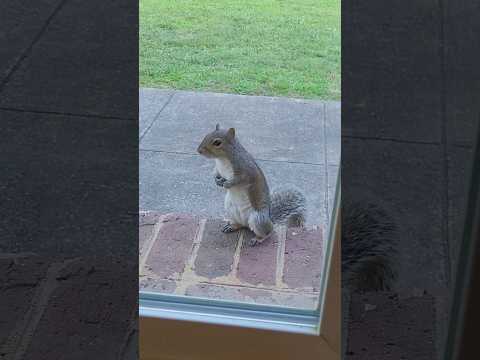
Squirrels dash around for practical, survival reasons. You’ll see them bolt to avoid danger, protect food, find mates, or sometimes because they’re unwell.
Instinctive Predator Evasion
When a hawk or fox shows up, a grey squirrel reacts instantly. You’ll notice those zigzag sprints, sudden climbs, and sharp stops.
These moves throw off predators and make it tough to predict where the squirrel will go. Squirrels use trees as escape routes.
On the ground, squirrels often head for the nearest trunk and scramble up out of reach. Ground squirrels rely on burrows and quick digging to get away.
They flick their tails and freeze sometimes. That tail flick warns other squirrels and helps them balance during jumps.
All these little tricks help them avoid getting caught.
Defending Food Caches and Territory
Squirrels stash nuts and seeds in many small spots. You’ll spot one running to a spot, digging fast, then dashing off to another hiding place.
Scatter-hoarding like this keeps them from losing everything if someone finds one stash. When another squirrel gets too close, you might see chasing or hear loud chattering.
Grey squirrels get pretty bold defending tree holes and bird feeders. They’ll make short, aggressive runs to push intruders away, but rarely stick around for a long fight.
If you’ve got a bird feeder outside, you’ll probably notice squirrels making repeated, daring runs to test how close they can get. Using baffles or squirrel-proof feeders can help keep them out.
Attracting a Mate
Breeding season turns male squirrels into little daredevils. You might catch a male chasing a female through the branches in quick, wild bursts.
Those chases show off his fitness and speed—qualities females pay attention to. Males also patrol their turf more often when females are ready to mate.
If you see fast, repeated runs around a tree, a male might be marking his presence or sizing up rivals. That’s how they decide who gets a shot at mating.
Young males practice these moves too. Play fights and short sprints help them build strength and agility.
Watching a bunch of juveniles run wild in the yard? That’s just them learning the ropes.
Neurological Issues and Illness
Not every frantic squirrel is healthy. If you spot a squirrel running in circles, staggering, or struggling to climb, it might be sick or have a neurological issue.
Diseases, head injuries, or parasites can cause weird, jerky movement. Rabies almost never affects squirrels, but other infections and toxins can mess with their behavior.
You really shouldn’t touch a squirrel that seems confused or oddly fearless. Reach out to a wildlife rehabilitator or animal control if you see one acting off.
Sometimes ticks or brain parasites mess with their coordination. If you catch repeated, strange running that doesn’t look like play or predator evasion, it’s best to let professionals handle it.
Less Common Causes and Unique Behaviors

There are a few odd reasons squirrels move in circles or roll around. Sometimes it’s parasites, social play, or just checking the dirt before digging.
Squirrel Rolling and Botfly Larvae
If you spot a squirrel rolling on the ground, parasites might be to blame. Botfly larvae burrow under the skin and cause intense itching and pain.
A squirrel dealing with botfly larvae will roll, rub, or scratch the same spot, hoping to get rid of the larvae. This looks a lot more frantic than normal play.
Both ground and tree squirrels can get botfly larvae, but ground squirrels get exposed more often near burrow entrances. You might notice hair loss, open sores, or slow, awkward movements in squirrels with larvae.
It’s best not to touch or try to remove the larvae yourself. If the squirrel’s in distress or hanging out where people or pets could get hurt, call a wildlife rehabber.
Playful Circling and Social Interaction
It’s easy to mistake mating chases or social play for random circling. Young squirrels and adults chase and turn sharply to test their agility and strength.
You’ll see these chases look like circular running, especially when one squirrel zips after another around a tree or across the lawn. Playful circling helps young squirrels learn how to balance and escape quickly.
In city yards, you might spot acrobatic loops during warmer months when food is everywhere. Look for quick stops, tail flicks, and playful nips—those are classic signs of play, not illness.
If the movement seems smooth and the squirrel looks alert, it’s probably just social or mating behavior, not a health concern.
Environmental Assessment Before Digging
Squirrels often run in short, quick circles when they check the soil before burying food. You’ll notice them pawing at the ground, digging a shallow hole, and then covering it up.
After that, the squirrel usually runs around again, maybe just to double-check if the spot feels safe. They seem to pay attention to the soil’s texture, moisture, and any nearby landmarks.
Ground squirrels really lean into this habit, especially since they depend on buried caches to get through winter. Circling around also helps them spread their scent marks, which means they—or another squirrel—can find the cache later.
If you see a squirrel repeating this check in the same area, it’s probably guarding a food stash or making sure the spot won’t flood or get raided by other animals.


