
If you’ve noticed your beagle growling more than usual, you might be wondering what’s going on. Growling is a form of communication for dogs, and it can signal different things depending on the situation.
Understanding why your beagle growls can help you address the behavior and strengthen your bond with your furry friend.

Beagles are energetic and social dogs, but they can also be sensitive. A growl can indicate discomfort, fear, or a desire for attention.
It’s important to pay attention to the context in which your beagle growls, as it helps you determine the cause and how to respond appropriately.
You don’t have to worry just yet. By learning more about your beagle’s behavior, you can figure out the reasons behind the growling and take steps to reduce it. Understanding your pet’s body language and needs will create a more peaceful environment for both of you.
Understanding Canine Communication
When you notice your beagle growling, it’s important to listen closely. Growling can mean various things, and understanding your dog’s body language and behavior can help you respond appropriately.
Decoding the Growl
Growling is a common way for dogs to communicate their feelings. It can serve as a warning growl that alerts others to stay away. This type of growl often accompanies tense body language, such as raised hackles or a stiff posture.
Your beagle may also growl when feeling playful or excited. In these cases, the growl might be softer and infused with other playful behaviors.
Paying attention to the context is key. For instance, if your beagle growls while guarding a toy, it likely indicates a protective behavior.
Other signs to identify include the dog’s ears and tail position. Ears pinned back can signal fear, while a wagging tail might show playfulness. Understanding these messages helps you respond better to your furry friend.
Signs of Anxiety and Stress
Sometimes, a growl indicates anxiety or stress. If your beagle feels threatened by loud noises, unfamiliar people, or new environments, they might express discomfort through growling.
Other common signs include excessive panting, pacing, or a tucked tail.
It is crucial to recognize these signals as they can lead to more aggressive behavior if not addressed. Providing a calm environment can help ease your dog’s anxiety.
If you observe your beagle growling more frequently, consider how you can make their surroundings comfortable. Consulting with a veterinarian or a dog trainer can also provide further insights. Recognizing and addressing these issues is essential for a happy, well-adjusted dog.
Common Reasons for Growling

Your beagle may growl for several reasons, and understanding these can help you respond properly. Common causes include protection of resources, fear or discomfort, and a desire for attention.
Protection and Resource Guarding
Beagles can be territorial, which means they might growl when they feel their possessions are threatened. If you approach your beagle while they are near a toy or bowl, they might growl to signal, “This is mine.”
This behavior is known as resource guarding. It often stems from the dog’s instincts to protect valuable items.
It’s important to address this through training. You can teach your beagle commands like “leave it” or work on gradually rewarding them when you approach their toys. This helps reduce growling during these situations.
Fear or Discomfort
A beagle may also growl when they feel scared or uncomfortable. This can happen in new environments or situations that seem threatening.
Signs of fear may include a stiff posture, pinned ears, or avoidance behaviors.
If your beagle is growling out of anxiety or discomfort, it’s essential to identify the trigger. Once you know what causes their fear, you can help them feel more secure.
Gradual exposure to the feared object or situation can build their confidence. Always use positive reinforcement to encourage calm behavior.
Seeking Attention
Sometimes, growling can be a form of attention-seeking behavior. Your beagle might use growling as a way to express their needs or wants, especially if they feel ignored.
If they want to play or need something, they might start to growl to get your attention.
To handle this, pay attention to your beagle’s growls and respond appropriately. Reinforce positive behaviors and engagements. Ignore growling unless it is a warning growl, so they learn that proper behavior gets the
Effective Training Techniques
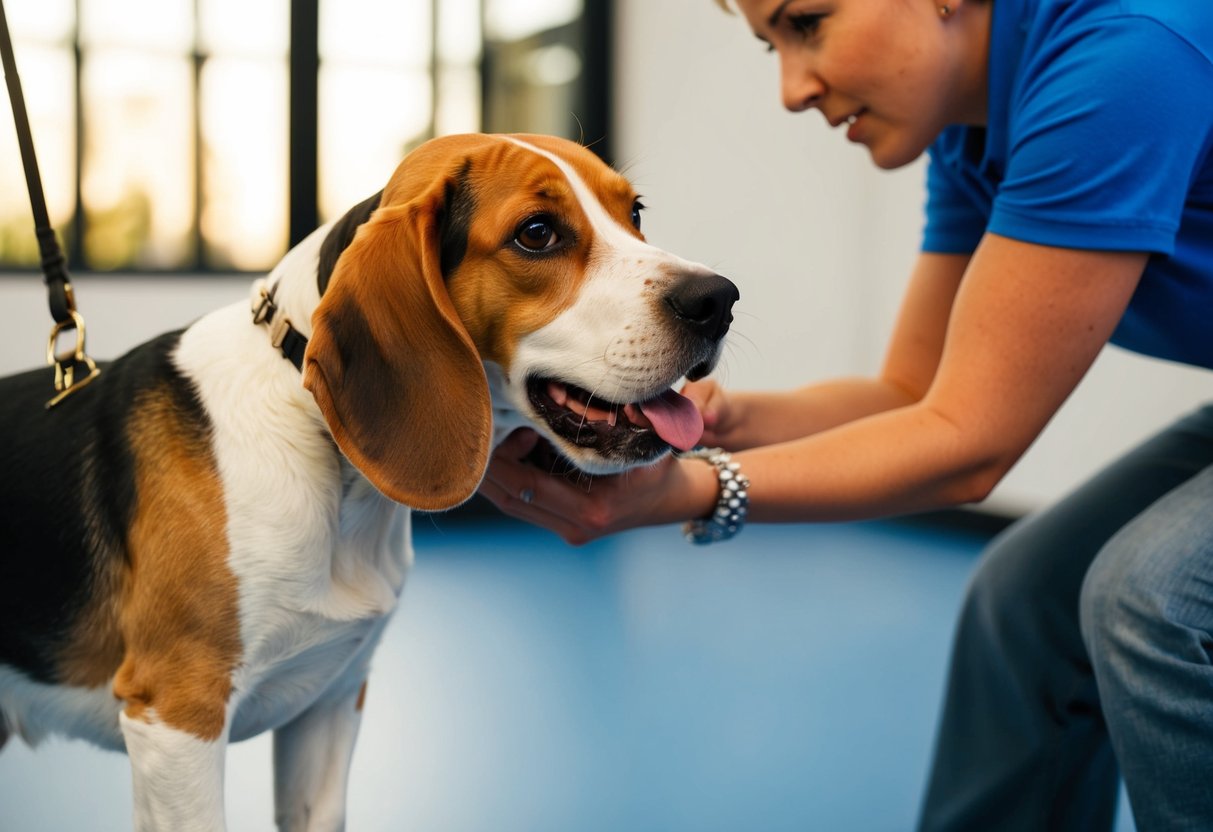
Training your beagle effectively requires a mix of patience and understanding. Using the right techniques can help reduce growling and improve your dog’s behavior. Here are some useful strategies to consider.
Positive Reinforcement Strategies
Positive reinforcement is one of the best ways to train your beagle. When your dog behaves well, reward them with treats, praise, or playtime. This helps your beagle associate good behavior with positive outcomes.
For example, if your beagle doesn’t growl when meeting new people, immediately offer a treat. This encourages them to repeat the good behavior.
Keep these key points in mind:
- Use high-value treats that your dog loves.
- Be consistent with rewards to reinforce learning.
- Gradually increase challenges as your dog improves.
Building a good bond with your beagle through positive experiences will help them feel secure and confident.
Behavior Modification Programs
Behavior modification can help address growling patterns. This method often involves desensitization and counterconditioning.
Desensitization means gradually exposing your beagle to the things that cause growling. Start at a distance and slowly move closer over time.
Counterconditioning changes your beagle’s emotional response. If your beagle growls at strangers, reward them with treats when they see someone new from a safe distance. This helps them associate positive feelings with those situations.
Consider working with a professional dog trainer if needed. They can guide you through more advanced behavior modification techniques tailored to your beagle’s specific needs. Engaging in this training will foster a calmer and happier pet.
When to Consult a Professional
It’s important to know when to reach out for help with your beagle’s growling. Recognizing the right moments can lead to better behavior and a happier pet. Here are some signs that indicate it might be time to consult a professional.
Recognizing Serious Behavioral Issues
If your beagle growls frequently, it could signal deeper problems. Pay attention to the context of the growling. Does it happen during play or when approached while eating? Growling during these times can indicate fear or aggression.
If your beagle shows signs of aggression, like lunging or snapping, it’s essential to act. These behaviors may worsen without proper guidance. A professional dog trainer can help you understand your dog’s emotions and develop a plan for improvement.
Don’t wait too long if you notice anxiety or fear-based growling. A trainer can guide you in using positive reinforcement methods, which encourage good behavior over time. Consulting a trained expert can lead to a better relationship with your furry friend.


