
Do you have a Beagle? If so, you know their barking can sometimes reach a high volume. The key to getting your Beagle to stop barking is to use positive reinforcement techniques that reward quiet behavior. By understanding what triggers their barking, you can start to address the issue effectively.

Beagles are known for their keen senses and strong personalities, which can lead to excessive barking when they’re bored or anxious. Instead of reacting negatively to the barking, focus on creating a calm environment and rewarding your pup when they are quiet. This approach can help foster good behavior over time.
Just remember, consistency is vital in training. With patience and the right strategies, you can help your Beagle learn to be quieter, making for a more peaceful home for both of you.
Understanding Beagle Barking Behavior

Beagles are known for their vocal nature. Understanding why your beagle barks can help you manage this behavior effectively. Recognizing common causes and triggers is the first step to a quieter home.
Common Causes of Barking in Beagles
Beagles bark for various reasons. One common cause is their natural instinct. As scent hounds, they were bred to alert hunters by barking when they find something interesting.
Another reason for excessive barking may be attention-seeking. If your beagle barks and receives a reaction from you, even if it’s negative, it can reinforce this behavior. A bored beagle may also bark due to lack of stimulation.
Understanding these motivations is key. It allows you to respond correctly and help your beagle move towards more positive behaviors.
Identifying Barking Triggers
Every beagle has its own triggers. Common triggers include strangers approaching your home, other animals, or even loud noises.
To identify what makes your beagle bark, pay close attention to when it happens. Make a note of the situations that lead to barking.
Once you know the triggers, you can work on managing them. For example, providing a secure space during noisy times can help reduce reactions.
Experiment with different strategies to see what works best for your beagle.
The Role of Separation Anxiety
Separation anxiety is another important factor in beagle barking. If your beagle barks when you leave, it might be feeling stressed.
This type of barking often happens when your dog is left alone for too long. Beagles thrive on companionship and may feel anxious.
To help your beagle, try gradually increasing the time you spend apart. You can also provide toys or comforting items to ease anxiety.
Creating a calm environment can make a big difference in reducing stress and barking.
Recognizing Reactive Barking
Reactive barking occurs when your beagle barks in response to something in its environment. This could include other dogs, delivery people, or even loud noises.
Training is essential to help manage this type of barking. Focus on desensitizing your beagle to these triggers.
Use positive reinforcement when your beagle stays calm in situations that normally cause barking.
Over time, with patience and practice, your beagle can learn to respond differently.
Essential Training Techniques to Reduce Barking

Using effective training techniques can help manage your beagle’s barking behavior. By understanding and applying various methods, you can address the root causes of barking and create a calmer environment for both you and your pet.
Positive Reinforcement Basics
Positive reinforcement is an effective way to train your beagle. This means rewarding your dog for good behavior rather than punishing for unwanted actions. When your beagle stops barking, immediately give a treat or offer praise.
Make sure to use small treats that your beagle loves. This will make them more likely to repeat the desired behavior.
Consistency is key, so ensure everyone in your household uses the same cues and rewards. This helps your beagle learn what you expect from them clearly.
You can create a training schedule. For example, practice when your dog typically barks, like when the doorbell rings. Repetition will help your beagle understand when to remain quiet.
Employing Desensitization Techniques
Desensitization involves gradually exposing your beagle to the things that trigger their barking.
Start at a distance where your dog feels comfortable. Use treats or toys to create a positive association with these triggers.
For instance, if your beagle barks at strangers, have a friend approach slowly while you reward calm behavior. Over time, move closer to the trigger while continuing to reward your dog for silence.
This approach can take time, so be patient. The more you practice, the more confident your dog will become. This method can help your beagle learn to stay calm and relaxed in various situations.
The Effectiveness of Redirection
Redirection is another helpful technique. This involves diverting your beagle’s attention from barking triggers to something more positive.
Keep toys or treats handy to use as distractions.
When your beagle starts barking, call them over to you or point out a toy they enjoy. This shift in focus can help reduce barking and encourage playtime instead.
You can also teach commands like “quiet” or “enough.” When your dog barks, use the command and offer a reward when they stop. This not only helps your dog learn but also creates a stronger bond between you two.
Crate Training as a Tool for Bark Control
Crate training can be an effective way to manage barking, as long as it’s done properly. A crate can provide a safe space for your beagle and prevent excessive barking when you are not around.
Introduce the crate gradually. Make it a positive experience with treats and comfortable bedding. When your beagle is calm and quiet, reward them. This teaches your dog to see the crate as a happy place.
Using the crate for short periods can be helpful when you leave home. This can help reduce anxiety and barking. Just remember to avoid using the crate for punishment, as this may lead to negative feelings about it.
Supplementary Methods for Managing Barking
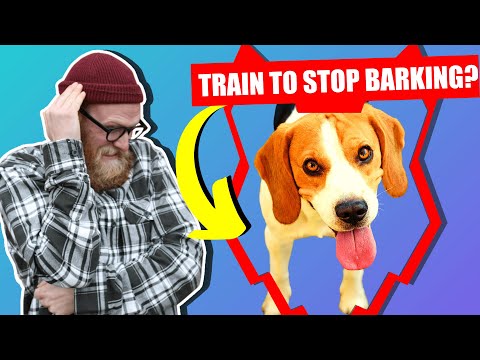
Managing your Beagle’s barking can involve a mix of activities and tools. There are effective strategies that focus on exercise, training tools, and when to ask for help from a professional.
Exercise and Mental Stimulation Strategies
Beagles require both physical exercise and mental engagement. Without enough activity, your dog may bark out of boredom.
Aim for at least an hour of play each day. Activities like fetch, long walks, or agility training can help burn off energy.
In addition to physical exercise, incorporate puzzle toys or training games to challenge your Beagle’s brain. These can keep them engaged and less likely to bark. Pre-planned playdates with other dogs can also provide social stimulation.
Routine is important. Set a daily schedule for walks and playtime to establish a rhythm for your dog. A tired Beagle is often a quieter Beagle.
Understanding Bark Control Devices
Bark control devices can be useful tools in managing excessive barking. One popular option is the bark collar. These collars can come in various forms, including citronella spray collars and static electric bark collars.
Citronella collars release a spray of citronella when your dog barks. Many dogs dislike the scent, which can deter them from barking. Static collars provide a mild correction when your Beagle barks excessively. Choose a collar that suits your dog’s temperament.
Always supervise your dog while using these devices. Consistent training alongside the use of a bark collar is key for effective results. They should not replace training but serve as a supportive tool.
When to Seek a Professional Dog Trainer
If you’re struggling to manage your Beagle’s barking, it may be time to seek help from a professional dog trainer. A trainer can offer tailored advice and training plans that fit your dog’s unique personality.
Look for trainers who use positive reinforcement methods. These approaches help build good habits without creating stress or fear in your dog. A trainer can teach you effective commands and strategies to reduce barking over time.
Group classes can also be beneficial for socialization. Engaging with other dogs in a controlled environment helps your Beagle learn proper behavior. Remember, asking for help is a healthy step in ensuring your dog thrives.
Maintaining Consistency and Patience

Getting your beagle to stop barking requires consistent training and a lot of patience. It won’t happen overnight, so be prepared for a journey.
Start by setting clear rules. Decide when barking is acceptable and when it is not. For instance, barking at strangers might be fine, but nuisance barking isn’t.
Use counter-conditioning techniques to change your beagle’s response to triggers. For example, when your beagle barks at the door, wait until they stop for a moment, then reward them with a treat. This teaches them to quiet down for a reward.
Keep a training schedule. Regular practice helps reinforce what you want your beagle to learn. Aim for short, fun sessions so your dog stays engaged.
Stay calm and avoid yelling. If you react with frustration, your beagle might think barking gets your attention, which encourages the behavior. Stay positive and reward quiet moments consistently.
Your patience is crucial. Some beagles may take longer to learn than others. If you see improvement, celebrate those small wins!
Finally, if you feel overwhelmed, don’t hesitate to seek help from a professional dog trainer. They can provide tailored advice to fit your dog’s specific needs.
With time and effort, you can help your beagle learn calm behavior.


