
If you’ve noticed a persistent odor coming from your American Bulldog, you’re not alone. Many Bulldog owners face this common issue, and it can be caused by a variety of factors. Infections, dental problems, and poor grooming habits are often the main reasons why your Bulldog may smell so bad.
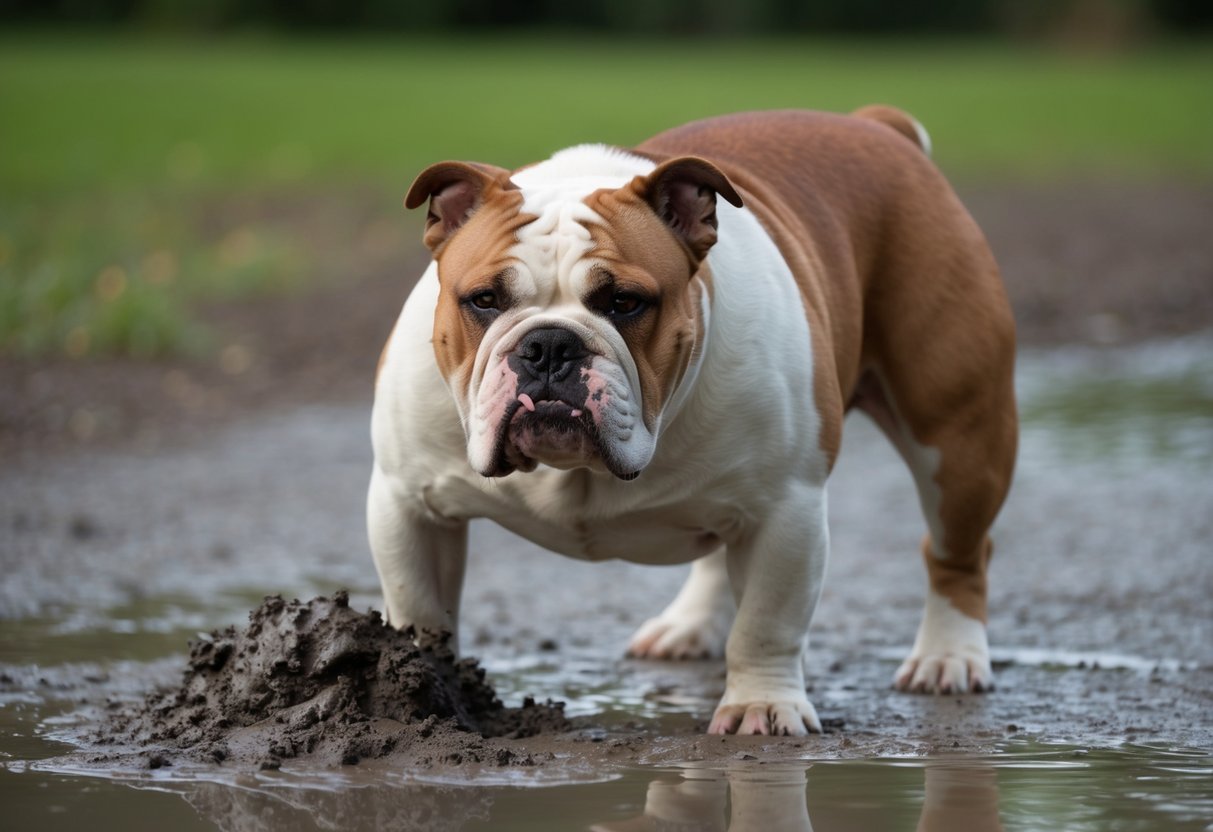
Understanding the underlying causes of Bulldog smell can help you keep your furry friend fresh and healthy. From skin folds to diet, there are several areas to consider when tackling this problem.
As you read on, you’ll discover practical tips to address these concerns and improve your Bulldog’s overall hygiene.
Your American Bulldog deserves to feel and smell their best, so let’s explore the reasons for that stubborn odor and the steps you can take to eliminate it. With a little bit of care and attention, you can help your Bulldog shine without the unwanted smell.
Understanding Bulldog Odor

Bulldogs have unique physical traits that can contribute to unpleasant odors. Understanding these causes can help you keep your furry friend smelling fresh. The key factors include their anatomy and common health issues that may lead to odors.
Bulldog Anatomy
Bulldogs are brachycephalic dogs, meaning they have short noses and flat faces. This structure can trap moisture and create an environment for bacteria and yeast to grow.
Additionally, they have numerous skin folds and face wrinkles. These folds can collect dirt, moisture, and food particles. If not cleaned regularly, they can lead to skin infections that cause odor.
Regularly checking the skin folds and face wrinkles helps prevent these issues. Keep them dry and clean to minimize unpleasant scents.
Common Causes of Dog Odor
Several health issues can cause bad smells in American Bulldogs. Skin infections from bacteria or yeast can occur in their skin folds, leading to foul odors.
Ear infections are also common and can contribute to unpleasant smells. Make sure to keep your dog’s ears clean and dry.
Anal gland problems can result in a strong, fishy smell. If your dog seems to have trouble expressing its anal glands, consult your vet.
Lastly, dental issues can cause bad breath. Regular dental care is important to keep your dog’s mouth healthy.
Health and Hygiene Factors
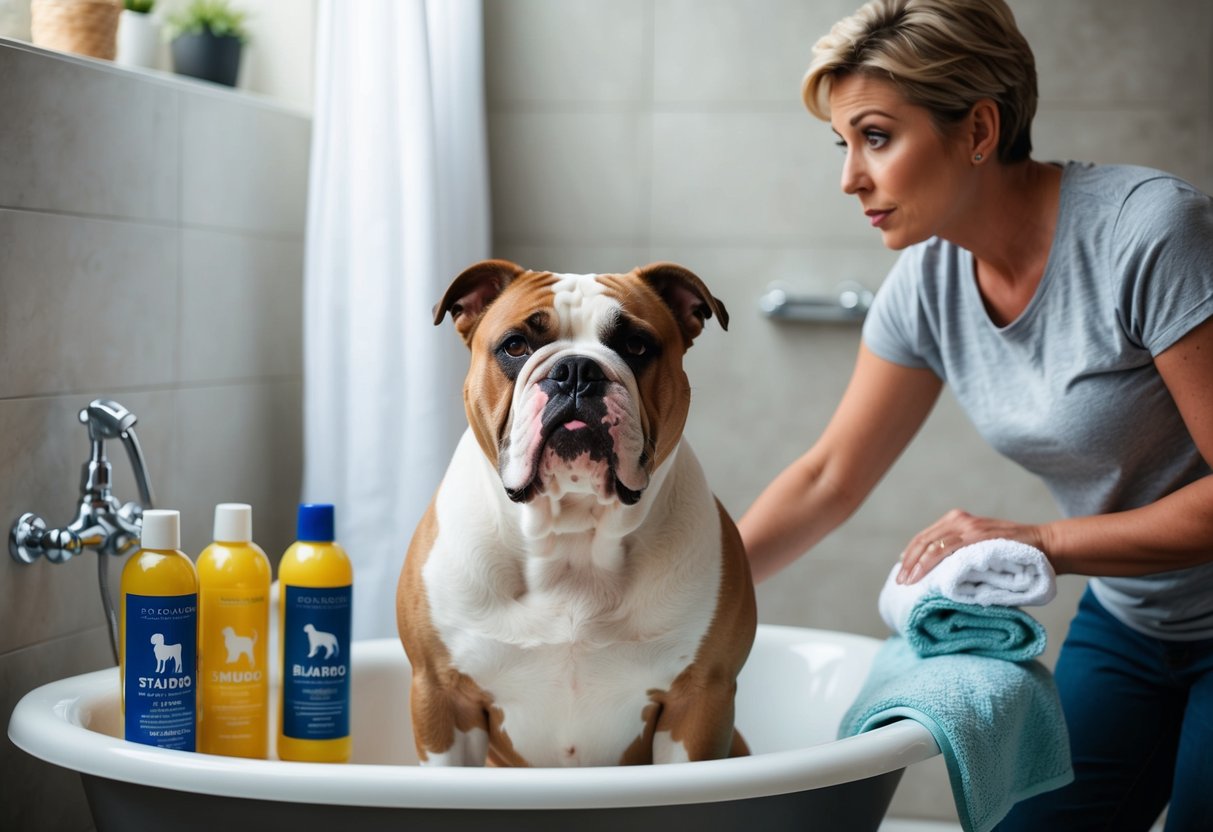
Maintaining proper health and hygiene for your American Bulldog is crucial to keeping odors at bay. Key areas of focus include regular grooming, dental care, and managing skin conditions.
Regular Grooming
Grooming your bulldog regularly helps control odors by removing dirt, loose hair, and dander. Aim to brush your dog at least once a week.
For bulldogs, special attention should be given to skin folds. These areas can trap moisture and debris, leading to unpleasant smells.
Make sure to clean these folds gently with a damp cloth or pet-safe wipes to prevent infections. Regular grooming also promotes better skin health and can identify problems early, keeping your dog comfortable and fresh.
Dental Hygiene
Dental health is often overlooked but is vital for your dog’s overall well-being. Bad breath can signal underlying dental issues like plaque or gum disease.
To keep your bulldog’s mouth healthy, brush their teeth at least a couple of times a week. You can use a toothbrush and toothpaste designed specifically for dogs.
Dental chews can also help reduce tartar buildup and keep their breath fresh. If your dog’s breath remains bad despite your efforts, consult your vet for potential dental cleanings or other advice.
Skin Conditions and Allergies
Bulldogs can be prone to skin allergies and conditions, contributing to their odor. Signs may include itching, redness, or unusual odors coming from the skin.
If you suspect allergies, consider allergy testing recommended by your veterinarian. Identifying triggers helps manage symptoms effectively.
For skin folds, be diligent about cleaning to prevent infections. Make sure your dog’s skin is dry and clean, particularly after baths or outdoor activities.
These actions not only help with odor but also ensure your bulldog feels their best.
Diet and Digestive Health
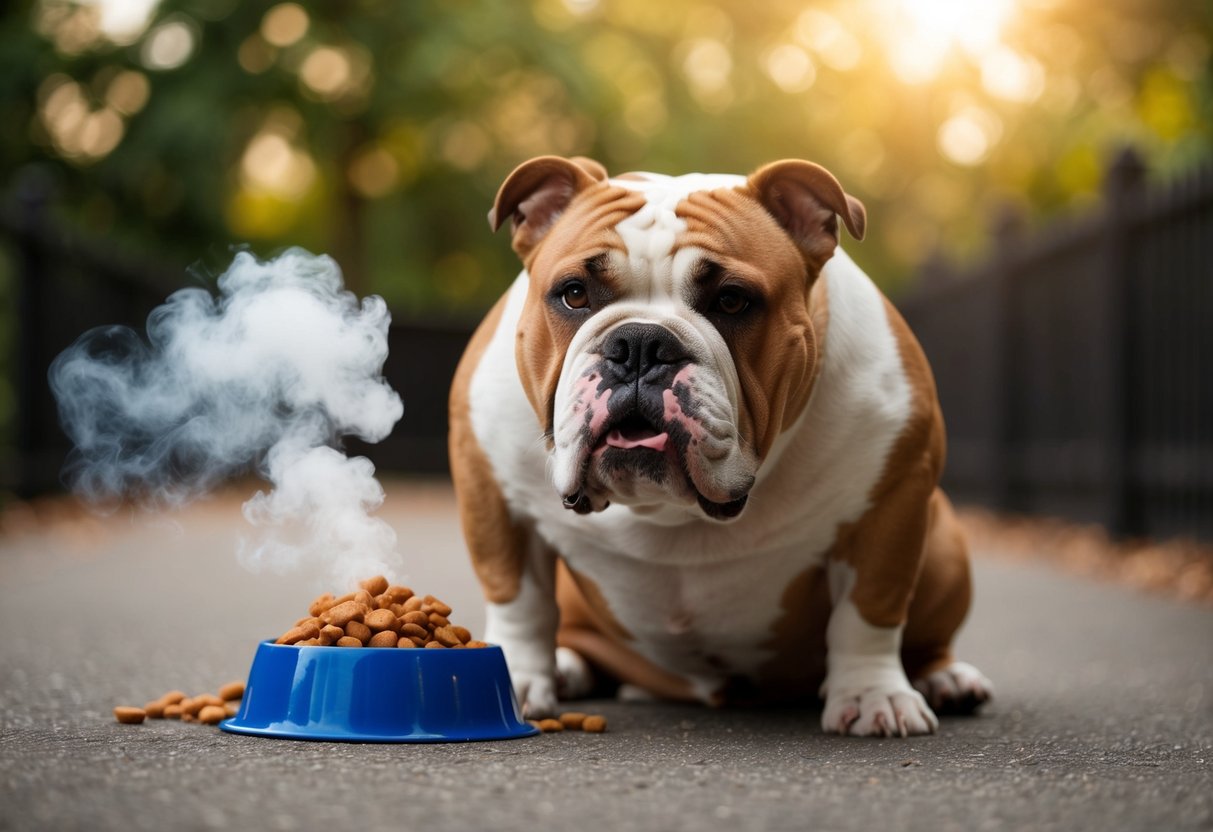
Your dog’s diet plays a crucial role in their overall health and can greatly affect any odors coming from them. Digestive issues often lead to flatulence and bad smells. Here are some key points about how to manage your American Bulldog’s diet and digestive health.
Diet
What you feed your American Bulldog matters. Look for high-quality dog food that lists real meat as the first ingredient. Avoid foods with fillers like corn and soy, as these ingredients can lead to digestion problems.
Some dogs may also have food sensitivities. You might notice odors when your dog eats certain ingredients. To identify triggers, consider keeping a food diary. This can help you track your dog’s meals and any changes in their smell.
Keep feeding times consistent. Regular schedules help maintain good digestion. Always provide fresh water, as hydration assists digestion.
Probiotics and Supplements
Probiotics can be beneficial for your American Bulldog. They help balance the gut bacteria, which supports better digestion. Good digestion can reduce flatulence and associated odors.
Consider dog-friendly probiotic supplements available in various forms, like powders or treats. Always consult with your vet before adding new supplements.
Additionally, some natural supplements like pumpkin or plain yogurt can aid digestion. These can be gentle on the stomach while promoting a healthy gut. Always introduce new foods or supplements slowly to prevent digestive upset.
When to Consult a Vet

If your American Bulldog has a persistent odor or you notice other concerning signs, it’s important to take action. Certain symptoms can indicate that your dog needs veterinary attention. Here are the key signs to watch for and what you can do to address ongoing issues.
Signs of Infection
Look for specific signs that could mean an infection. Common indicators include:
- Redness or Swelling: Check their skin, especially in folds.
- Discharge: Any unusual fluid, whether from ears or skin, is a warning.
- Fishy Odor: A strong or fishy smell can indicate bacterial issues.
If you notice these symptoms, don’t hesitate. A vet visit is essential for proper diagnosis and treatment. Ignoring these signs can lead to worse problems. Your vet might suggest cleaning routines or medication to eliminate odor-causing bacteria.
Dealing with Persistent Issues
If your dog continues to smell bad despite regular grooming, consult a vet. Persistent odors often point to deeper issues, like:
- Anal Gland Problems: Impacted or infected anal glands can cause strong smells. Your vet can express them properly.
- Dietary Factors: Sometimes, food allergies contribute to bad smells. Discuss dietary changes during your check-up.
Make notes of any changes in behavior or habits. This information can help your vet identify the root cause. Prompt action will help keep your bulldog healthy and happy. Regular veterinary check-ups are an excellent way to catch issues early.


