
When considering adding an American Bulldog to your home, it’s important to think about how they will get along with other pets. American Bulldogs can be good with other pets, but their behavior often depends on their individual temperament and early socialization.
These dogs are known for their loyal and protective nature, making them great family pets, especially if raised with children.
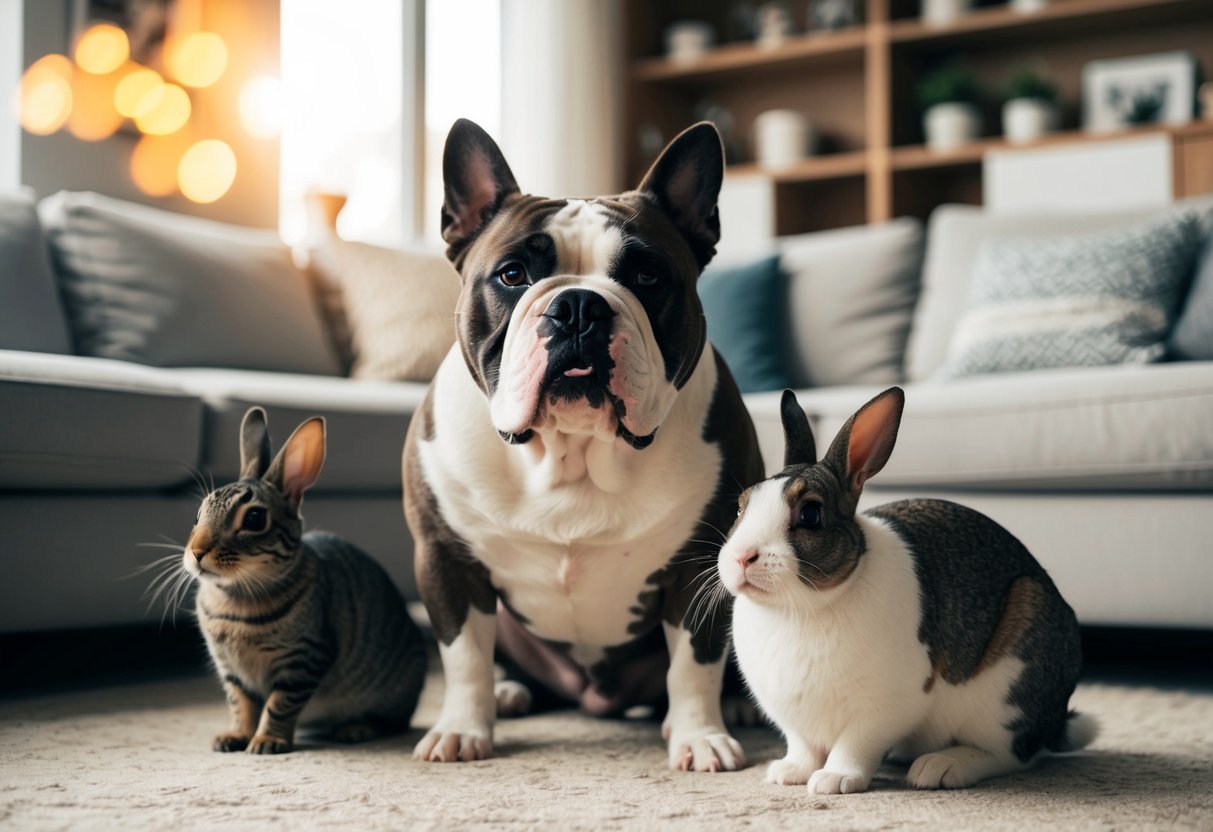
Early exposure to various animals and situations is key for American Bulldogs. Proper training and socialization from a young age help them develop positive interactions with other pets.
This can lead to a well-balanced dog that fits seamlessly into your family dynamic.
If you already have pets or are planning to bring an American Bulldog into the mix, understanding their social nature is vital. With the right approach, you can create a harmonious home where everyone, including your new furry friend, feels safe and loved.
American Bulldog Characteristics
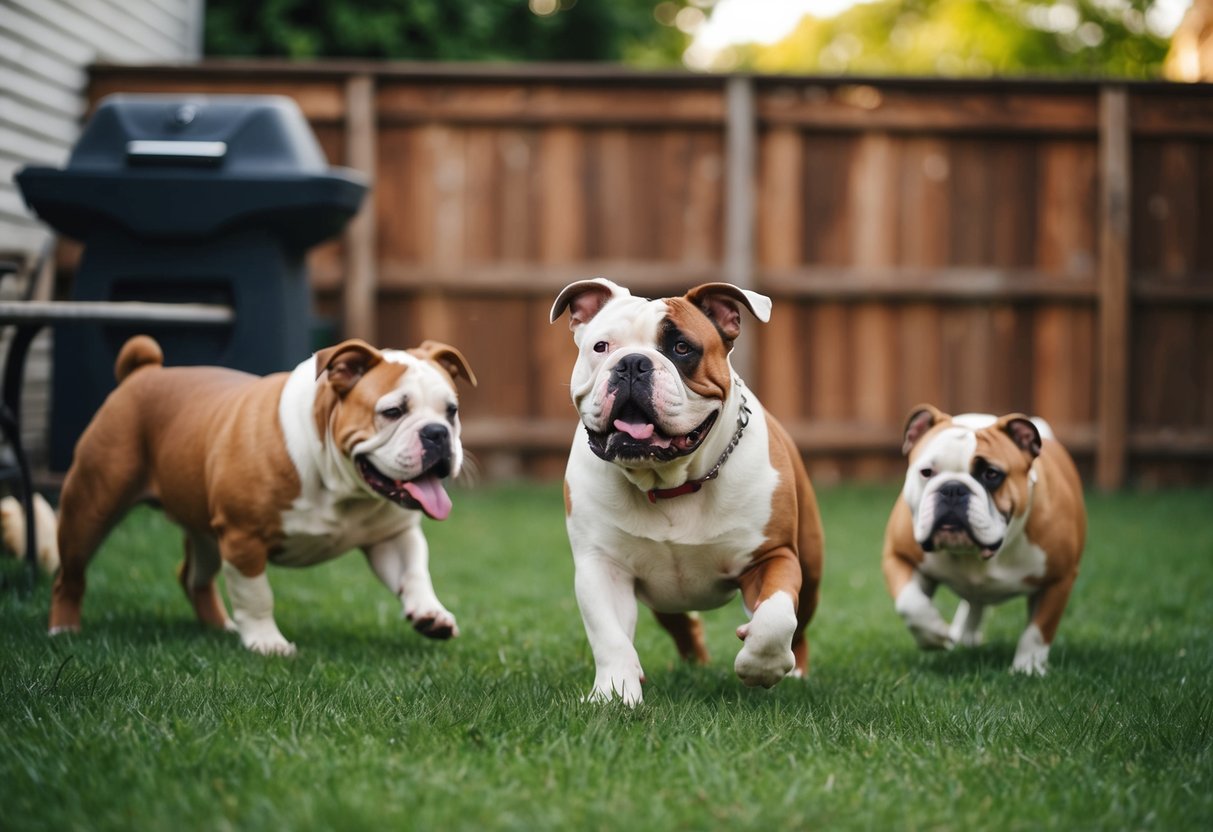
American Bulldogs are known for their strong presence and protective nature. Understanding their temperament, the need for socialization, and their health requirements will help you take great care of your pet.
Understanding the Breed’s Temperament
American Bulldogs have a confident and loyal temperament. They bond closely with their families and can be quite affectionate. Their protective nature makes them excellent guardians for your home.
These dogs have a muscular build and high energy levels. They need regular exercise to keep them happy and healthy. A well-exercised American Bulldog is less likely to show behavior issues.
While they can be friendly, their interactions with other pets depend on individual personalities. Early exposure to different environments, people, and other animals is essential to help shape their behavior.
The Importance of Early Socialization
Socialization is vital for American Bulldogs. It helps them develop a balanced temperament and reduces the risk of aggression toward other pets. Begin socialization as early as possible—ideally during puppyhood.
Introduce your Bulldog to various situations, people, and pets gradually. This exposure teaches them how to behave in different scenarios. A well-socialized Bulldog tends to be more adaptable and confident.
Without proper socialization, American Bulldogs might become wary of unfamiliar pets or situations. Consistent training and positive experiences will ensure they grow into well-mannered companions.
Health and Maintenance
American Bulldogs are generally healthy, but certain health concerns can affect them. Common issues include hip dysplasia, allergies, and heart conditions. Regular vet check-ups are necessary to catch any potential problems early.
Their energetic nature means they require daily exercise. Without enough physical activity, they may become overweight, leading to obesity-related issues. Keep an eye on their diet and adjust portion sizes as needed.
Grooming is also important. Regular brushing can help manage shedding and keep their coat healthy. Pay attention to their ears and teeth for overall wellness. With proper care, your Bulldog can lead a long, healthy life.
Training and Socialization
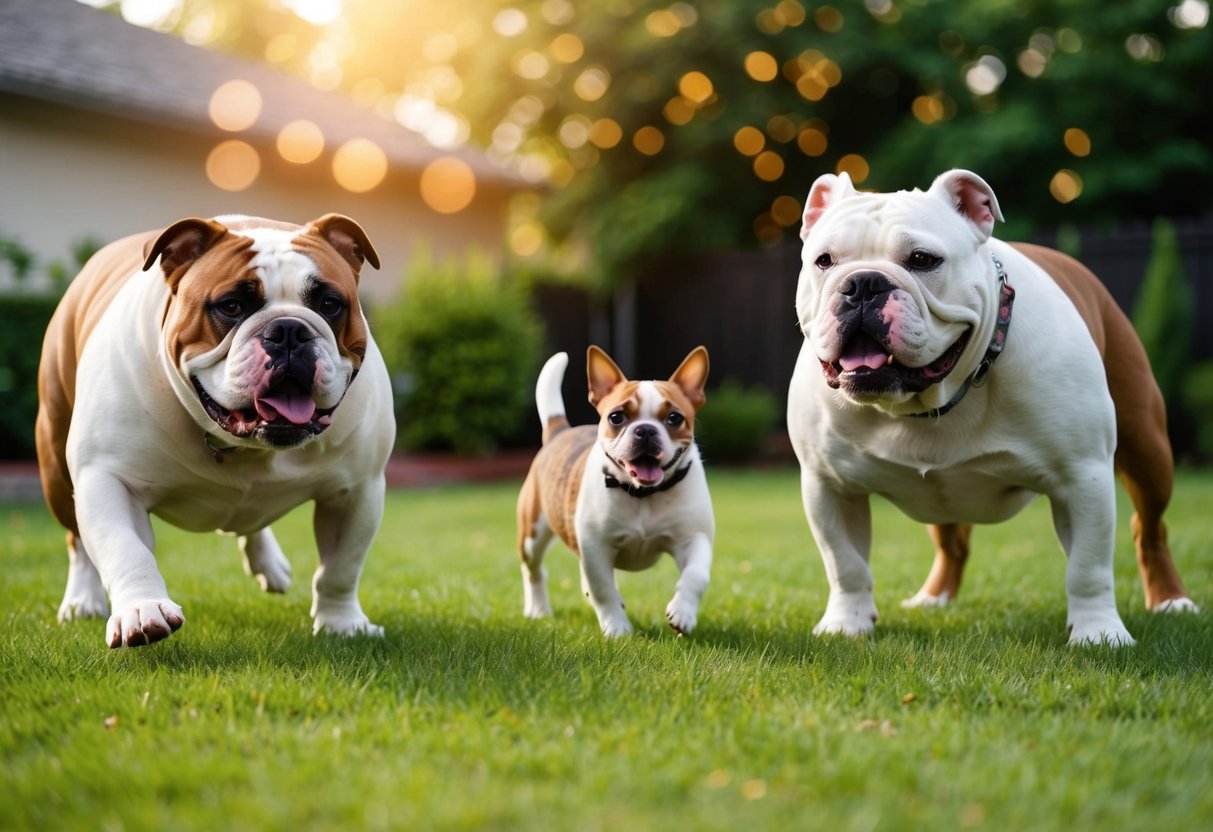
Training and socialization are essential for helping American Bulldogs get along with other pets. By focusing on positive relationships and behavior management, you can create a harmonious environment for all your animals.
Creating Positive Relationships with Other Pets
To help your American Bulldog develop good relationships with other pets, start early. Socialization should begin as soon as you bring your puppy home. Expose them to different animals and environments so they feel comfortable around new experiences.
Using positive reinforcement training is key. Reward your dog with treats or praise for calm behavior around other pets. This encourages them to associate other animals with positive experiences.
Remember, consistency is important, so practice regularly.
Teach basic obedience commands like “sit” and “stay.” These commands can help control their focus and excitement when meeting other pets, especially if they have a strong prey drive.
Behavior Management and Supervision
Behavior management is crucial when your American Bulldog is around other pets. Always supervise their interactions, especially during the initial introductions. This helps you catch any signs of aggression or overexcitement early.
If you notice unwanted behavior, redirect your dog using commands or distractions. For example, if they start to chase or bark, redirect their attention to a toy or command.
Create a structured environment by setting boundaries. Use a leash when necessary, and ensure each pet has its own space to retreat to if they feel overwhelmed. Regular exercise is also important for managing energy levels.
By using these strategies, you can help your American Bulldog thrive in a mixed-pet household.
Living with American Bulldogs and Other Pets

When bringing an American Bulldog into your home, it’s important to consider how they will interact with other pets. Their affectionate nature, protective instincts, and individual temperaments play a big role in these relationships. Proper introductions and ongoing management can help create a harmonious environment.
Introducing to Other Family Pets
Start by introducing your American Bulldog to other pets gradually. Supervise these first meetings to ensure everyone stays safe and comfortable. Create a positive atmosphere by rewarding your Bulldog with treats for calm behavior.
Each pet has its own personality. Some Bulldogs may be more assertive, while others are friendly and playful. Monitor their interactions closely. If you notice any signs of aggression or anxiety, separate them and try again later.
A slow and steady approach works best. Over time, most American Bulldogs can learn to coexist well with other dogs and pets. Regular playdates and socialization will help strengthen their bonds.
Maintaining a Balanced Diet and Exercise
Keeping your American Bulldog healthy is key to good behavior around other pets. A balanced diet is important for their energy levels and overall health.
Consult your vet for specific dietary recommendations that suit your dog’s needs.
Additionally, exercise is crucial. American Bulldogs need daily physical activity to prevent boredom and destructive behavior.
Engage them in fun activities like walks, fetch, or agility training.
Mental stimulation is also essential. Use puzzle toys or training sessions to keep their minds active.
A well-exercised and mentally stimulated American Bulldog is more likely to be friendly and less likely to show aggressive tendencies toward other animals.


