
Ever wonder why squirrels keep coming right up to you? Usually, they do it because they catch a whiff of food, get curious, or maybe they’ve figured out that people mean snacks. Most of the time, a squirrel comes close because it’s hoping you’ll hand over a treat or it thinks you might.

If you hang around their nests, set up feeders, or leave snacks out, you’ll probably notice even bolder squirrels. In the next few sections, let’s look at why they approach, how you can tell if one needs help, and some simple ways to keep things safe for both of you.
Key Reasons Squirrels Approach People
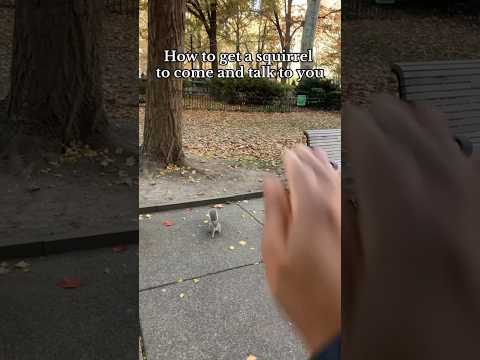
Squirrels come close for a few reasons you can spot. They might be checking if you’re safe, searching for food, or just young and still figuring things out.
Pay attention to their stance, eyes, and the way they move. That’ll usually tell you what’s going on.
Curiosity and Assessing Threats
Squirrels like to check things out up close before deciding if you’re a threat or just another part of the scenery. If you see one edging toward you slowly, it’s probably testing your scent, your sounds, and your movements.
They might pause, tilt their head, or flick their ears while they size you up. A cautious squirrel will keep some distance at first and make short, quick hops.
If the squirrel hangs around but doesn’t rush you, it probably thinks you’re not dangerous. This is how they learn which people to trust and which to avoid.
Watch for repeat visits. If a squirrel keeps coming back, it’s gotten used to you and feels safe enough to stick close.
Food Seeking and Human Association
Plenty of squirrels have learned that humans mean snacks—especially in parks and backyards where folks feed them. If you’ve got food out in the open, a squirrel may walk right up to see if you’ll share.
They’re quick learners. Feed one once, and it’ll expect it again.
Squirrels don’t always take food from your hand, but they’ll sit nearby and wait. You might spot them climbing onto a bench or hopping just a few feet away.
If you want to feed them, toss food on the ground instead of offering it from your palm. That keeps things less stressful for both of you.
City squirrels get used to human routines. They watch for joggers, picnickers, or gardeners who drop snacks, and they get bolder around people who always leave food out.
Young Squirrel Behavior
Baby and juvenile squirrels act a bit differently from adults. They’re more curious and haven’t really learned to be afraid of people yet.
A young squirrel might approach because it’s exploring or just doesn’t know better. If a small one sits and stares at you, it’s probably watching your reaction or waiting for its mom.
Mothers sometimes leave their babies for a while, so don’t pick up a young squirrel unless it’s clearly hurt or super lethargic. In that case, contact a local wildlife rehabilitator.
You can spot juveniles by their clumsy hops and softer fur. They usually hang out where adults feed or nest, so they end up around people more often.
Body Language: Staring and Sitting Near You
When a squirrel stares or sits close by, it’s trying to figure you out. An upright posture and steady stare usually mean it’s interested but cautious.
If it sits on its haunches and watches, it’s probably checking to see if you’ve got food or if you’re a threat.
Tail flicks, quick head turns, and flattened ears change the mood. A relaxed tail and slow breathing mean the squirrel’s just curious.
Fast tail flicks or sudden dashes away show it’s scared. If it sits close but stays quiet, that’s cautious trust—not exactly friendship, but not fear either.
You can read their cues: if a squirrel comes near, sits, and keeps an easy escape route, it sees you as low risk.
What to Do When a Squirrel Comes Up to You
Try to stay calm and move slowly. Keep a bit of distance, watch how the squirrel acts, and be ready to leave if it starts acting weird or aggressive.
Best Practices for Safe Encounters
If a squirrel comes up, just stop and stand still. Quick moves can spook it and might lead to bites or scratches.
Let it sniff the air—it’s just curious. Keep your hands at your sides and don’t try to chase it.
Keep pets leashed and slowly back away if the squirrel seems too bold. If you’ve got food, set it on the ground a few feet away instead of offering it from your hand.
Use a soft but firm voice to discourage it—no need to shout, as that’ll just scare off other wildlife too.
Watch for signs of illness or aggression—drooling, staggering, walking in circles, or acting way too bold. If you spot any of that, move away and call animal control.
For more safety tips, check out this practical guide on what to do if a squirrel approaches you (https://knowanimals.com/what-to-do-if-a-squirrel-comes-to-you/).
Why You Should Avoid Touching or Feeding
Touching wild squirrels can get you bitten, scratched, or worse—some carry diseases like rabies or nasty parasites. Even the healthy-looking ones might have fleas, ticks, or mites that can jump to you or your pets.
If a squirrel bites you, wash the spot with soap and water and talk to a doctor.
Feeding squirrels by hand teaches them to expect food from people, which can make them bolder around kids or cars. If you want to help, scatter some natural food like nuts and seeds on the ground—not from your palm.
Skip the processed human snacks; they’re bad for squirrels and mess with their natural behavior.
If you spot a squirrel acting way too bold around people’s homes or parks, let local wildlife services know. They can suggest safe steps or handle relocation if needed.
For more on staying safe, see this advice on handling squirrels that get too close (https://www.berrypatchfarms.net/what-to-do-if-a-squirrel-approaches-you/).
Helping Baby or Injured Squirrels
If you find a baby squirrel, take a minute to check from a distance. The mother probably just left it alone for a bit.
Look for a nearby nest and keep an eye out for about an hour. Sometimes, the mother shows up again when things quiet down.
If the baby feels cold, looks injured, or you’re pretty sure it’s been abandoned, call a wildlife rehabilitator before you pick it up. It’s tempting to step in, but they’ll know what to do.
When you need to rescue an injured squirrel, grab some thick gloves. Use a towel and gently scoop the squirrel into a box with plenty of ventilation.
Keep the animal warm and as calm as possible. Don’t try to feed it or give it water unless a rehabilitator tells you otherwise.
Bring the squirrel to a licensed wildlife rehab center or a vet who handles wildlife cases. They’ve got the training and resources to help.
If you spot an orphaned or sick squirrel, reaching out to professionals really is the best move. They can handle care and know how to prevent disease.
Not sure who to call? Local animal control or wildlife hotlines can point you in the right direction. You can also check out this page for more info on why squirrels approach people and when to seek help: (https://knowanimals.com/why-did-a-squirrel-come-up-to-me/).


