
If owls keep popping up around you, there could be a few reasons. Sometimes, they’re just nesting nearby and happen to be active in your area.
Other times, their visits might feel like a sign—maybe something about wisdom, intuition, or a nudge as you face a big decision.
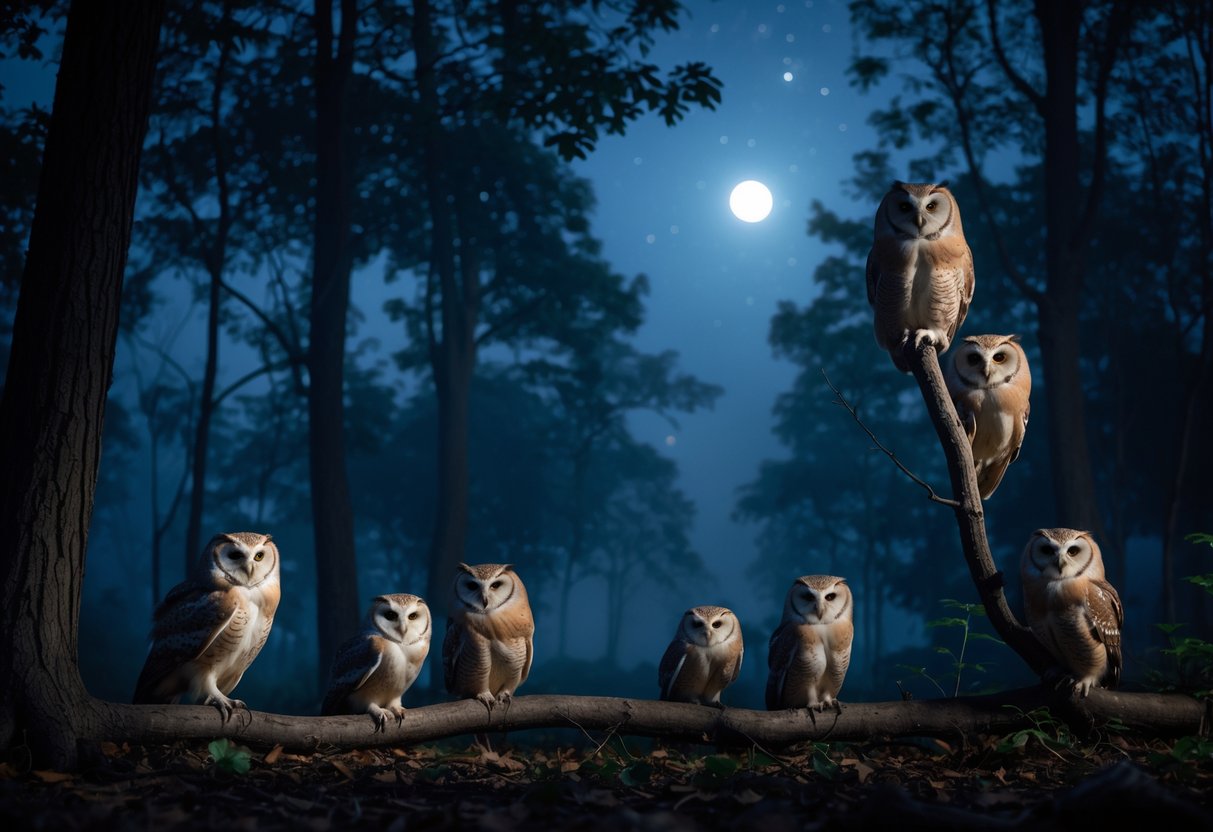
People often see owls as symbols of protection and insight, so spotting one could mean you’re being watched over or it’s time to trust your gut. Whether you catch them in the daylight or hear them at night, these birds seem to bring a message that’s both practical and a little mysterious.
You might even notice that seeing owls connects with new beginnings or personal growth. Figuring out why owls keep appearing can pull you closer to nature—and help you feel like these moments aren’t just random.
Why Do Owls Keep Appearing? Meanings and Interpretations

Seeing owls over and over can feel meaningful, right? Owls carry different messages depending on culture, spirituality, and old stories.
People usually tie owls to wisdom, change, and hidden truths. You might spot owls nearby during big life changes or times when you need a little guidance.
Symbolism and Cultural Beliefs
Owls have a reputation for wisdom and insight. Many folks think of owls like the screech owl or barn owl as birds that see what others can’t, especially since they’re out hunting at night with those wild night vision eyes.
Each owl species seems to come with its own vibe. For instance:
- Barn owls stand for protection and a quiet kind of strength.
- Screech owls are all about intuition and transformation.
Some cultures see owls as guardians or messengers. The Audubon Society points out how people respect owls for their patience and hunting skills, which kind of shows us the value of focus and calm.
So when an owl pops up, maybe it’s a call to be more aware or get ready for something new.
Spiritual and Biblical Perspectives
Spiritually, people often see owls as guides during times of change. They nudge you to trust your inner voice and face your fears, even if that’s tough.
For example, many Native American tribes consider owls messengers from the spirit world, hinting at deep knowledge or sometimes warnings.
In the Bible, owls sometimes stand for solitude or places left in ruins, which can be a reminder to reflect. They might show up when you need quiet moments to find clarity and wisdom.
So, if an owl visits, maybe it’s telling you to look inward and get ready for some personal growth.
Folklore and Common Superstitions
Folklore gives owls a mixed reputation. Some folks say owls bring bad luck or even death, especially if you see one during the day.
Others believe an owl’s hoot is good luck or a sign to pay attention to something important.
Stories sometimes paint owls as warning you about change or big events, but not always in a bad way. Since owls rarely show up at feeders and usually hunt small animals, their appearance feels special—almost mysterious.
Whether you see them as omens or guides, owls showing up again and again is often about noticing hidden truths or changes in your life.
If you want to dive deeper into the spiritual side, check out the spiritual meaning of owls.
Owl Sightings: Reasons, Habits, and Species

You might spot owls more often because of their hunting habits, shifts in food supply, or the time of year. Each owl has its own quirks and tends to live in different places.
Knowing which owls hang around your area can help explain why you’re seeing them—and how to recognize them.
Why You Might Be Seeing Owls Frequently
Owls show up more when they’re hunting actively, especially if there are lots of small mammals like mice or voles around. When food is plentiful, you might catch them at dawn or dusk.
Sometimes, if prey is hard to find or they’re caring for chicks, owls will come out during the day. The Short-eared Owl (Asio flammeus), for example, hunts in daylight to feed its young.
Seasons make a difference, too. Great Horned Owls and Barred Owls get louder and more active during mating season, which brings them out into the open.
Changes in your neighborhood—like less forest or more open fields—can also push owls closer to where you live.
Behavior and Patterns of Local Owl Species
Owls usually hunt at night, using those sharp talons and crazy good hearing. Great Horned Owls (Bubo virginianus) are pretty common and can handle just about any habitat, from deep woods to the suburbs.
Barred Owls stick to dense forests and give that “Who cooks for you?” call at night. They often hang close to their nests when breeding.
The Northern Saw-whet Owl is smaller and mostly active after dark, but you can pick them out by their high-pitched calls.
Short-eared Owls hunt by floating low over open fields and, unlike most owls, you can spot them during the day. Snowy Owls are rare for most of us, but they hunt in open tundra and sometimes drift south in winter, surprising people with sudden visits.
Identifying Common Owls Near You
Here are some ways you can pick out local owls:
| Owl Species | Size | Face Shape | Call Description | Habitat |
|---|---|---|---|---|
| Great Horned Owl | Large | Round | Deep hoot, “Who’s awake?” | Forests, cities |
| Barred Owl | Medium | Round | “Who cooks for you?” | Dense forests |
| Northern Saw-whet Owl | Small | Round | Rapid high-pitched whistles | Forested areas |
| Short-eared Owl | Medium | Round | Bubbly or hooty calls | Open fields, grasslands |
| Snowy Owl | Large | Round | Harsh, raspy calls | Arctic tundra, fields |
You’ll have a much easier time spotting owls if you pay attention to their traits and calls.
Hear a low, deep hoot at night? That’s probably a Great Horned Owl.
If sharp, quick whistles catch your ear, you might be listening to a Saw-whet Owl.
Try waiting quietly near woods or open fields at dusk.
That’s when your chances of seeing one really go up.


