
You see a lioness nudge and lick her tiny cubs. It’s hard not to wonder—why does she do it?
Licking keeps cubs clean, wakes up their bodies so they can pee and poop, helps them stay warm, and forges a tight bond with their mother. That simple act? It’s doing a lot of heavy lifting for those little ones.

As you read on, you’ll find out how licking matters right after birth, how it fits into pride life, and why other animals do it too. We’ll break down the steps, the reasons, and the social meaning behind each gentle lick.
Why Do Lions Lick Their Cubs?
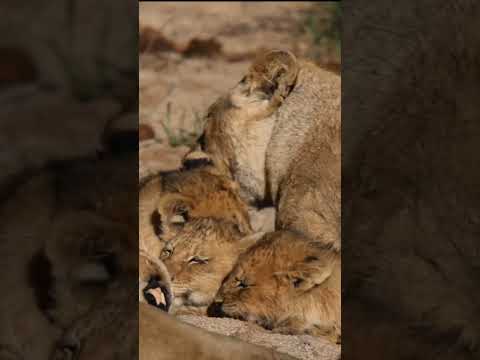
Licking keeps cubs clean, helps their bodies function, and creates a family bond. You’ll see a lioness use licking for hygiene, to prompt her cubs to pee and poop, and to make sure her scent sticks with them.
Hygiene and Disease Prevention
Right after birth, a lioness licks away birth fluids, dirt, and blood from her cubs. She does this to lower the risk of infection in wounds or the umbilical area.
Her saliva has natural enzymes and bacteria that help fight off bad microbes. Cubs have weak immune systems, so this really matters.
You’ll notice the lioness pay special attention to damp or dirty fur and those tricky skin folds. Keeping cubs clean also cuts down on smells that might attract predators.
In a pride, several females might groom the same cubs. That teamwork helps control parasites like ticks and fleas.
Stimulation of Bodily Functions
Newborn lion cubs can’t pee or poop on their own. You’ll often see a lioness licking her cub’s belly and rear to gently get things moving.
This action wakes up the cub’s muscles and nerves. The licking keeps going for weeks, until the cubs get stronger and more independent.
Mothers also lick cubs near the teats to help them find and latch on for feeding. Keeping these bodily functions regular helps prevent blockages and dehydration, which can be a real danger for tiny cubs.
Bonding and Recognition
Licking builds a strong social and emotional link between the lioness and her cubs. Every time she grooms them, her scent spreads across their fur.
That scent marks them as part of the pride and helps cubs recognize their mother among other females. You’ll see licking happen a lot during rest or after meals.
It calms the cubs and lowers stress. In prides where females share cub care, this licking helps cubs trust more than one adult and feel safe in the group.
Licking in Lion Social Life and Beyond Cubs

Licking and rubbing don’t just keep lions clean. They help pride members share scent and build trust.
These actions can even affect who eats first, who defends the group, and which cubs get the most protection.
Lions Licking Each Other and Social Structure
You’ll notice lionesses and young lions grooming each other after a hunt or when they’re resting. Licking removes blood and parasites, but it also spreads the pride’s scent.
That way, everyone knows who belongs—even in tall grass or at night.
Grooming usually focuses on spots that are tough to reach, like the face, neck, and belly. Lions who groom or get groomed more often usually have tighter bonds and better access to food.
Here’s a little pattern to watch for:
- When lions lick each other a lot, their bond is strong.
- If one lion does most of the licking, it might be showing submission or asking for attention.
- Big group grooming sessions usually pop up after feeding or hunting.
Paying attention to these cues can help you guess which lions will team up for hunts or form alliances in the pride.
Male and Female Lion Licking Behaviors
Male lions don’t groom as much as females, but when they do, it matters. You’ll see males lick cubs or females now and then, especially if they’re part of the pride.
This can signal tolerance and lower the risk of males harming cubs.
Female lions handle most of the grooming. You’ll spot lionesses cleaning cubs, sharing motherly duties, and grooming each other to keep the group tight.
Males usually stick to scent marking and quick social licks during greetings. If a male licks a cub, it’s probably a sign he accepts the cub or wants to keep the peace with the mothers.
Head Rubbing and Additional Bonding Rituals
Head rubbing—some folks call it bunting—goes hand in hand with licking and really helps you figure out who’s in the group. When lions press their foreheads together or rub cheeks, they swap scents from those facial glands.
You’ll notice the length and frequency of rubbing says a lot about their bond. Sometimes rubbing comes before licking, sometimes after; it definitely plays into group identity.
Picture this: lions rubbing heads when they greet each other after a hunt or after being apart for a while. These little rituals give you a glimpse into how the pride sticks together and who seems to lead or smooth things over.


