
Ever had a coyote bark at you? It’s definitely a little unnerving. Coyotes bark for a few reasons, but when they bark at people, they’re usually warning you to back off or protecting their turf. It’s really just their way of saying, “Hey, this is my spot,” or maybe sounding the alarm if they feel you’re a threat.
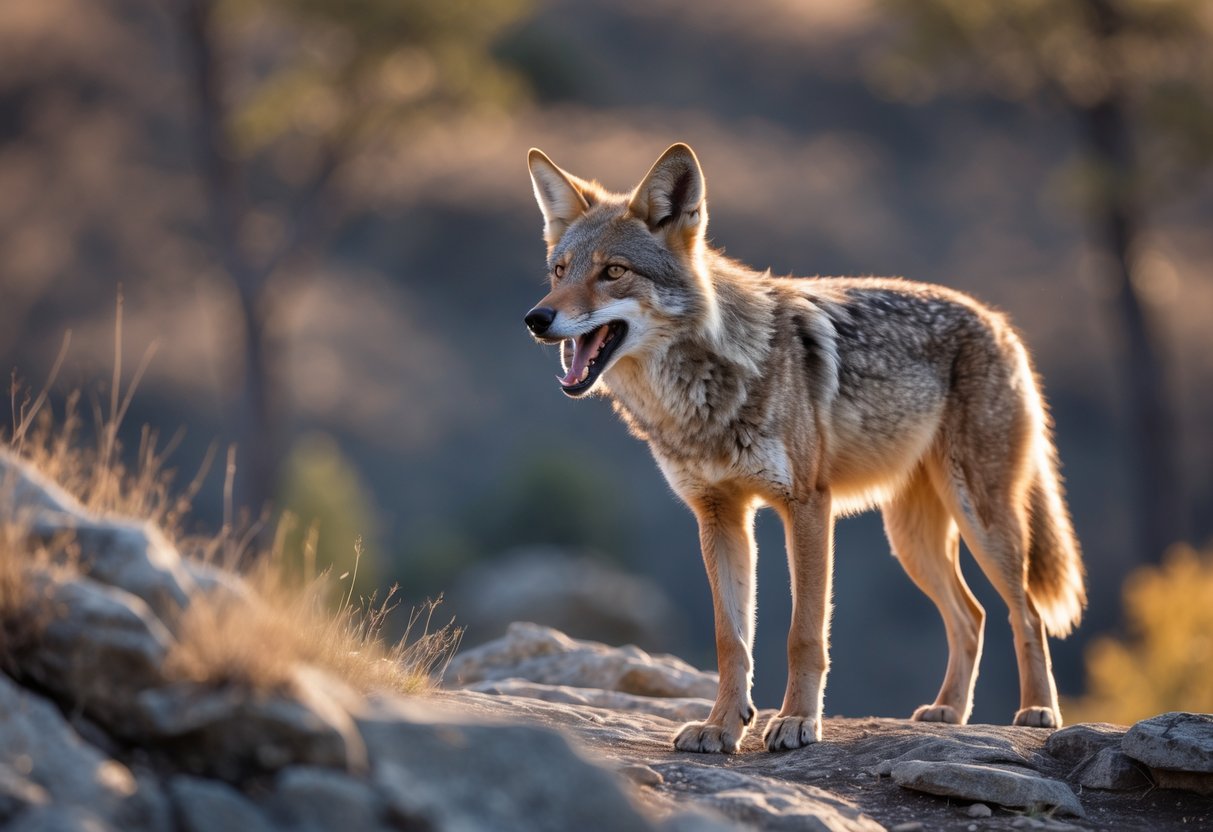
Coyotes are clever and have all sorts of sounds for talking to each other—and to other animals too. If you hear a coyote bark at you, it’s probably because growling didn’t work and it’s stepping things up. Knowing why they bark can help you keep your cool and react the right way.
You might notice their barks sound a lot like a dog’s, but each coyote has its own unique twist. Getting familiar with these sounds gives you a better sense of what these wild neighbors are trying to say. Curious about what to do if a coyote barks at you? Stick around for more.
Why Do Coyotes Bark at People?
Coyotes bark for a few reasons when they run into people. Sometimes it’s a warning, sometimes it’s defense, and sometimes it’s just talking to their family.
If you know what’s behind the barking, you’re less likely to panic and more likely to stay safe.
Territorial Behavior and Warning Signals
Coyotes bark to claim and protect their turf. When you hear a sharp, loud bark from a coyote, it’s probably warning you to keep your distance.
They use this sound to tell animals—and people—that you’re close to their home or hunting area.
Coyotes defend their space from intruders by raising their hackles and standing tall while they bark. If you spot a coyote barking at you from a distance, just give it some space.
They don’t always want to attack; most of the time, they’re just saying you’re too close.
Perceived Threats and Agitation
Coyotes get more vocal if they think you’re a threat. Loud noises, sudden moves, or even pets can make them edgy or defensive.
That’s when you might hear a bunch of yips or barks as they try to scare you off.
If you’re near their den or pups, you’ll probably hear more aggressive barking. It’s sharper, and it comes more often.
The coyote wants to warn others and make sure you don’t come any closer.
Communication Within the Coyote Family
Coyotes also use barking to chat with each other. If you hear a mix of barks, yips, and howls, they might be passing along news about food, danger, or where they are.
When a coyote finds something to eat, it can bark to call its family over. Family groups rely on these sounds, especially when they’re hunting or moving together.
Barking keeps the pack in sync, even when they’re spread out.
Differences Between Eastern and Western Coyotes
Eastern and Western coyotes are both Canis latrans, but their barking habits aren’t quite the same. Eastern coyotes—mostly in the northeastern U.S. and Canada—are bigger and sometimes a bit more wary around people.
Western coyotes, found in the central and western U.S., use barking more often to defend their territory. Their calls are usually louder and more frequent, probably because they live in more open spaces.
If you know which type you’re dealing with, it’s easier to predict how a coyote might act. Both bark as a warning, but their comfort levels around people can vary.
You can dive deeper into coyote barks and behaviors here.
Understanding Coyote Barking: Vocalizations and Human Interactions

Coyotes have a whole toolkit of sounds for talking to each other, especially if they feel threatened or want to send out a warning. You’ll hear sharp barks, yips, and those classic long howls—each with its own purpose.
These sounds often pop up when coyotes react to people or animals near their turf.
Types of Coyote Sounds and Their Meanings
Coyotes have about 11 main vocalizations, and barking is one of the big ones for alerting others. Their barks come out short and sharp, sometimes mixed with yips or howls to signal danger or protect their space.
If a coyote spots a person or dog, it might bark to warn the family. The barks help everyone in the group get a sense of how serious the threat is.
Coyote barks can change in tone and rhythm depending on their mood or what’s happening. Yips sound higher and usually mean excitement or calling pups.
Howls are longer and help family members stay in touch or claim their territory.
Comparison with Wolves and Other Wild Animals
Wolves mostly howl, using it to organize big pack moves and mark their territory. Coyotes, though, rely more on barks mixed with yips.
Their barks are sharper, and their howls come in short bursts called group yip-howls.
If you compare coyotes to other wild animals like foxes or bobcats, you’ll notice coyotes have a wider range of sounds. This lets them adapt to living near people, since their vocal signals can quickly warn relatives or drive off intruders.
Wolf howls sound deeper and more drawn out, while coyote sounds are lighter and more varied. That difference really shows how each species fits into its own world.
Role of Group Yip-Howl in Coyote Communication
Coyotes have this wild group yip-howl—a call where a bunch of sounds jumble together. Usually, the alpha pair kicks things off, and the rest join in with howls, yips, and barks that bounce up and down in pitch.
Family members use this call to stick together and let others know, “Hey, this is our spot.” When other coyote groups hear it, they’ll often answer back with their own yip-howls to stake out their turf.
If you ever hear a group yip-howl, you’re catching coyotes showing off their unity and strength. It’s not just noise—each coyote’s voice stands out, so they can tell who’s who even from way off.
Honestly, it’s pretty clever. This sound keeps families connected and helps them avoid fights with neighbors.
Curious for more? Check out this detailed coyote vocalization guide.


