
Ever notice how chipmunks just seem to vanish from your yard or the woods nearby? It feels a bit odd, right? But honestly, it’s normal. Chipmunks head underground when it gets cold, slipping into a light sleep called torpor that helps them get through winter.
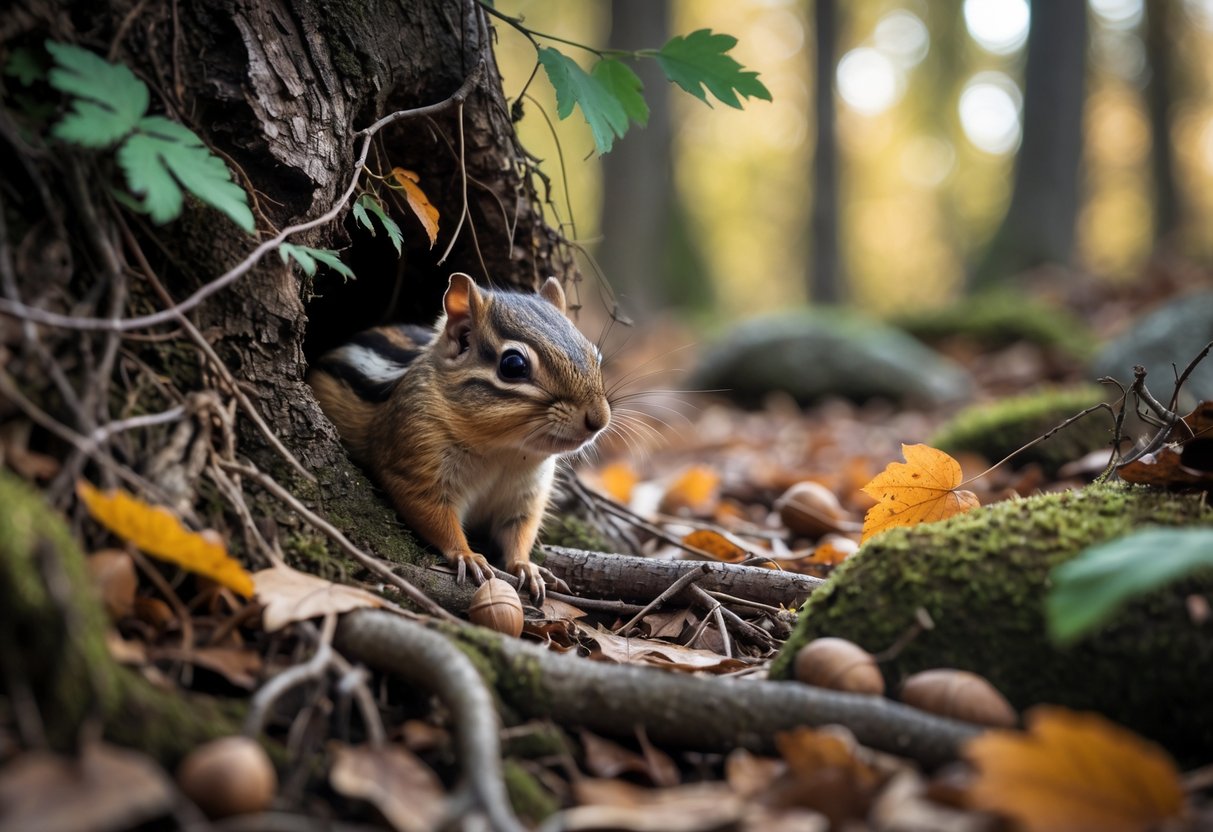
You might see fewer chipmunks after a year with a bad nut or seed harvest. Their food supply really shapes how many of them you’ll notice. Predators and tough weather can also knock their numbers down some years.
If your chipmunk pals go missing and you’re left wondering where they went, you’re not alone. There’s a lot happening underground that keeps this cycle rolling. Take a look at this explanation about chipmunk disappearances in winter and beyond if you want even more details.
Main Reasons Chipmunks Disappear

Chipmunks don’t just disappear for no reason. They follow patterns and instincts that make them hide or stay out of sight. Stuff like changing seasons, nearby dangers, and their own natural cycles all play a part.
Hibernation and Winter Retreats
Eastern chipmunks (Tamias striatus) start gathering food in their burrows as fall creeps in. By the time winter hits, they’ve stashed away enough to get by for months.
Instead of a true hibernation, chipmunks drop into torpor. They mostly sleep but wake up now and then to snack on their stored food. You probably won’t spot many chipmunks above ground during the cold months. They seal up their burrow entrances and stay put until spring rolls around.
This underground retreat helps them survive when food is tough to find and the weather’s nasty.
Seasonal Activity Patterns
You’ll see chipmunks buzzing around mostly in spring, summer, and early fall. During these warmer months, they forage, stash food, and raise their babies.
Their tunnels get a workout as they dart in and out, searching for nuts, seeds, or even birdseed. When fall arrives and temperatures start to dip, chipmunks slow down and spend more time below ground. If it gets cold suddenly, they might vanish earlier than you’d expect.
So, if you look for chipmunks on a chilly day and come up empty, they’re probably cozy in their burrows. Their routine really sticks to the spring-to-fall rhythm.
Predators and Survival Threats
Predators like raccoons, cats, owls, and snakes hunt chipmunks. If more predators show up in your area, you’ll probably see fewer chipmunks around. Cats, especially, can make a dent in their numbers.
Food shortages and rough weather also make things harder for chipmunks. If food runs low, they might not survive the winter or might come out less often in the fall. Humans sometimes change chipmunk habitats, which affects how many stick around.
When chipmunks suddenly vanish, predators or tough survival conditions could be to blame.
For more on chipmunk habits, check out chipmunk winter behavior.
Life Underground and Notable Behaviors

You might notice chipmunks seem to vanish in the cold or act mysterious at times. Most of their lives happen underground, packed with things like digging tunnels, gathering food, and marking territory.
These habits, quirky as they are, help chipmunks (they’re in the squirrel family) survive and do pretty well.
Burrowing and Tunnel Systems
Chipmunks dig out pretty elaborate burrows. Some tunnels go about 3 feet deep and can stretch up to 30 feet long.
Inside, they set up different rooms for sleeping, food storage, and nesting. The entrance stays small—usually just 1 to 2 inches wide. They sometimes cover entrances with leaves to keep predators guessing.
Usually, you’ll find only one open entrance at a time. These burrows shield chipmunks from bad weather and hungry predators.
They spend most of the cold season inside their tunnels. You hardly ever see them out and about when temperatures drop.
Food Storage and Cheek Pouch Use
One of the funniest things about chipmunks? Watching them stuff their cheeks. Those cheek pouches stretch out to hold nuts, seeds, and berries.
They load up and dash back to their burrow, making trip after trip during the warmer months. All that hard work pays off in winter, letting them snack without leaving home.
Their diet’s pretty varied—acorns, mushrooms, insects, and sometimes even bird eggs. Storing food underground makes a huge difference when pickings get slim or the weather turns rough.
Solitary Nature and Territoriality
Chipmunks mostly keep to themselves. Each one defends its own territory, especially when they’re scrambling to gather food.
They rely on scents and gland markings to lay claim to their space and warn off any intruders. A chipmunk’s territory covers its burrow and the nearby spots where it forages.
You probably won’t catch chipmunks sharing tunnels or food stashes. Their need for solitude helps cut down on fights and competition for food.
Honestly, your backyard chipmunk is just a small, busy creature with a hidden world underground, clever food habits, and a real need for personal space.
For more detail, check out this article on chipmunk burrow systems and behavior.


