
If you’ve ever noticed a buffalo with a hump on its back, you might wonder why it is there. The buffalo hump is primarily an adaptation that allows these animals to store fat, which they use as energy reserves during tough times. This feature helps them survive in environments where food can be scarce.

In addition to buffalo, other creatures, including humans, can develop similar fat deposits due to various health issues like Cushing’s syndrome. This condition leads to an excessive amount of cortisol in the body, sometimes causing fat accumulation in specific areas. It’s interesting how both buffalo and humans experience these changes, albeit for different reasons.
Understanding why buffalo have a hump can reveal a lot about their behavior and survival strategies. You might find it fascinating how nature equips animals to deal with their surroundings and challenges. So let’s explore further into how buffalo humped shapes their lives!
Understanding the Buffalo Hump

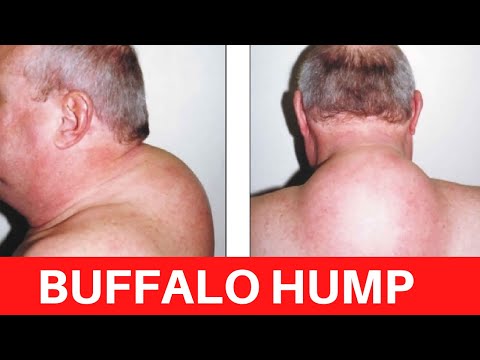
The buffalo hump refers to a noticeable fat accumulation at the back of the neck. Understanding its biological significance, causes, and related conditions provides insight into why this may occur in humans.
Biological Significance and Anatomy
The buffalo hump, or dorsocervical fat pad, is a unique anatomical feature. In buffalo, it serves as a storage site for fat, which can be used as energy reserves. This adaptation allows them to survive in environments where food is scarce.
In humans, the presence of a buffalo hump can indicate underlying health issues. It often occurs with conditions affecting fat distribution, such as Cushing’s syndrome and obesity. Maintaining good posture may help alleviate some discomfort associated with this condition.
Causes in Humans
In humans, several factors lead to the development of a buffalo hump. One primary cause is Cushing’s syndrome, characterized by high cortisol levels. This can result from adrenal tumors or long-term use of corticosteroids, like prednisone.
Other contributing factors include obesity and certain diseases, such as HIV. Lipodystrophy, a condition causing abnormal fat distribution, may also manifest as a buffalo hump. Rarely, conditions like Madelung’s disease can play a role too.
Distinguishing Pathological Conditions
It’s essential to differentiate the buffalo hump from other related conditions. For instance, kyphosis, characterized by an excessive curve in the spine, can resemble a buffalo hump. This sometimes leads to confusion with other terms like dowager’s hump, often seen in osteoporosis patients.
Conditions like kyphoscoliosis and high blood pressure may have overlapping symptoms. Thus, consulting with a healthcare professional is crucial for accurate diagnosis. Identifying whether the hump is due to a benign cause or linked to serious conditions is vital for your health.
Management and Treatment Options
When addressing a buffalo hump, several management and treatment options can help you. These approaches vary widely, from lifestyle changes to medical interventions. Understanding what suits you best is key to feeling better.
Non-Surgical Approaches
Non-surgical methods can be a great starting point for managing a buffalo hump. Medical evaluations are essential, which may include blood tests and imaging studies like MRI or x-rays. These help identify underlying conditions such as Cushing’s syndrome, often linked to high cortisol levels.
Adjusting your diet and incorporating weight-bearing exercises can significantly affect your overall health. A healthy diet contributes to weight loss, which may reduce the hump. Regular physical therapy can help improve mobility and strengthen surrounding muscles.
Also, consider making lifestyle changes, such as managing stress, as emotional well-being can impact physical health. In some cases, a medication adjustment might be necessary if glucocorticoid or antiretroviral medications are contributing to the hump.
Surgical Procedures and Therapies
If non-surgical options are not effective, there are surgical procedures that can help. Cosmetic surgery is one possibility, which involves removing excess fat from the area. Your surgeon may discuss options for anesthesia, such as general or mild sedation, to keep you comfortable during the procedure.
In addition, some medical treatments focus on addressing underlying issues, such as hormonal therapy or specific medications that regulate cortisol levels. Talk to your healthcare provider about the best approach for your situation.
Surgery can provide a significant improvement in appearance and may also enhance mobility, helping you feel better overall.
Living with a Buffalo Hump
Living with a buffalo hump can be challenging. It affects both physical and emotional aspects of your life. Finding effective coping strategies is important.
Learning about Cushing’s syndrome and its symptoms helps you understand your condition better.
Emotional changes like depression can occur. Seek support from friends and family. Joining support groups can also be beneficial. This allows you to share experiences with others facing similar challenges.
Consider ways to improve your quality of life. Participating in low-impact exercises can reduce strain while keeping you active. Keeping a positive mindset and focusing on your goals can make a big difference in how you manage the condition.


