
Bees sometimes fly towards you because they spot something interesting about you or your surroundings. They love sweet scents, bright colors, and even your natural body odor, which might remind them of flowers or food. If their hive is nearby, a few bees might even follow you around to keep an eye on things.

If you understand bee behavior, you can keep your cool when they buzz close. Honestly, bees usually just want to check you out, not hurt you.
Knowing why bees act this way can make your time outside a lot less nerve-wracking. You might even start to appreciate these little guys a bit more.
Ever wonder why bees don’t just leave you alone? Let’s dig into what draws them in and how you can keep your distance without causing a scene. For more details, visit why bees fly towards you.
Key Reasons Bees Fly Towards You

Bees come close for a handful of reasons. They’re searching for food, acting curious, or just protecting their home.
If you know what’s going on, you can stay calm and handle it better.
Attracted by Scents and Colors
Bees like honeybees and bumblebees love strong smells. Perfumes, lotions, or even your sweat can draw them in. They’re always on the hunt for nectar and pollen, so sweet or floral scents make you seem like a walking buffet.
Bright colors—especially yellows, whites, and pastels—look like flowers to bees. If you wear these, you might catch their attention. Dulling your colors and skipping strong perfumes can help keep them away.
Mistaking You for a Flower
Sometimes bees get confused and think you’re a flower. Shiny skin or patterned clothes can reflect light in a way that tricks them.
If you’re outside near plants or gardens, you’re more likely to get mistaken for a blossom. Bees are just foraging for nectar and pollen, so they might come close to see if you’ve got something tasty.
Your natural scent, mixed with your body heat, can make you seem like a potential flower. Honeybees and bumblebees, with their sharp sense of smell, fall for this the most.
Exploratory and Curiosity Behaviors
Bees act curious. When something new pops up—like you—they’ll fly around to check it out.
If you move slowly, they might hover or circle you just to see what’s up. This is how honeybees and bumblebees learn about their world.
Stand still, and a bee might land on you for a second to investigate. They don’t usually bite or sting unless you freak them out.
Staying calm and not making sudden moves helps bees feel safe during their little inspection.
Defensive Actions Near Hives
Get close to a hive, and bees get protective. Honeybees might buzz near your face or body as a warning.
Guard bees can get aggressive if they think you’re a threat. When they feel scared, bees release alarm pheromones, which brings more bees over.
If that happens, try to walk away slowly and don’t swat at them. Running usually just encourages them to chase.
Knowing this defensive side of bees can help you dodge stings. For more tips, check out this article about bees’ defensive actions near hives.
Identifying Bees and Other Insects
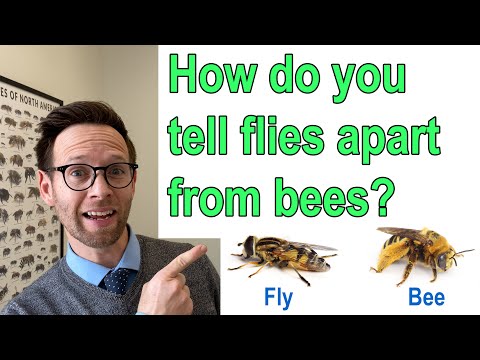
When something buzzes near you, it helps to know if it’s a bee or something else like a wasp or hornet. They might look similar, but their behavior can be pretty different.
If you can spot the differences, you’ll stay safer and maybe even gain some respect for their role in nature.
Distinguishing Bees From Wasps, Yellowjackets, and Hornets
Bees have hairy bodies and fuzzy legs that help them collect pollen. They look rounder and aren’t very shiny.
Wasps, yellowjackets, and hornets have smooth, shiny bodies with skinny waists. They look more intense and usually have bright yellow with black stripes.
Key differences to spot:
| Feature | Bees | Wasps/Yellowjackets/Hornets |
|---|---|---|
| Body hair | Fuzzy, hairy | Smooth, less hair |
| Body shape | Rounder, thicker | Slimmer, with narrow waist |
| Behavior | Pollinating flowers, less aggressive | More aggressive, can sting repeatedly |
| Color pattern | Brown, black, or golden with stripes | Bright yellow and black stripes |
You’ll probably get stung less by bees since they only sting when they feel really threatened. Wasps and hornets, though, can get defensive, especially around food.
Recognizing Common Bee Species Around Humans
Most of the bees you spot are honey bees or bumblebees. Honey bees look small and slender, with golden-brown fuzz and dark stripes.
Bumblebees are bigger and rounder, covered in thick black and yellow fuzz.
Both types do a ton of pollinating and hang out around flowers. Honey bees build big hives, while bumblebees live in smaller colonies underground or in hidden places.
You might also run into solitary bees like carpenter bees. They look like bald bumblebees but don’t live in groups.
Knowing these species helps you figure out why they’re buzzing around and what they’re up to.
Sweat Bees and Attraction to Sweat
Sweat bees are pretty small, and you’ll often spot their metallic colors glinting in the sunlight. They absolutely love the salt in your sweat, so if you’re outside and sweating, don’t be surprised if one lands on your arm just to get a taste.
Honestly, these bees tend to be gentle. Most people won’t get stung unless they accidentally squish or bother them. They do their part as pollinators, even though they don’t get the same fame as honey bees or bumblebees.
If sweat bees keep bothering you, try wiping off sweat or wear lighter-colored clothes. That usually helps, at least a bit.
It helps to know this so you’re not startled next time a tiny bee gets close.
Want to dig deeper into why bees come near you? Check out why bees get close to you and what to do.


