
Bats often appear unexpectedly in your surroundings, especially at night when they are most active. They can suddenly enter homes or other areas when they find small openings to escape the heat or seek shelter. These nocturnal creatures are drawn to dark, warm spaces where they can roost and rest during the day.

If you’ve noticed these little flyers around your home, you might wonder what attracts them. Bats are drawn to areas with available food sources, like insects, and they often enter homes through cracks and gaps in walls, roofs, or other entry points. Understanding their habits can help you manage their visits and keep them where they belong.
When you see bats around, remember they are not out to cause trouble but are simply looking for a safe and warm place to roost. Learning why they appear can help you appreciate these fascinating creatures while keeping your home bat-free.
Understanding Bat Behavior and Habitats

Bats have unique behaviors and habitats that help them survive in various conditions. Their nocturnal nature, use of echolocation, hibernation practices, and chosen roosting sites are all key factors in their lives.
Nocturnal Activities and Echolocation
Bats are primarily nocturnal creatures. They come out at dusk to hunt and explore, making the most of the quiet night. This timing helps them avoid many daytime predators.
One of the most fascinating aspects of bat behavior is their use of echolocation. This ability allows them to navigate and find food in the dark. By emitting high-frequency sounds, they can detect objects around them. When these sounds bounce back, they can determine the distance, size, and shape of what’s nearby. This method is vital for their survival, especially when catching insects.
Hibernation and Body Temperature Regulation
During colder months, many bat species enter hibernation. This process helps them conserve energy when food sources are scarce. Bats can lower their body temperature significantly during this time, often dropping to near-freezing levels.
Their ability to survive in temperatures as low as 35 degrees Fahrenheit is impressive. However, if it gets too cold, they can freeze. Bats tend to seek out locations that maintain a stable temperature, like caves. These spots provide the insulation they need during hibernation.
Roosting Sites: Caves to Houses
Bats are versatile in their choice of roosting sites. You can find them in caves, hollow trees, and even attics of houses. These locations provide shelter, protection, and safety from predators.
Caves are ideal for many bats because they stay dark and humid. This environment is perfect for hibernation and raising young. On the other hand, bats might roost in homes for warmth and security, especially in urban areas. If you see bats in the house, remember they are just looking for a safe place to rest. Understanding their habits can help you manage interactions more effectively.
What Attracts Bats to Human Habitats

Bats can sometimes find their way into human homes and spaces. Understanding what draws these creatures can help you keep them away. Several factors can make your place appealing to bats, including food, water, and shelter.
Identifying Common Attraction Points
Bats are attracted to areas where they can find food and shelter. They often seek out locations that provide a good source of insects. If your yard has standing water or nearby gardens, it can draw in bugs that bats love to eat.
Shelters like attics, garages, and dark corners are also attractive to bats. They prefer to roost in quiet, undisturbed places. Check for any openings or gaps around your home, as these can become entry points for bats looking for a place to rest.
Bat Infestations and Entry Points Explored
If you notice bats hanging around your property, it’s essential to inspect for possible entry points. Bats can squeeze through small gaps, typically as small as ½ inch. Look for cracks in walls, gaps around windows, and holes in roofs.
Common areas include soffits, vents, and around chimneys. Multiple bats can enter through the same spot, leading to a potential bat infestation. Taking action to seal these entry points can help secure your home and keep bats outside where they belong.
Health Risks and the Importance of Efficient Bat Removal

Bats can carry health risks that are important to understand. By addressing these concerns swiftly, you can protect yourself and your home. It’s vital to grasp the dangers such as rabies and histoplasmosis and how to manage bat removal effectively.
Rabies and Histoplasmosis Concerns
Rabies is a serious viral disease that can be transmitted through bat bites or scratches. Although not all bats carry rabies, it’s crucial to avoid contact with them. If you suspect exposure, seek medical advice promptly.
Histoplasmosis is another alarming concern. This respiratory illness is caused by inhaling spores from bat droppings, known as guano. Symptoms may resemble the flu, but the effects can be severe, especially for those with weakened immune systems.
To minimize these risks, ensuring that bats are removed humanely and efficiently is essential.
Professional Pest Control and Bat Exclusion
Hiring professional pest control services for bat removal is often the best option. Trained experts can safely handle the removal process. They know how to manage health hazards associated with bats, ensuring that your space is both safe and clean.
Bat exclusion is an important part of the process. This means sealing potential entry points to prevent future infestations. Experts will assess your property for gaps or openings where bats could enter. Simple measures like installing screens on vents and securing chimneys can be effective.
The Role of Bats in the Ecosystem
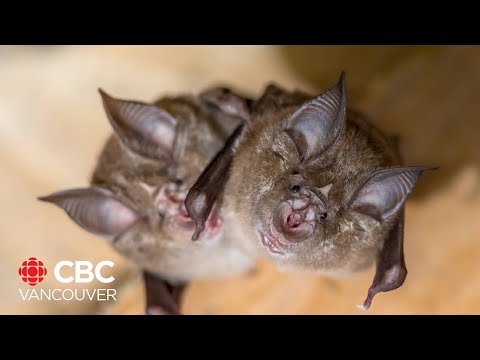
Bats play a crucial role in maintaining healthy ecosystems. They are often called nature’s pest controllers. By feeding on insects, they help to keep insect populations in check.
A single bat can eat thousands of insects in just one night. This feeding behavior benefits farmers by reducing the need for chemical pesticides.
Bat colonies also contribute to plant life. Many plants rely on bats for pollination and seed dispersal. This helps create new growth in forests and other habitats, promoting biodiversity.
Another important aspect is bat guano. Bat droppings are a natural fertilizer rich in nutrients. This helps enrich the soil, supporting plant growth. It’s a win-win for the environment!
Understanding the role of bats can change how you view them. Instead of seeing them as scary creatures, realize how essential they are to our ecosystem. You might even appreciate their nightly flights more, knowing what good they do!


