
Have you ever seen your Basset Hound lying flat on their belly with their legs stretched out behind them? This adorable pose is often called “splooting.”
Basset Hounds sploot to relieve pressure off their spines and hips, offering them comfort and relaxation. It’s a common behavior in this breed, which has a unique body shape with short legs and long bodies.

You might wonder why your dog prefers this position. Splooting occurs naturally as a way for dogs to find a cozy spot while stretching their muscles. It’s not just a cute habit; it serves a real purpose, allowing your Basset Hound to relax after playtime or a long walk.
Next time you catch your furry friend splooting, you’ll know they are enjoying a moment of comfort. This endearing behavior is a reminder of the ways dogs take care of themselves while providing a perfect blend of relaxation and cuteness.
Understanding the Sploot
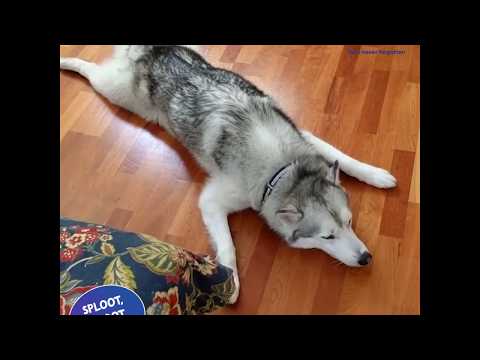
Splooting is a unique behavior many dogs show, including Basset Hounds. It’s a comfortable and relaxed position that not only provides physical benefits but also reflects a dog’s emotional state.
Let’s explore what splooting is, how it compares among different breeds, and its advantages for your furry friend.
Definition and Characteristics
Splooting is when a dog lies on its stomach with its hind legs stretched out behind them. This position looks similar to a split. It’s especially common in breeds with short legs and long bodies, like Basset Hounds, Corgis, and Dachshunds.
When your dog sploots, they may appear to be stretching while enjoying a comfortable rest. It indicates a state of relaxation. Moreover, splooting shows off your dog’s flexibility and can be a way for them to cool down, especially on warm days.
Splooting in Basset Hounds Vs. Other Breeds
Basset Hounds are not alone in their splooting behavior. Breeds like Corgis, Dachshunds, and French Bulldogs also frequently show this pose. The sploot position suits dogs with compact builds and shorter legs.
While all these breeds enjoy splooting, Basset Hounds often do it with their characteristic laid-back charm. Your Basset may sploot as a way to stretch their joints. This unique behavior can also help them feel secure in their environment, much like it does for other breeds.
Physical Benefits of Splooting
Splooting provides multiple physical benefits for your dog. It encourages stretching, which helps maintain joint mobility and flexibility. This is especially important for breeds prone to joint issues.
When your Basset Hound sploots, they relieve tension in their muscles. This position can promote overall physical well-being, ensuring they remain active and happy. Encouraging your dog to sploot might just be a fun way for them to relax while supporting their health at the same time.
Health and Splooting

Basset Hounds have unique body structures that can make them prone to certain health issues. Understanding the connection between splooting and joint health is important for your dog’s well-being. Pay attention to their behaviors and any signs of discomfort that could relate to their joints.
Common Joint Issues in Basset Hounds
Basset Hounds often face health predispositions linked to their unique anatomy. Two common joint issues are hip dysplasia and arthritis.
- Hip Dysplasia: This is a genetic condition where the hip joint doesn’t fit snugly into the hip socket. It can cause pain and stiffness over time.
- Arthritis: This is another frequent issue, especially in older dogs. It leads to inflammation in the joints, causing discomfort.
Regular veterinary check-ups can help catch these problems early. Keep an eye out for signs like reduced activity or difficulty in standing up after resting.
Spotting the Difference: Sploot or Discomfort?
It’s important to know if your dog’s splooting is normal or a sign of joint discomfort. When Basset Hounds sploot, it may be a way for them to stretch and relieve pressure on their back and hips.
To differentiate between splooting and discomfort, look for these signs:
- Relaxed Dog: Is your dog calm and comfortable while splooting?
- Vocalizations: Does your dog whine or yelp during movement?
- Posture Changes: Notice if your dog hesitates to get up or avoid certain movements.
If you see signs of discomfort or unusual behavior, consulting your vet is crucial.
Preventative Care for Joint Health
Taking care of your Basset Hound’s joints can help maintain their health and happiness. Here are some tips for preventative care:
- Weight Management: Keeping your dog at a healthy weight can alleviate strain on their joints.
- Proper Exercise: Engage in low-impact activities like walking. Avoid high-impact exercises that can stress their bodies.
- Joint Supplements: Talk to your vet about the benefits of supplements like glucosamine or omega-3 fatty acids.
These steps can help ensure your Basset Hound remains active and enjoys a healthy life. Regular attention to their joint health will contribute to their overall happiness.
Behavioral Aspects of Basset Hounds

Basset Hounds have unique behavioral traits that can impact their training and social interaction. These dogs are known for their stubbornness, which can pose challenges for pet owners. They also thrive on companionship and may experience separation anxiety if left alone too long.
The Stubborn Streak and Training Challenges
Basset Hounds can be quite stubborn. This trait often makes training a bit of a challenge for you. They may not respond immediately to commands, especially if they are distracted by an interesting scent or sound.
To succeed, use positive reinforcement techniques. Reward your dog with treats or praise when they follow your commands. Be patient; consistency is key. Keep training sessions short and engaging. This approach helps your Basset stay focused and willing to learn.
Companionship and Social Needs
Basset Hounds are social animals that require plenty of companionship. They enjoy spending time with their families and often bond closely with you. Leaving them alone for long periods can lead to boredom and undesirable behaviors.
To meet their social needs, consider engaging them in family activities. Regular walks and playtime are essential to keep them happy. You can also introduce your Basset to other dogs for social interaction. This helps them learn proper behaviors and reduces feelings of isolation.
Basset Hounds and Separation Anxiety
Separation anxiety is common in Basset Hounds. If you often leave your dog alone, you may notice signs such as howling, chewing, or even soiling in the house. These behaviors result from frustration and stress.
To help manage separation anxiety, slow down the process of leaving your dog alone. Start with short periods and gradually increase the time. Create a cozy space with toys and a comfortable bed.
Crate training can also help them feel secure when you are away. Engaging them in physical and mental activities before leaving can reduce anxiety, making the time apart easier for both of you.
Caring for Your Basset Hound

Taking care of your Basset Hound involves attention to their unique needs. Proper nutrition and exercise help maintain their health. Regular grooming and comfort measures are essential for their overall well-being.
Nutrition and Exercise Regimes
Basset Hounds are prone to obesity due to their slower metabolism and love for food. To keep your dog healthy, provide a balanced diet rich in protein and controlled in calories. Look for high-quality dog food and follow the feeding guidelines based on your dog’s weight.
Daily exercise is crucial. Aim for at least 30 minutes of moderate activity, like walking. Engaging them in scent-based games can keep their natural instincts sharp while keeping them fit. Avoid over-exercising, especially in hot weather, as Basset Hounds can struggle with heat due to their dense bodies.
Maintenance and Grooming Tips
Grooming your Basset Hound requires regular attention. They shed moderately throughout the year, so brush their coat weekly to minimize hair around your home. This habit also helps to check for any skin irritations or issues.
Their long ears need special care. Regular ear cleaning prevents infections, which Basset Hounds are susceptible to due to their floppy ears. Use a vet-approved ear cleaner and check their ears weekly. Additionally, watch for signs of hypothyroidism, which can affect their coat condition and weight.
Fostering Comfort and Relaxation at Home
Creating a cozy space for your Basset Hound is key to their relaxation. Provide a comfortable dog bed in a quiet area of your home. These dogs enjoy lounging as much as they love to play.
Basset Hounds have a calm temperament and can be great family dogs. Encourage a relaxing environment with soft music or gentle toys. Positive reinforcement during training helps build their confidence. Set aside time for cuddles or gentle petting, enhancing their comfort and reinforcing your bond.


