
If you have a Basset Hound, you might wonder how much walking they need to stay healthy and happy. These lovable dogs have a unique mix of short legs and big hearts, which shapes their exercise requirements. Typically, Basset Hounds need about 30 to 60 minutes of exercise each day. This includes walks and playtime to keep them engaged and fit.
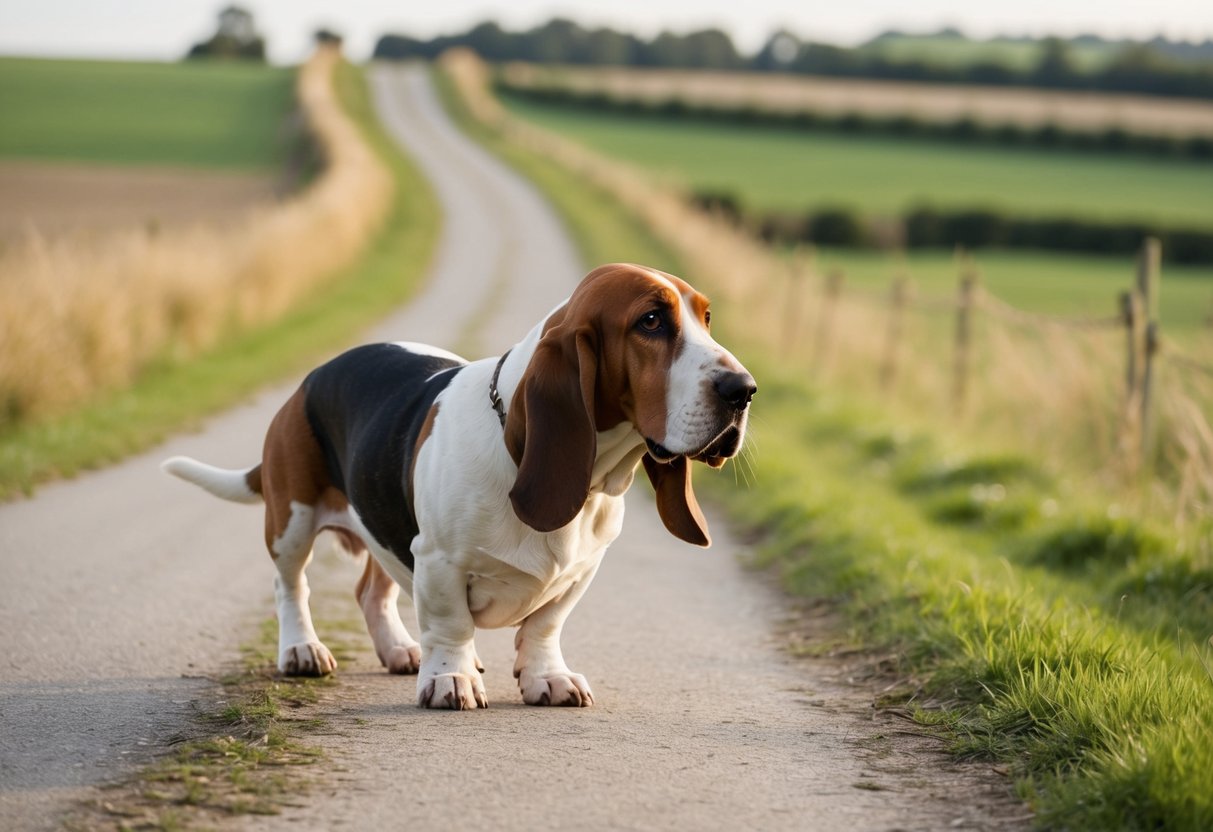
Understanding your Basset Hound’s exercise needs is crucial for their overall well-being. Regular walking not only helps them maintain a healthy weight but also provides them with mental stimulation. Whether it’s a leisurely stroll around the neighborhood or a trip to the dog park, finding the right balance of activity can make a big difference.
As you plan your walks, consider your dog’s age and energy level. Older Basset Hounds may require less exercise compared to younger ones, but they still benefit from daily movement.
Understanding Basset Hounds

Basset Hounds are unique dogs with specific traits and health needs. Knowing about their characteristics and health considerations can help you care for your furry friend better.
Characteristic Traits
Basset Hounds are easily recognizable due to their long ears and droopy faces. They are friendly, laid-back, and make great family pets.
These dogs are known for their strong sense of smell, often used in hunting. This trait drives them to explore and sniff around.
Basset Hounds can be stubborn, so training might require patience. They thrive on companionship, so spending time with them is essential.
Due to their short legs, Basset Hounds may not run as fast as other breeds. They do enjoy leisurely walks, which is perfect for keeping them happy and engaged.
Health Considerations
While Basset Hounds are generally healthy, they can be prone to joint issues and hip dysplasia. Regular vet check-ups are important to monitor their health.
Maintaining a healthy weight is crucial. These dogs love to eat, which can lead to obesity if not managed. Overweight Basset Hounds may struggle with mobility and experience more joint pain.
You should also keep an eye on their ears. The long ears can trap moisture and dirt, leading to infections if not cleaned regularly.
With proper care, you can help your Basset Hound live a happy and healthy life.
Exercise Needs and Routine

Basset Hounds require a balanced exercise routine to stay healthy and happy. Understanding their daily walking requirements and the intensity of their exercise can help you meet their needs effectively.
Daily Walk Requirements
Your Basset Hound should get at least 30 to 60 minutes of walking each day. This can be broken into shorter walks if needed. For instance, you might take a brisk 15-minute walk in the morning and another in the evening.
Regular walks are crucial for maintaining your dog’s stamina and preventing boredom. If Basset Hounds do not get enough activity, they may become mischievous or gain weight. You can also include fun activities like playing fetch to keep things interesting.
Exercise Intensity and Duration
When it comes to exercise intensity, aim for moderate activity. Walk at a steady pace, avoiding excessive running, especially for older Basset Hounds.
You might include short bursts of play or running, around 5-10 minutes, after walking. This helps improve their endurance without overexerting them. Remember to monitor their energy levels and adjust the routine as needed.
In warm weather or for seniors, shorter, more frequent walks might be better. Keeping your Basset Hound engaged will help maintain their well-being and ensure they have a fulfilling exercise routine.
Training and Mental Stimulation

Training your Basset Hound is important for their well-being. It helps them learn good behaviors and provides mental challenges that keep them engaged. Using positive reinforcement can make this process enjoyable for both of you.
Positive Reinforcement Techniques
Positive reinforcement is one of the best ways to train your Basset Hound. This method encourages good behavior by rewarding your dog when they do what you want. Rewards can be treats, praise, or playtime.
When teaching commands, start with simple ones like “sit” or “stay.” Use a treat to lure them into position, then reward them immediately when they succeed. Keep training sessions short, around 5-10 minutes, to maintain their focus.
Consistency is key. Always use the same command for each action. This clarity helps your Basset Hound understand what you want. Over time, they will respond to your cues more reliably.
Engaging Activities
Engaging your Basset Hound in fun activities is vital for their mental stimulation.
One way to do this is through puzzle toys. These toys challenge your dog’s mind and can keep them occupied for a while. Look for toys that require them to solve a problem to get a treat.
You might also consider dog sports like agility training. These activities not only provide exercise but also encourage obedience.
Make it a game by setting up a small course in your backyard, which can be very enjoyable for both you and your dog.
Mixing training with play keeps your Basset Hound interested.
Regular mental challenges will help reduce boredom and improve their behavior at home.


