
Basset Hounds are known for their adorable droopy ears and gentle personalities. If you’re thinking about bringing one into your home, it’s important to know that they can have specific health problems. Basset Hounds do face a range of health issues, including hip dysplasia and certain inherited conditions.

Learning about these potential problems can help you prepare and provide the best care for your furry friend. As loving companions, Basset Hounds deserve a chance at a happy and healthy life, so understanding their needs is key. You’ll find tips and insights that will help you keep them healthy and thriving.
Your knowledge can make a big difference. By being aware of these health concerns, you can take steps to ensure your Basset Hound lives a long and happy life with you. Let’s explore some of the common issues that may affect them.
Common Health Problems in Basset Hounds

Basset Hounds are lovable companions, but they can be prone to various health problems. Understanding these issues helps you take better care of your furry friend. Here are some common health conditions that can affect Basset Hounds.
Intervertebral Disc Disease in Basset Hounds
Intervertebral Disc Disease (IVDD) is a serious condition that affects the spine. In Basset Hounds, their long backs make them vulnerable to this issue. The discs between the vertebrae can become herniated, causing pain, weakness, or even paralysis.
Signs you might notice include difficulty walking or jumping, and sometimes not wanting to move. If you observe these symptoms, it’s essential to consult your vet promptly. Treatment can range from rest and medication to surgery in severe cases, so quick action is important.
Hip and Elbow Dysplasia
Hip and elbow dysplasia are common health problems in Basset Hounds. This condition occurs when the joints do not form properly, leading to pain and mobility issues. It can develop as early as puppyhood.
Signs to watch for include difficulty getting up, limping, or reluctance to exercise. Maintaining a healthy weight can help ease the strain on their joints. Regular vet check-ups can also monitor these conditions so your Basset Hound stays happy and active.
Ear Infections and Skin Issues
Basset Hounds are known for their long, droopy ears. This beautiful feature can lead to ear infections if not maintained properly. Poor air circulation can create a warm and damp environment, perfect for bacteria and yeast to thrive.
You should inspect your Basset’s ears regularly for redness, odor, or discharge. Cleaning them gently can help prevent infections. Skin issues such as eczema can also occur. These can result from allergies or skin folds trapping moisture. Regular grooming is essential to keep their skin healthy.
Eyesight Challenges
Basset Hounds can face eyesight challenges as they age. Common issues include ectropion, where the eyelids droop, and entropion, where they fold inward. Both conditions can lead to irritation and possible eye infections.
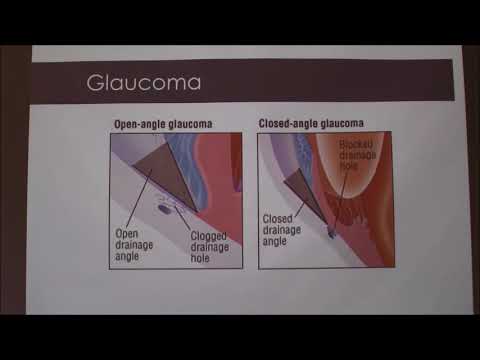
Additionally, Basset Hounds are susceptible to cataracts and glaucoma. Regular eye exams are crucial to catch these problems early. If you notice changes in your dog’s vision, such as bumping into things or reluctance to go outside, a vet visit is necessary. Your vet can recommend treatment options to help protect your Basset Hound’s eyesight.
Factors Contributing to Basset Hound Health Issues
Basset Hounds can face several health issues linked to their lifestyle and genetic background. Awareness of these factors can help you keep your furry friend healthy and happy.
Obesity and Dietary Concerns
Obesity is a significant issue for Basset Hounds. Their adorable droopy eyes and sad expressions make it hard to resist giving them treats. However, overindulging can lead to excess weight, which affects their joints and overall health. A proper diet is crucial.
You should provide high-quality dog food that meets their nutritional needs. Watch portion sizes and avoid feeding table scraps. Incorporating fruits and vegetables can be a great way to add nutrition without too many calories. Regular exercise also plays a key role in maintaining a healthy weight.
Genetic Predispositions
Basset Hounds have certain hereditary conditions that can impact their health. One of the most common issues is hip dysplasia, which occurs when the hip joint doesn’t fit together properly. This can result in pain and mobility problems.
Other genetic concerns include ear infections and obesity, which can be worsened by their body structure. Their long ears can trap moisture, leading to bacteria growth. Regular vet check-ups can help identify and manage these conditions early. Knowing their genetic background can prepare you for possible health challenges.
Preventing and Addressing Health Challenges

Keeping your Basset Hound healthy involves regular check-ups, proper exercise, and good grooming practices. Taking these steps can make a big difference in managing health challenges specific to this breed.
The Importance of Regular Veterinary Visits
Regular veterinary visits are essential for early detection of health issues. Basset Hounds are prone to certain conditions, and routine check-ups allow for timely interventions. Your vet can monitor your dog’s weight, check for joint problems, and look for signs of ear infections, which are common in this breed.
During these visits, keep an eye out for vaccinations and preventive treatments. Discuss dental care, as Basset Hounds are more likely to suffer from dental disease. Over time, consistent veterinary care can lead to a healthier and happier life for your furry friend.
Exercise, Training, and Socialization
Basset Hounds need regular exercise to maintain mobility and prevent obesity. Aim for daily walks and playtime in a secure area. Too much exercise for young puppies can cause joint issues, so be cautious with their activity levels.
Training is also crucial for Basset Hounds. Start early to encourage good behavior and obedience. Socialization with other dogs and people helps reduce anxiety and promotes balance in their personality. Consider joining puppy classes to enhance this experience.
Home Care and Grooming
Grooming plays a vital role in the health of your Basset Hound. Regular brushing helps manage shedding and keeps their coat healthy. This breed’s floppy ears require special attention to prevent infections. So, check and clean them according to your vet’s advice.
Dental care is also important. Brush your dog’s teeth several times a week to prevent dental disease. Providing dental treats can help reduce plaque buildup. By maintaining good grooming habits, you contribute to your dog’s overall health and comfort.


