
Let’s say you run into a chimpanzee—your first instinct might be to flash a friendly smile. But here’s the thing: chimps don’t see a smile the way we do.
If you show your teeth, a chimp might take it as a sign of aggression or fear, not as a friendly hello. That can confuse the chimp, or worse, make it feel threatened.

Chimps use their faces in ways that don’t really line up with human expressions. What you think of as a smile might actually be a “fear grimace” or a signal of submission for them.
If you get this, you’ll avoid misunderstandings and keep yourself safer around these powerful animals.
Why shouldn’t you smile at a chimp? It’s a small thing, but it matters for respecting their world.
Learning about their communication style changes how you act around them. It’s honestly kind of fascinating how different we are.
Why Smiling at a Chimpanzee Is Misunderstood
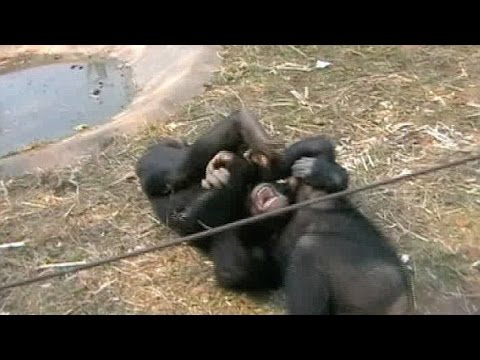
If you smile at a chimpanzee, you’re not sending the message you think you are. Their expressions have different meanings.
What feels friendly to you could be confusing or even threatening to them. The way chimps see your smile, what their own teeth-baring faces mean, and the risks involved all make smiling a complicated move.
How Chimps Perceive Human Smiles
Chimps don’t see a human smile as something happy. Instead, showing your teeth might look like a challenge or a threat.
They read faces differently from us. If you make direct eye contact and show teeth, a chimp might think you’re being aggressive or trying to act dominant.
You might mean well, but the chimp could just feel uneasy or even unsafe. Even a warm grin can make things awkward.
Their social signals are unique, and honestly, they just don’t match ours.
The Fear Grimace and Social Signals
Chimps sometimes pull their lips back and show their teeth in what’s called a “fear grimace.” But that’s not a happy smile.
It’s their way of showing fear, stress, or submission when they want to avoid trouble. This grimace can look like a smile to us, but it means the chimp’s uncomfortable or scared.
In chimp groups, teeth-baring keeps social order. Lower-ranking chimps use it to show submission.
Higher-ranking ones might show teeth in more aggressive ways. It’s a complex system, and context really matters when you see a chimp’s teeth.
Potential Dangers of Smiling at Chimps
If you smile at a chimpanzee, you could send the wrong signal. The chimp might think you’re challenging it, which could lead to defensive or even aggressive behavior.
Chimps are strong and can react quickly if they feel threatened.
Try not to make sudden moves or bare your teeth. That can make things tense fast.
Staying calm and moving slowly is just safer for everyone. If you get this, you’ll have a better shot at a peaceful interaction.
If you want to dive deeper, check out why you shouldn’t smile at a chimpanzee.
Differences Between Human and Chimpanzee Expressions

If you compare the faces of humans and chimps, you might spot some similarities. But honestly, the meanings behind those expressions are worlds apart.
Getting these differences helps you avoid mixed signals when you’re around chimps.
Meanings of a Human Smile Versus
Body Language and Communication
Chimpanzees don’t just rely on their faces to communicate. They use body language all the time to share how they feel or what they want.
Take direct eye contact for instance—it usually comes across as a challenge or even a threat to a chimp. If you want to keep things relaxed, it’s better not to stare.
You’ll probably spot gestures like these:
- Gentle touching or grooming—they’re showing friendship.
- Stiff postures or pounding the ground? That’s dominance or maybe anger.
If you pay attention to both their faces and the way they move, you’ll start to pick up on what a chimpanzee really means. It’s not just about facial expressions.
Want to dig deeper? Check out how chimpanzee social signals might totally change the way you see something as simple as a smile.


