
Most people picture the male lion as the strongest, probably because of his size and that impressive mane. But honestly, size isn’t the whole story — male lions have more raw power, while lionesses are faster, more agile, and actually do most of the hunting.

Let’s talk about muscle, speed, teamwork, and each lion’s role in the pride. The idea of “strength” really depends on what you’re looking for. Raw power? Hunting skill? The answer shifts depending on the situation.
Strength Comparison: Lion vs Lioness

Let’s break down how size, muscle, mane, speed, and behavior shape strength for both male and female lions. Here’s where the lion gets an advantage, and where the lioness can match—or even outdo—him.
Physical Differences and Muscle Mass
Male lions usually weigh more than females. Adult males often tip the scales at 150 to 250 kg (330–550 lb), while lionesses are lighter, around 120 to 180 kg (265–400 lb).
That extra mass gives males more brute force for pushing, fighting, and holding territory.
Muscle placement matters too. Males have thicker neck, shoulder, and forelimb muscles, which help in fights with rivals.
Lionesses, though, have a leaner build and stronger hindquarters—perfect for sprinting and twisting during hunts. Pound-for-pound, a lioness packs a lot of power because her muscles are built for quick bursts and endurance.
If you put them head-to-head in a strength contest, the male probably wins. But for speed, coordination, or repeated effort, the lioness often comes out on top.
Mane and Its Protective Advantages
The mane gives male lions a pretty clear advantage in fights. A thick, dark mane protects the neck and throat—those vulnerable spots in combat—and can absorb bites and claw swipes.
That extra protection helps a male survive attacks that might seriously injure a female.
The mane isn’t just about fighting, though. A darker, fuller mane signals maturity and health to rivals and to lionesses, so other males might think twice before challenging him.
But there’s a downside: the mane adds weight and can trap heat, which cuts down on stamina, especially when it’s hot out. Not every male has the same mane, either—genetics, age, and climate all play a role.
Stamina and Agility
Lionesses usually have better stamina and agility during hunts. You’ll see them run faster in short bursts, weave through grass, and keep up the chase over longer distances.
Their lighter bodies and lean muscles help them accelerate and change direction quickly behind prey.
Male lions tend to rest more and save energy. They can unleash powerful bursts, but their endurance drops off during long chases.
Their bigger size and mane mean they overheat faster. In group hunts, lionesses do most of the running and flanking, while males might step in to help finish off big prey.
Stamina ties back to their roles. Lionesses hunt more often, so their bodies adapt for repeated effort. Males focus on defense and short, intense fights.
Factors Influencing Individual Strength
Strength isn’t just about gender. Age, health, and social status all play a part.
Young adult males reach peak muscle after full maturity, but older males lose condition from injuries or parasites. Pregnant or nursing lionesses might have less strength and stamina for a while.
The environment matters as well. What they eat and the size of their territory affect how much energy they have.
In prey-rich areas, lions stay in better shape. Where food is scarce, both males and females can get underweight and weaker.
Injuries, disease, or worn teeth can really change who comes out on top.
Temperament and experience count, too. An older, skilled lioness with a tight-knit team can out-hunt or outlast a younger, less experienced male in plenty of situations.
Roles and Skills Within the Pride
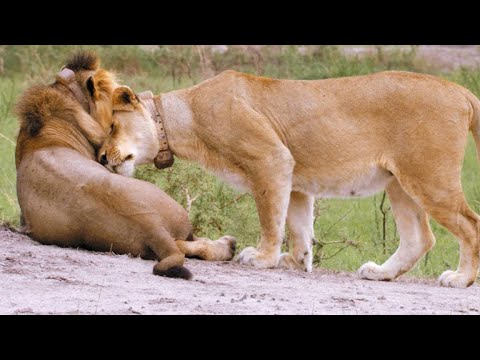
Let’s look at who hunts, who defends, and how lions work together. These roles shape daily life for cubs, mating males, and the pride’s long-term survival.
Social Structure and Pride Dynamics
A pride usually centers around related females who stick together for years. Lionesses—often sisters, mothers, and daughters—form the stable core.
They share duties like caring for cubs, nursing, and watching over sleeping young while the others hunt.
Males join as coalitions and defend the pride’s borders. A coalition of one or a few males handles mating rights and fights off rivals.
When a new group of males takes over, they might kill cubs to bring the females back into estrus. Brutal, but that’s nature.
Older lionesses guide younger ones during hunts and teach cubs how to behave.
In places like Kruger National Park, researchers see these social bonds shape territory size and pride structure.
Hunting Strategies and Cooperative Hunting
Lionesses do most of the coordinated hunting. They use stealth, teamwork, and smart positioning: some drive prey, others wait in ambush.
This teamwork keeps the chase short and raises their odds of catching big prey like buffalo.
Lions usually hunt at dusk or at night when it’s cooler and easier to sneak up on prey. Watching a hunt, you’ll notice it’s all about quick sprints and close-range tackles—not marathon chases.
Males join hunts when the prey is really big or when extra muscle helps.
Cooperative hunting also helps cubs learn. Young lions practice stalking and pouncing while adults supervise.
A successful hunt feeds everyone and shapes social standing at the kill.
Territorial Defense and Coalitions
You’ll probably notice that males usually take the lead when it comes to defending territory. They walk the borders, patrol scent marks, and let out those deep roars at dawn.
Male coalitions don’t just hang around—they actively defend borders from rival males who want access to mates. Sometimes, these coalitions control more than one pride inside their territory.
Lionesses aren’t passive bystanders, either. They defend dens and cubs with serious determination.
If outsiders threaten the cubs, the lionesses will group up and drive those attackers off. There are even cases where females have killed intruding males to protect their young.
So, what’s the deal with coalitions? Well, strong male partnerships really matter. They lower the risk of takeovers, help cubs survive, and make sure mating rights stay inside the group.
This all shapes which genes get passed on to the next generation. If you want to dig deeper, check out some articles about lion pride hierarchy and social bonds.


