
Ever wondered who’s stronger—a chimpanzee or an orangutan? You’re definitely not the only one. Both of these apes have some impressive muscle, but honestly, they put it to use in pretty different ways.
When it comes to raw power, orangutans actually outmatch chimpanzees, especially in upper body and pulling strength.

You might guess that chimps, with their speed and feisty attitude, would take the crown. But orangutans? Their bigger muscles and tree-swinging lifestyle really give them the upper hand in pure strength.
Curious about the details behind their strength and what makes each one unique? Let’s dig in.
Chimpanzee vs Orangutan: Strength and Physical Comparisons

When you line up chimpanzees and orangutans side by side, you’ll spot some clear differences in their build and strength. Both have muscles tailored to their needs, but they use them differently.
It’s pretty interesting to look at their muscle power, bite force, and size to see why each ape stands out.
Muscle Power and Lifting Force
Orangutans show off some wild upper body strength, especially in their arms. They can lift more than 500 pounds—sometimes twice their own weight.
This power lets them swing from tree to tree and hang out on branches for ages.
Chimps have their own kind of strength, but it’s more about quick bursts for climbing or fighting. Their muscles help them move fast and react quickly, rather than just lifting heavy things.
You’ll usually spot chimps using their strength on the ground or during short climbs.
In the end, orangutans bring more brute force—especially above the shoulders—while chimps go for a mix of strength and speed.
Bite Force Explained
Chimpanzees pack a stronger bite than orangutans. Their jaws and teeth can deliver some serious power, which helps them in fights or when defending themselves.
This bite strength kind of matches their more aggressive side.
Orangutans, on the other hand, have a gentler bite. They mostly eat fruit and don’t really need a super strong jaw.
They rarely hunt or get into fights, so bite power just isn’t as important for them.
So, if you’re thinking about bite force, chimps definitely have the advantage for defense and fighting.
Size, Weight, and Physical Characteristics
Male orangutans—especially the big flanged ones like Bornean orangutans—are bigger and heavier than chimps. They can grow up to five feet tall and tip the scales at over 200 pounds.
Their long arms make it easier to move through the treetops.
Chimps are smaller, weighing between 90 and 130 pounds. Their bodies are stocky, and their limbs are shorter, which helps them move quickly both on the ground and in trees.
You’ll recognize orangutans by their reddish fur, while chimps have darker hair.
These differences show how each ape fits into its own environment and lifestyle.
If you want more details on their size and strength, check out this strength comparison.
Habitat and Social Behavior Differences
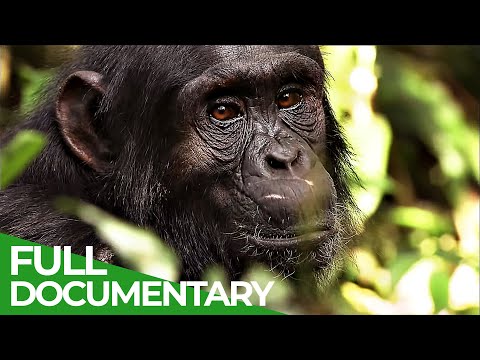
You’ll mostly find orangutans living high up in the trees, moving slowly but with serious strength. Chimps split their time between the trees and the ground, acting faster and hanging out in groups.
Their daily lives and how they interact with others really shape their behavior.
Tree-Dwelling vs Terrestrial Lifestyles
Orangutans spend nearly all their time in the forest canopy. Their long arms and strong hands help them swing from branch to branch and move along lianas.
They rarely come down to the ground. At night, they build nests up in the trees to sleep.
Chimps live both in trees and on the ground. They climb trees for food or safety, but they do most of their traveling and hunting on land.
Their shorter arms and strong legs give them speed on the ground, which is pretty different from the orangutan’s careful movements up high.
Aggression and Social Dynamics
Orangutans usually live alone. Adult males keep to themselves, and females mostly stay with their young.
You won’t see big groups of orangutans hanging out together. They pretty much avoid each other except for mating or quick encounters.
Chimps, though, are super social. They live in large groups called troops.
You’ll see them grooming each other, working together, or even teaming up during conflicts or hunts. Their group dynamics are pretty impressive.
Diet and Feeding Strategies
Orangutans mainly eat fruit, especially up in the treetops. Sometimes they’ll eat leaves, bark, or insects.
They use their hands to pick and peel fruit, all while holding onto branches.
Chimps eat fruit too, but they’re not picky. They hunt small animals and insects, and they’ll eat meat when they get the chance.
Chimps even use tools—sticks for termites or rocks to crack nuts. It’s honestly pretty clever.
Intelligence and Problem-Solving
Both apes are smart, but chimpanzees usually show off more complex problem-solving skills.
You’ll catch chimps using tools all the time, especially when they’re eating or even during some social moments.
Orangutans, on the other hand, figure things out on their own and have a knack for understanding cause and effect.
They remember details surprisingly well and plan their moves, especially when they’re navigating tricky forest paths or hunting for food way up in the canopy.
Curious about more differences in ape behavior and strength? Take a look at this detailed comparison of orangutans and chimps.


