
Ever wondered which ape is more aggressive—gorillas or chimps? You might find the answer a bit unexpected. Chimpanzees usually act more aggressively than gorillas, turning to violence more often to solve problems and compete in their groups. Gorillas typically avoid fights and use their size to intimidate instead of attack.

Your understanding shifts when you look at how these apes live. Chimps form complex social groups with lots of competition, which leads to frequent fights.
Gorillas stick to tight-knit family groups led by a strong silverback who keeps things pretty peaceful most of the time.
Curious why these differences exist? Their habits and social lives shape their aggression in some interesting ways.
If you want to dig into what sets chimps and gorillas apart when it comes to conflict, let’s get into it.
Aggression in Gorillas and Chimpanzees
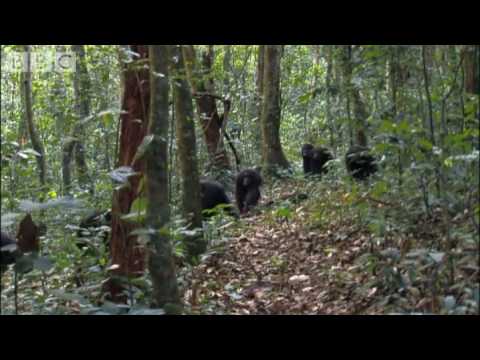
Gorillas and chimpanzees don’t show aggression in the same ways. Their group structures, conflict behavior, and reactions to each other all play a part.
If you’re trying to figure out which ape acts tougher, it really comes down to how their social worlds work.
Social Structure and Group Dynamics
Gorillas hang out in smaller, steady groups led by a dominant silverback male. This silverback keeps order by beating his chest and roaring—he doesn’t really pick fights.
Gorilla groups stay pretty stable, so there’s not much competition inside the group.
Chimps do things differently. They live in bigger groups that change a lot.
They compete hard for status and mates, and alpha males often fight to stay on top.
This constant tension makes chimp groups more prone to aggressive run-ins.
You’ll notice the difference in places like Loango National Park. Gorillas tend to keep calm in their stable family groups.
Chimps, though, shift alliances and rivalries all the time.
Types of Aggressive Behavior
Chimps show off a whole range of aggressive moves. They might throw stuff, make a ton of noise, or even attack together as a group.
They use violence to defend their turf or win over mates. Their smaller size and agility let them pull off quick, sharp attacks.
Gorillas take another approach. They mostly rely on visual and vocal signals to look tough before anything gets physical.
Actual fighting is rare and usually only happens if there’s a real threat to the group.
Their sheer strength means they can scare off most problems without needing to brawl.
Both apes use aggression to sort out disputes, but gorillas stick to warnings while chimps jump into physical fights more often.
Interspecies Interactions and Encounters
When gorillas and chimps cross paths, like in Loango National Park, things usually stay calm.
Gorillas tend to avoid chimps or quietly slip away. Direct fights almost never happen, probably because their social habits and habitats don’t overlap much.
Gorillas count on their size and a peaceful vibe to keep others at a distance.
Chimps act curious but keep their guard up.
These rare meetings show how both apes respect each other’s space and avoid drama.
When you think about gorillas versus chimps, remember—these great apes have pretty different ways of dealing with aggression.
Behavioral and Environmental Factors Influencing Aggression

Aggression in gorillas and chimps really depends on their environment and daily routines.
How they compete for space, food, and handle threats shapes how aggressive they get.
Habitat and Resource Competition
Gorillas mostly stick to tropical forests with lots of space. You’ll see this with mountain gorillas and western lowland gorillas.
They use their size and strength to show dominance and avoid fights. Gorillas defend their territory but usually keep things low-key.
Chimps, including common chimpanzees, face more competition because their groups can be big and crowded. This leads to more aggressive behavior, especially when groups clash over territory.
Eastern lowland gorillas seem less aggressive, probably because they live in smaller groups and keep things more peaceful.
If you ever go gorilla trekking or chimp trekking, you’ll probably notice chimps have more visible clashes within and between groups.
Cross river gorillas live in small forests and have fewer direct conflicts, but their limited space can add stress that might trigger aggression.
Diet and Feeding Behavior
Food plays a huge role in how aggressive these apes get. Gorillas mostly munch on leaves, stems, and some fruit.
Their diet—especially for mountain gorillas—is less competitive since they eat what’s all around them.
That means fewer fights over food.
Chimps go after fruit, which can be hard to find. When fruit runs low, chimps ramp up the aggression to get their share.
You’ll see more fighting in chimp groups when food is scarce.
Bonobos, who are related to chimps, eat similar stuff but don’t get as aggressive. So, clearly, diet isn’t the only thing at play—social behavior matters too.
Feeding clashes in gorillas are rare and usually mild, not like the intense food fights you’ll see with chimps.
Impact of Habitat Loss and Poaching
Logging and farming keep chipping away at the forests where gorillas and chimps live. As their habitats shrink, apes deal with more stress and have to compete harder for space.
You’ll often see more aggressive behavior, especially in chimpanzees. Chimps just don’t handle crowding well.
Poaching brings even more risk. People usually protect mountain gorillas in parks—think of those mountain gorilla trekking tours. Still, poachers go after western lowland gorillas and cross river gorillas.
When humans disturb gorillas or chimps, or when hunters take away their family members, these animals often react with defensive or aggressive behavior.
Chimps, in particular, get squeezed into smaller spaces when they lose habitat and face poachers. That just ramps up conflict within groups and between them.
That’s why conservation work aims to protect both the apes and their forests. Limiting human intrusion really matters here.


