
When considering which dog is the most sensitive, many factors play a role, including emotional sensitivity and the desire for companionship. The most sensitive dog breeds are often those that form deep emotional connections with their owners, needing understanding and reassurance. These dogs are not just pets; they can be your closest companions, always ready to sense your mood and offer comfort.

Sensitive dogs are known for their ability to read subtle cues in their environment and respond accordingly. This emotional intelligence can be a joy but also requires you to provide extra care and attention.
If you’re looking for a furry friend who will bond closely with you, understanding their nature is essential.
As you explore different breeds, you’ll discover that sensitivity comes in various forms. Some dogs may be more anxious than others, thriving in positive environments filled with love and patience. The bond you create with these sensitive souls can lead to a fulfilling companionship that enriches your life and theirs.
Understanding Canine Sensitivity

Canine sensitivity is an important trait that can affect how your dog interacts with you and their environment. This sensitivity is often linked to emotional intelligence, allowing dogs to connect deeply with human emotions. Recognizing the signs of sensitivity helps you provide the best care for your pet.
Emotional Intelligence in Dogs
Dogs can be remarkably in tune with your feelings. This emotional intelligence lets them respond to your moods in unique ways. Some dogs seem to sense when you are happy, sad, or stressed.
For example, they may cuddle closer when you’re upset or play more when you’re joyful. This bond forms strong connections, making them affectionate companions.
Truly sensitive breeds often show this emotional awareness, which may help with situations like separation anxiety. These dogs thrive on human interaction and may need extra attention to feel secure and loved.
Signs of Sensitivity in Dogs
There are several noticeable signs that your dog may be particularly sensitive. Pay attention to their body language, as it can show how they feel.
- Cowering: If your dog flinches or hides during loud noises, it may indicate sensitivity.
- Excessive Barking: This could happen when they feel anxious or need reassurance.
- Affectionate Nature: A sensitive dog often seeks out physical touch or closeness, showing their need for comfort.
Recognizing these signs can help you respond appropriately. Providing a safe and nurturing environment supports your sensitive dog, allowing them to thrive.
Sensitive Dog Breeds

Sensitive dog breeds have a unique ability to connect with their owners on an emotional level. They often respond to your feelings and can provide comfort when you need it most. Here are some breeds known for their sensitivity.
Labrador Retriever
Labrador Retrievers are known for their friendly and gentle nature. They are very in tune with your emotions and often seek to please you. Labs thrive on companionship and enjoy being part of the family.
Their affectionate personality makes them great therapy dogs. They sense when you are upset and are likely to provide comfort through their presence. Training a Labrador to be sensitive to your needs brings out their best qualities.
Labradors also require regular exercise and mental stimulation. A tired dog is often a happy dog, so engaging them in activities can enhance their sensitivity and bonding with you.
Golden Retriever
Golden Retrievers are famously friendly and loyal companions. They often show a remarkable ability to understand your feelings. This breed tends to be very affectionate, loving to snuggle and be by your side.
Golden Retrievers are also very social and get along well with kids and other pets. Their compassionate nature makes them ideal for families, as they often cater to everyone’s emotional needs. They enjoy playtime, but they also appreciate quiet moments with their owners.
Training a Golden Retriever to respond to emotional cues can lead to a deep bond. Their sensitivity makes them excellent therapy animals, offering a supportive presence when you need it most.
Border Collie and Australian Shepherd
Border Collies and Australian Shepherds are highly intelligent and sensitive breeds. Both are known for their strong working instincts. They often form deep emotional connections with their owners.
With their keen ability to understand commands, these breeds excel in obedience training. They can pick up on your moods and often mirror your feelings. This sensitivity makes them responsive and eager to help.
Both breeds require plenty of physical and mental stimulation. Regular exercise and challenging activities can keep them happy while enhancing their sensitivity. Connecting through training and play is essential for a successful partnership.
Collie and Shetland Sheepdog
Collies and Shetland Sheepdogs are both gentle and sensitive. They tend to be very loyal and protective of their families. Their strong instincts make them aware of your feelings and needs.
Collies are known for their affectionate nature. They thrive on attention and often seek your companionship. In contrast, Shetland Sheepdogs are intelligent and can be more reserved but are still very attuned to your emotions.
Regular exercise and mental challenges are necessary for both breeds. These activities can enhance their natural sensitivity and strengthen your bond. Whether you choose a Collie or a Shetland Sheepdog, you’ll have a loving companion who is in tune with your emotions.
The Role of Sensitive Dogs
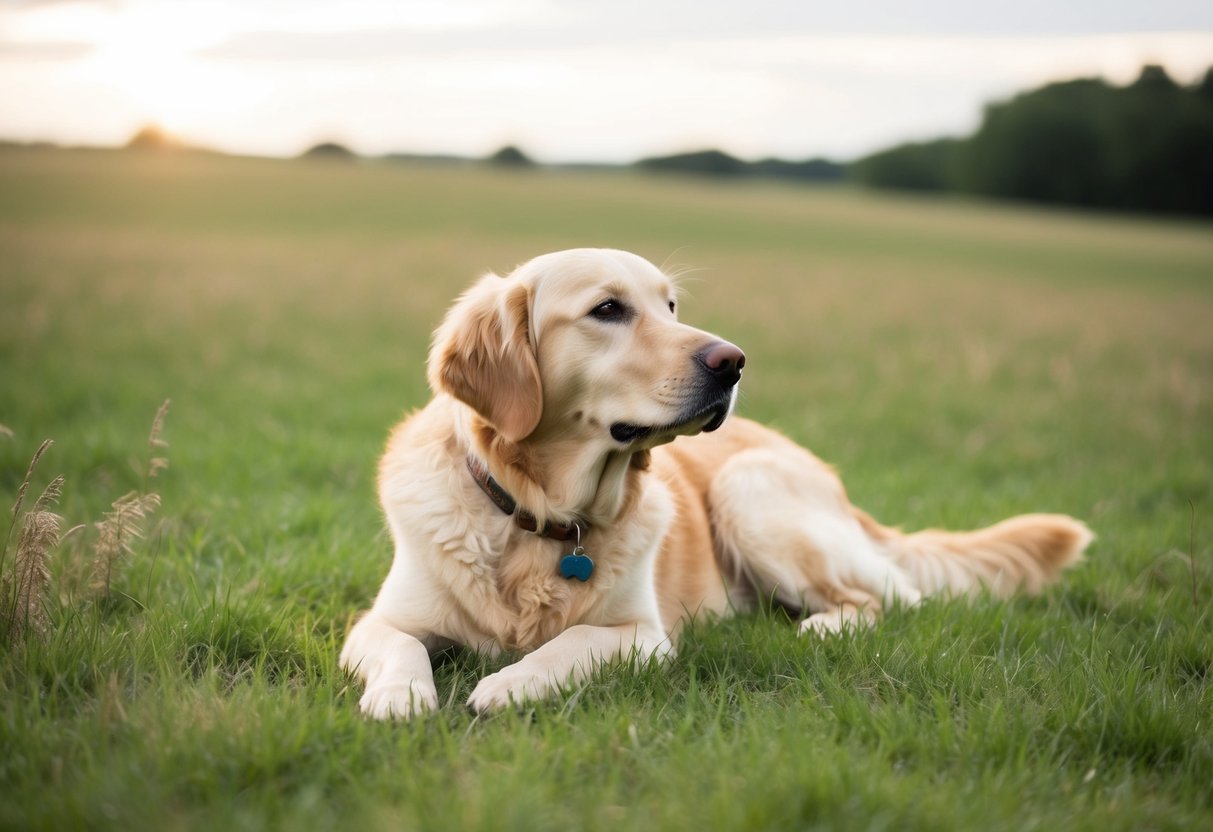
Sensitive dogs play a unique and important role in many people’s lives. They offer companionship and support, and they are often chosen for their ability to sense and respond to human emotions. These traits make them excellent companions and valuable partners in therapy and service activities.
Companionship and Support
Sensitive dogs are known for their affectionate nature. They often form strong bonds with you, providing comfort during tough times. These dogs seem to know when you need a little extra love or companionship.
They thrive in family settings, where they can be a source of joy and support. Their keen emotional awareness allows them to read your feelings and respond appropriately.
When you’re feeling down, they might cuddle closer or give you soft nudges, reminding you they’re there.
This connection fosters an environment where you feel understood and less alone. You can rely on your sensitive dog to bring a smile to your face, simply by being their loving selves.
Therapy and Service Dogs
Many sensitive dogs are used as therapy or emotional support dogs. They are trained to help individuals facing various challenges, including anxiety and depression. These dogs have an incredible ability to detect emotional shifts, providing comfort exactly when you need it.
In therapy settings, they work alongside mental health professionals. Their gentle nature helps clients feel safe, which can make a big difference in the healing process.
Service dogs also assist those with physical and mental disabilities. Their sensitivity allows them to guide and support you in ways that make daily tasks easier. Sensitive dogs truly enhance the quality of life for many individuals, proving the value of their gentle spirit.
Caring for a Sensitive Dog

Caring for a sensitive dog requires a gentle approach. Understanding their emotional needs and using training methods that reinforce positive behavior can help create a loving environment for your furry friend.
Positive Reinforcement Training
When training your sensitive dog, use positive reinforcement techniques. This means rewarding good behavior with treats, praise, or playtime.
For example, if your dog sits on command, offer them a tasty treat right away. This helps them associate good actions with positive outcomes.
Avoid harsh discipline or negative reactions, as sensitive dogs can become anxious and fearful. Instead, focus on patience. Use soft tones and kind gestures to make them feel secure. Building a bond based on trust is key for their emotional well-being.
Meeting Emotional Needs
Sensitive dogs thrive on affection and attention. Spend quality time with them daily. You can play games, go for walks, or simply cuddle on the couch. This helps reinforce your bond and meets their emotional needs.
Pay attention to their body language. If your dog seems stressed or withdrawn, provide a calm, safe space for them to relax. Soft bedding or a quiet corner can work wonders. Also, consider their routine. Keeping a consistent schedule for feeding and playtime adds security. Always show love and understanding for their unique personality.


