
You do not need the fanciest product to get rid of bed bugs. You need the right treatment for the size of the problem, the surfaces involved, and how sensitive your household is to chemicals.
The best bed bug treatment matches your infestation level, targets hiding spots, and fits your plan for follow-up control.
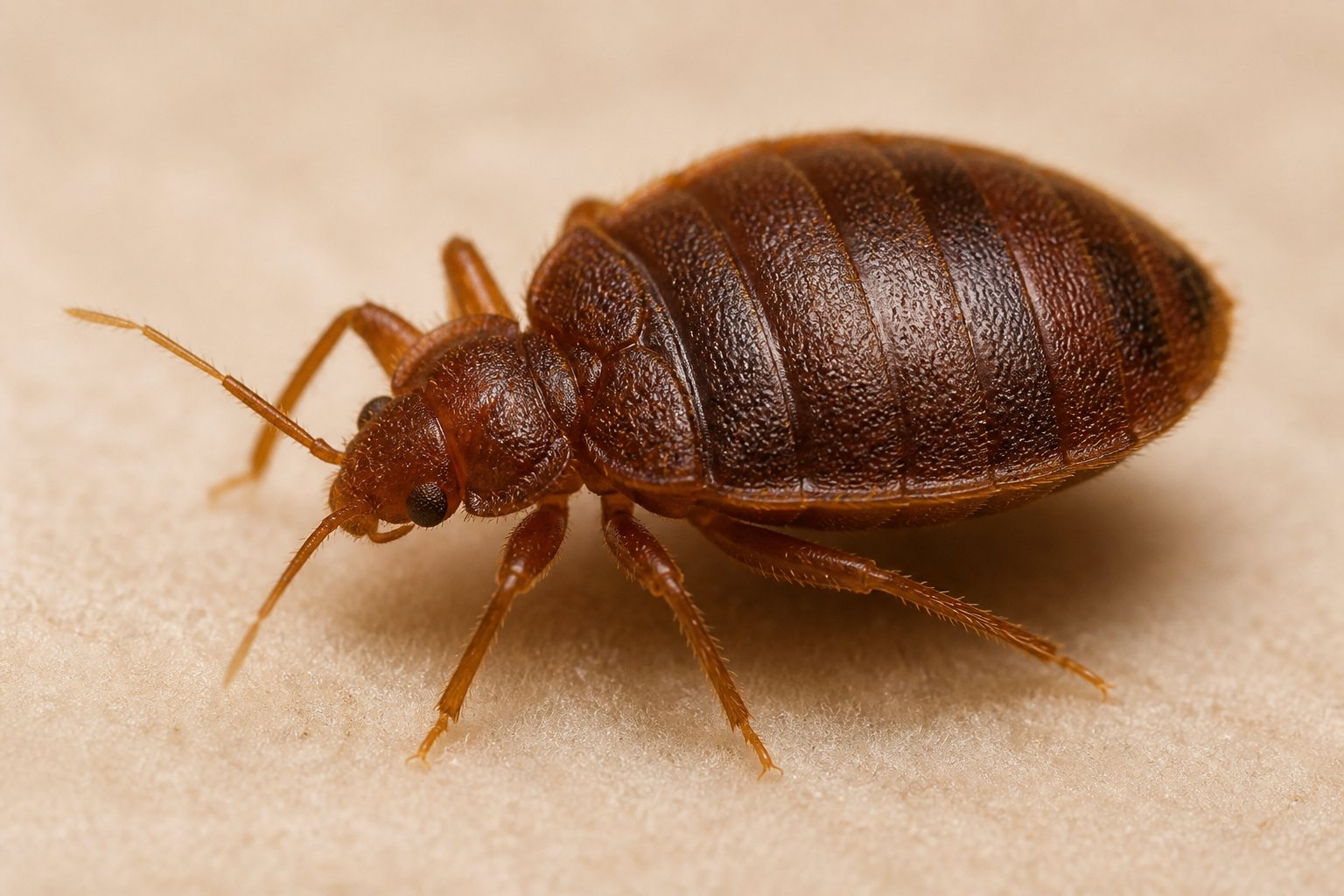
Bed bugs spread quickly through beds, furniture, baseboards, and luggage. A small problem can become a full bed bug infestation before you notice it.
A smart approach combines inspection, targeted treatment, and patience. Bed bug elimination often takes more than one step.
When you compare pest control options, focus on how each product or method works on live bugs, eggs, and hidden harborages.
How To Choose The Best Option For Your Situation

Your best bed bug treatment depends on how far the bed bug life cycle has progressed and whether resistance is likely. Consider how much risk you want to take with chemicals.
A solid bed bug treatment plan should match the infestation, not just the label.
Best Pick For A Small Or Early Infestation
If you caught the problem early, contact sprays, vacuuming, encasements, and interceptors often work best. For a few bugs near a bed, a targeted DIY plan can be enough when you stay consistent and recheck often.
Best Pick For Resistant Or Spreading Activity
When activity is wider or you suspect pyrethroid-resistant bed bugs, you need more than a single spray. Integrated pest management, rotating active ingredients, and, in some cases, whole-home treatment from professional pest control work better, especially where resistant bed bug strains survive basic products.
Best Pick For Homes With Chemical Sensitivities
If you have chemical sensitivities, start with chemical-free pest management tools such as vacuuming, steam, encasements, and monitoring devices. Always check EPA guidelines on any product before use and favor treatments that reduce exposure while still interrupting the infestation.
When Professional Help Is The Better Choice
Professional pest control makes more sense when bugs keep returning or multiple rooms are affected. A pro can combine inspection, residual treatment, and follow-up visits, which helps when the infestation has moved beyond a simple spot treatment.
What Actually Works Best By Treatment Type

Some bed bug treatment options kill fast, while others protect your room over time. Pairing a quick knockdown method with a longer-lasting control step usually gives the best results.
Contact Sprays For Fast Knockdown
A good bed bug spray can kill bed bugs on contact, making it useful for visible bugs and exposed seams. Choose a spray that matches the surface you are treating and the level of infestation, whether that is a chemical bed bug spray, a natural bed bug spray, or a professional-grade insecticide.
Many bed bug sprays use pyrethroids, neonicotinoids, or an insect growth regulator (IGR), and some products combine multiple actives. Ready-to-use options like Bedlam Plus Bed Bug Aerosol, Crossfire Bed Bug Concentrate, Ecovenger Bed Bug Killer, EcoRaider Bed Bug Killer, Eco Defense Bed Bug Killer, Hygea Natural, Say Bye Bugs, Bed Bug Patrol, Harris Bed Bug Killer, Ortho Bed Bug, and Ortho Home Defense Max often get compared for contact killing and label compatibility.
Residual Products For Ongoing Control
Residual spray keeps working after the initial application, helping when bugs emerge later from cracks and hidden seams. That lasting effect matters more than quick knockdown when you want bed bug elimination instead of a temporary pause.
Products with residual protection often become part of a larger bed bug treatment, especially when paired with repeat inspections and a careful bed bug treatment plan.
Mechanical And Chemical-Free Methods
Vacuuming, mattress encasements, bed bug interceptors, and bed bug traps support bed bug control without adding more chemicals. A powder duster helps place fine dust like Cimexa or diatomaceous earth, including Harris Diatomaceous Earth and Harris Diatomaceous Earth 10lb, into tight voids where bugs travel.
These methods work best as part of chemical-free pest control or integrated pest management, not as a stand-alone fix. Look for OMRI listed products when you want lower-toxicity options that still fit a serious treatment plan.
Heat And Steam For Immediate Non-Spray Results
Use a steam cleaner to kill bed bugs in seams, tufts, and cracks without relying on sprays. Heat treatment and professional heat treatment offer strong options when you want fast, non-spray results across furniture and sleeping areas.
Heat can reach places sprays may miss, especially in thick fabrics and cluttered rooms. For homes that want chemical-free pest control, steam and heat often provide the cleanest path forward.
How To Use Products Without Wasting Time Or Money

You get better results when you treat the right areas in the right order. Beds, frames, and baseboards usually matter more than random room spraying.
Monitoring devices help you know whether the plan is working.
Where To Treat Beds, Frames, And Baseboards
Focus on mattress seams, box springs, bed frames, headboards, and the baseboards closest to the bed. A mattress encasement adds a physical barrier that helps isolate hidden bugs and makes inspection easier.
Use bed bug blockers or bed bug interceptors under legs to stop bugs from climbing up and to track activity. These tools help you see whether your bed bug control plan is reducing movement near the sleeping area.
How To Apply Bed Bug Spray Effectively
Learn how to apply bed bug spray before you start, because overuse wastes product and underuse leaves gaps. Treat cracks, seams, and edges exactly as the label allows.
Read bed bug product reviews and best bed bug products comparisons with care, since product performance changes by surface and infestation level. If you buy from places like Ecopest Supply or compare Green Bean Buddy listings, match the product to the job instead of the price alone.
How To Monitor And Prevent Reinfestation
Use bed bug traps and bed bug interceptors to check for new activity after treatment. Revisit the room regularly, wash and dry bedding on high heat, and keep clutter low so you can spot problems early.
Mistakes That Make Treatments Fail
The biggest mistakes are skipping follow-up and treating only one room. Many people also ignore hiding spots outside the mattress.
Using the wrong product for the infestation is another common issue. Some people choose a spray without checking bed bug product reviews or the best bed bug products for their needs.


