
You’ll find squirrels in all sorts of places—high up in tree canopies, tucked away in burrows underground, and sometimes just hanging out near your house in the yard or attic. Depending on the species and available shelter, squirrels make their homes in trees, tunnels, and small nests crafted from leaves or fur.

Want to see one? Try looking up into the branches for tree squirrels. Check open fields and garden edges for ground squirrels. If you’re out at dusk, you might catch flying squirrels gliding between trees.
Let’s get into where squirrels live, how they build nests, and the way they’ve managed to thrive around people.
Where Do Squirrels Live: Natural Habitats
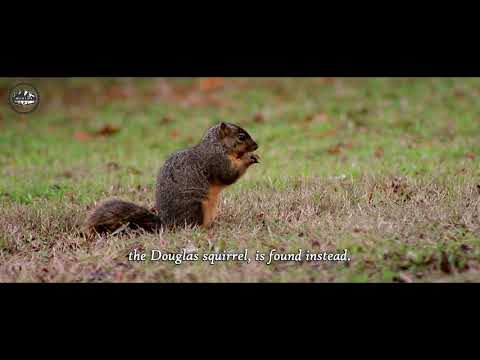
Squirrels pick places that offer food, shelter, and some degree of safety. Some species stick to the treetops, others burrow underground, and a few glide from trunk to trunk when the sun goes down.
Tree Squirrels: Forests, Parks, and Urban Areas
Tree squirrels like the eastern gray squirrel (Sciurus carolinensis) and the American red squirrel spend most of their lives in trees. You’ll spot them in mixed forests with mature hardwoods, especially where nuts and seeds are easy to find.
They build dreys—those round nests made of leaves and twigs—right in the forks of branches, or sometimes they move into hollow trunks or old woodpecker holes.
In parks and cities, these squirrels adapt fast. You might see gray, red, or even black squirrels using street trees, sneaking into attics, or raiding bird feeders.
They help forests by burying nuts, which sometimes sprout into new trees. You’ll often catch them munching on acorns, mushrooms, or even buds in the spring.
Tree squirrels use their strong hind legs to leap between branches. Some, like the fox squirrel, prefer more open woods and bigger trees.
Their flexibility lets them travel, dodge predators, and raise babies up off the ground.
Ground Squirrels and Their Burrow Systems
Ground squirrels and their relatives—think California ground squirrel, thirteen-lined ground squirrel, marmots, and prairie dogs—mostly stick to life underground. You’ll find them in grasslands, open fields, or meadows where they dig out pretty complex burrow systems.
These tunnels have nesting chambers, food storage spots, and escape routes with several entrances.
Burrows keep the young safe from bad weather and hungry predators. Chipmunks use shallower tunnels, while ground squirrels dig deeper networks for hibernation or estivation.
Ground species eat seeds, grasses, and sometimes mushrooms that pop up near their homes. Their digging changes the soil and even affects what plants grow nearby.
Some ground squirrels live in big colonies and use alarm calls to warn each other. The tunnels look different depending on the species and the soil, so a California ground squirrel’s burrow won’t be the same as a prairie dog town.
Flying Squirrels and Gliding Habitats
Flying squirrels (family Sciuridae, like Glaucomys volans and the southern flying squirrel) stick to forests with tall, closely spaced trees. You’ll mostly find them in deciduous or mixed forests with thick canopies and lots of tree cavities.
They glide using a stretchy membrane, the patagium, between their front and back legs.
You probably won’t see them during the day since they’re nocturnal. At night, they glide from tree to tree to look for nuts, seeds, fungi, and sometimes insects.
Their gliding keeps them out of reach of many predators and helps them gather food without having to climb down.
Tiny species like pygmy squirrels and some African or Neotropical pygmy squirrels live in dense tropical forests, using similar gliding or climbing tricks.
You’ll usually find them near hollow trees or even nest boxes where they raise their young.
Squirrel Nests and Adaptations

Squirrels have three main types of nests and show some pretty clever adaptations. They build aboveground dreys, use tree cavities or man-made structures, and dig underground burrows for shelter and raising their young.
Dreys: Construction and Materials
Dreys are round nests built high in the branches. You’ll notice these ball-shaped clusters made from twigs, dry leaves, moss, and sometimes bits of shredded bark.
Squirrels weave a frame of twigs, then line it with softer stuff—fur or grass—to keep their babies warm.
They use their teeth to shred softer materials and their paws to tuck leaves into place. Dreys usually measure about 8–12 inches across, but a shared nest can get bigger.
You might spot loose material poking out or a small hole where the squirrel slips in.
Dreys offer some protection from wind and rain, but they’re not great in extreme cold. Some squirrels build several dreys near their food stashes.
If a drey gets damaged, a squirrel will usually fix it up fast or just move to another nest.
Tree Cavities and Urban Structures
When a tree develops a hollow, squirrels often claim it for shelter. Cavities give better protection from storms and predators than dreys do.
You’ll find these hollows in mature trees, usually about 2–8 inches wide, and they make a cozy den for nursing mothers and their babies.
In neighborhoods, squirrels get creative and use attics, soffits, and gaps in buildings. These places mimic tree cavities—enclosed, dry, and safe.
If you suspect squirrels have moved in, look for signs like chewed wood, droppings, or maybe the sound of baby squirrels at night.
Different squirrel species in the Sciurinae group have their own preferences. Tree squirrels like high-up cavities, while flying squirrels use cavity nests at night.
Sometimes, a hollow tree can host several animals, but it might also attract predators or other pests.
Life Underground: Burrows and Colonies
Some squirrels—especially ground squirrels—love to dig burrows with winding tunnels and cozy chambers. You’ll spot these little underground networks in loose soil, usually with a few entrances and a nest chamber padded with grasses.
Burrows keep things comfortable, regulating temperature and shielding the young from predators overhead.
Many burrowing squirrels actually live in colonies. You might notice clusters of burrow openings scattered across fields or lawns, where they stash away nuts and seeds.
These squirrels rely on their sharp incisors and strong claws to dig and break up food for storage.
Life underground shifts their behavior a bit. You’ll see them climbing trees less, but digging and sounding alarm calls more often.
Burrows double as nurseries, giving baby squirrels a safe place until they’re ready to venture out and climb.
If you’re mowing the lawn or working in the garden, it’s smart to watch for these hidden openings so you don’t accidentally disturb a nest.


