
Foxes live in a wide mix of places, so the answer to where foxes usually live depends on the species and the region. Across the world, fox habitats include forests, grasslands, farmland, deserts, tundra, mountains, plateaus, and even neighborhoods at the edge of cities.
Your local fox species usually lives wherever it can find food, shelter, and safe den sites.
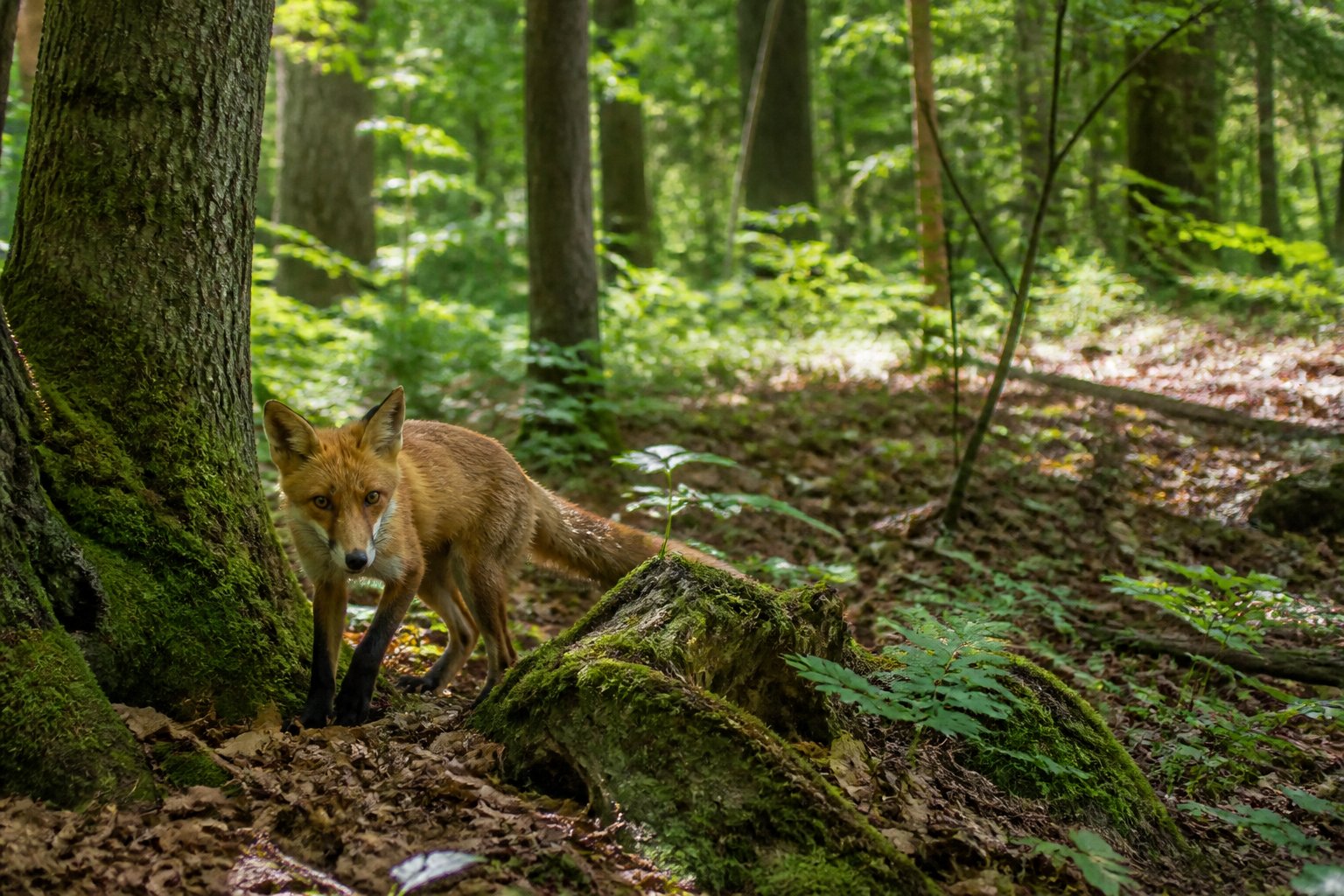
Main Places Foxes Make Their Homes
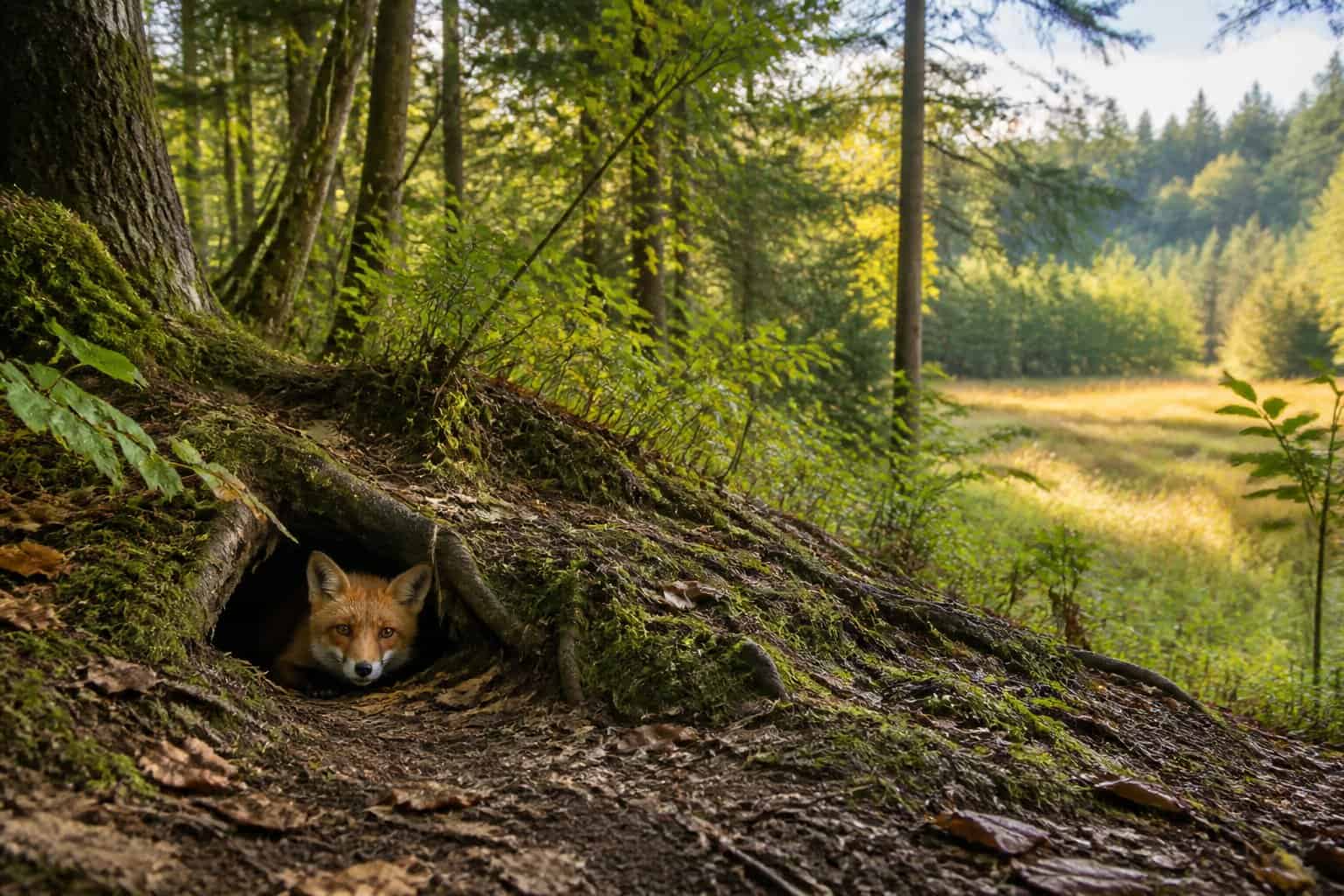
Foxes use a surprising variety of habitats, from wild landscapes to human-shaped spaces. Their adaptations let them handle changing weather, shifting food sources, and increasing urbanization.
Forests
Forests give foxes cover, shade, and plenty of prey. Woodland edges combine hiding places with open ground for hunting.
Grasslands And Farmland
Open fields, pastures, and farmland offer rodents, rabbits, birds, and easy travel routes. Mixed countryside lets foxes move between crops, hedgerows, and brush.
Deserts And Dry Shrublands
Desert foxes survive with heat-saving behavior, light coats, and nighttime activity. They spend the hottest hours hidden in shade or underground, then hunt when temperatures drop.
Tundra, Mountains, And Plateaus
Cold and high-altitude regions support specialized foxes built for thin air, wind, and snow. These habitats favor species with thick fur, compact bodies, and strong seasonal changes in coat color or diet.
Cities And Suburbs
Urban foxes use parks, alleys, rail corridors, and backyard edges where food is easy to find. Some urban foxes adapt well by using human structures for shelter and scavenging.
Which Fox Species Live In Which Habitats
Different fox species are tied to different climates and landscapes, so the species name matters as much as the habitat. The ranges of foxes can stretch across continents, from Arctic snowfields to dry grasslands and hot deserts.
Red Fox And Gray Fox Ranges
The red fox (Vulpes vulpes) has one of the broadest ranges, with populations across Europe, Asia, North America, North Africa, and parts of Australia.
The gray fox (Urocyon cinereoargenteus) lives mostly in North America and is often found in wooded areas and brushy habitat.
Arctic Fox, Fennec Fox, And Kit Fox
The arctic fox (Vulpes lagopus) thrives in snow, wind, and freezing temperatures, hunting in open tundra.
The fennec fox and kit fox live in arid regions, where their small bodies, large ears, and nocturnal habits help them cope with heat and sparse vegetation.
Tibetan Fox, Bengal Fox, And Other Regional Species
The Tibetan fox lives on high plateaus and open grasslands, hunting small mammals in open country.
The Bengal fox, bat-eared fox, crab-eating fox, sand fox, pale fox, swift fox, and cape fox each occupy regional habitats shaped by local climate, prey, and cover.
How Foxes Adapt To Different Environments
Foxes survive by pairing flexible behavior with practical shelter choices and varied diets. Their den habits, hunting style, and tolerance for people all play a role in where fox populations can persist.
Fox Dens And Shelter Choices
A fox may use a burrow, an abandoned tunnel, or a sheltered space under roots, rocks, or brush as a den. A vixen often raises young in a den, and foxes may enlarge and reuse dens when the site feels safe.
Food Sources And Hunting Behavior
Foxes hunt and scavenge opportunistically, which helps them live in places with shifting food supplies. They eat rodents, rabbits, birds, eggs, fruit, grain, insects, and carrion, and that flexibility supports survival in both wild and human-altered landscapes.
Why Some Foxes Thrive Near People
Some fox populations do well near towns because people create steady food opportunities and hiding places. Low pressure from larger predators also helps, especially where foxes can move through parks, gardens, and quiet residential edges.
How Habitat Change Affects Foxes
Habitat change can reshape where foxes live, how far they travel, and which species do best in a region. Pressure from climate change, land use, and human development affects foxes in different ways depending on the local landscape.
Climate Change And Range Shifts
Climate change can push foxes toward cooler areas, higher elevations, or new seasonal patterns. Species that depend on snow, tundra, or narrow temperature ranges may face the hardest adjustments as habitat conditions shift.
Conservation Efforts And Human Pressure
Conservation efforts help when development, roads, and habitat fragmentation reduce safe cover and travel corridors. Foxes often cope well with change, yet growing human pressure can still limit dens, prey access, and breeding success.
Foxes In The Dog Family
Foxes belong to the dog family, or canidae, alongside wolves, coyotes, jackals, and other canids.
True foxes in the genus Vulpes form a distinct branch.
This distinction helps explain why foxes can look similar across species while still living in very different habitats.


