
So, let’s be honest—finding actual squirrel milk just isn’t realistic or ethical. You won’t find natural squirrel milk on store shelves, but you can get special milk replacers from vets, wildlife rehabbers, or even some online shops if you’re trying to help an orphaned baby squirrel.

If you’ve come across a baby squirrel or just want to know where to get the right supplies, you’re in the right place. I’ll point out who to contact, which formulas the pros actually use, and what safe alternatives you can try under some guidance.
You’ll get the steps you need to act fast and keep the little animal healthy while you look for expert help.
Where to Find Squirrel Milk and Replacers
When you find a baby squirrel, you need a safe, nutritionally solid milk option right away. Most folks end up buying a commercial squirrel milk replacer, reaching out to a wildlife rehabber or vet, or ordering a trusted formula online.
Specialty Pet Stores and Local Availability
Start by checking local exotic pet shops or independent stores. These places sometimes carry squirrel milk replacers and feeding supplies like syringes or those little wonder nipples.
Call ahead so you know if they’ve got the right brands or sizes—nobody likes a wasted trip.
Look for formulas that mention high-fat, high-protein rodent milk. Some places stock Wombaroo or Fox Valley blends for squirrels.
If you don’t see a squirrel-specific formula, ask about Esbilac puppy milk replacer as a temporary fix. Staff might also suggest adding calcium or vitamins.
Bring the squirrel’s age and weight if you can. That way, staff can help you figure out mixing ratios and the right syringe.
If the store can’t help, they’ll probably know a wildlife rehabber or clinic nearby.
Online Retailers for Squirrel Milk Formula
You can order ready-made kits and powders online pretty quickly. Search sites like Amazon for “baby squirrel milk replacement” and you’ll see kits, powders, and syringes.
Etsy and some specialty pet sites list squirrel milk replacers too, usually in powder sizes that mix up easily.
Pick formulas that say they match squirrel milk’s fat and protein levels. Read the instructions and check reviews—sometimes people mention if their squirrel liked it or had tummy troubles.
Watch out for shipping times. Use expedited shipping if the squirrel needs food now.
Keep a good online link handy for emergencies, but don’t rely on shipping if you’ve got a newborn squirrel in front of you. Local options or a rehabber are usually faster.
Wildlife Rehabilitators and Veterinary Clinics
Reach out to a licensed wildlife rehabilitator first if you’ve found a baby squirrel. Rehabbers have approved squirrel milk formulas and the permits to care for wild animals.
They’ll either take the animal or walk you through feeding schedules and syringe tips.
Veterinary clinics, especially those that see exotic pets, usually have squirrel milk formula or Esbilac puppy milk replacer for short-term use.
A vet can recommend supplements and check if the squirrel is dehydrated or injured. If you need to bring the animal in, use a small heated carrier and jot down any notes about its condition.
If you can’t reach a rehabber, call a vet and ask directly for “squirrel milk replacer” or “Esbilac as temporary formula.” Follow their advice for mixing and feeding.
Best Alternatives and Feeding Baby Squirrels

You’ll need a high-fat, high-protein milk replacer, careful mixing and warming, and slow upright feeding to prevent aspiration. Try to use commercial puppy or kitten formulas, and only use homemade mixes if there’s absolutely no other option.
Recommended Milk Replacers for Baby Squirrels
Go for a commercial milk replacer made for small mammals if you can. Rehabbers usually pick Esbilac puppy formula or a squirrel-specific product since these have more fat and protein than cow’s milk.
A ready-made squirrel milk replacer kit often includes powder, feeding syringes, and nipples for safer feeding. (Example: Exotic Nutrition nursing set.)
Skip regular cow’s milk and plant milks—they can cause diarrhea and poor weight gain. If you’re buying online, look for products labeled for puppies, kittens, or squirrels, and read reviews for notes on acceptance and weight gain.
How to Prepare Homemade Squirrel Milk
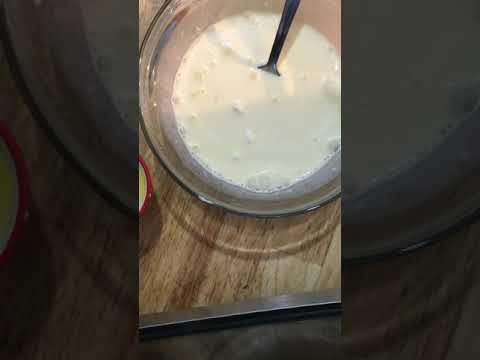
Only make a homemade formula as a last resort and just for a short while. A common emergency mix uses goat’s milk diluted with water, plus a bit of heavy cream for extra fat.
Add a vitamin supplement for small mammals if you have it.
Mix until smooth and lump-free, then warm it up to about 98–100°F (37–38°C). Use a kitchen thermometer if you’ve got one.
Make a fresh batch for every feeding, and toss any leftovers after two hours. Label bottles with the time you made them and when to throw them out to avoid bacteria.
Proper Feeding Techniques for Orphaned Squirrels
Hold the baby squirrel upright, or let it lean forward just a bit. Never feed a squirrel while it’s lying on its back.
Grab a small syringe, a tiny bottle, or a soft nipple for feeding. Let the baby latch on or sip really slowly—don’t ever force a full syringe into its mouth, since that can cause aspiration.
Feed according to the squirrel’s weight and keep track of that weight every day. Young orphans usually need to eat every 2–3 hours.
As they get a little older, you can stretch feedings to every 4–6 hours. Always keep the baby warm during and after you feed it.
If you’re not sure about amounts or when to start weaning, it’s best to reach out to a wildlife rehabilitator.


