
You’ll usually see baby squirrels opening their eyes at about four weeks old, but sometimes it happens as early as three weeks or as late as five, depending on the species and how healthy they are.
By week four, most of them can finally see, and it’s not long before they start poking around outside the nest.

You might wonder what to look for during the nest stage, or how eye opening changes what the babies do.
Knowing this stuff helps if you ever spot a grounded baby and aren’t sure if it needs help or if mom’s still looking out for it.
When and How Baby Squirrels Open Their Eyes
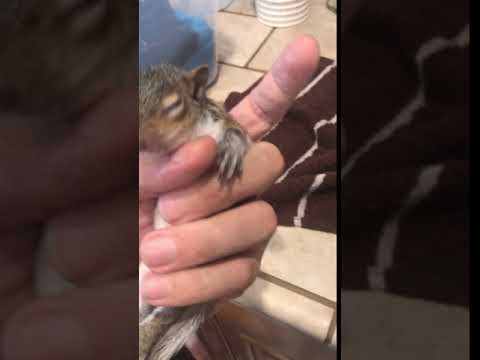
Let’s talk about when most baby squirrels open their eyes, how their vision changes step by step, and what can make the process go faster or slower.
Typical Timeline for Eyes Opening
Most tree squirrels, like grays, open their eyes between three and four weeks old.
They start out blind and hairless. By the second week, you’ll spot some fur and maybe a twitchy ear or two.
Around week three, their eyelids start to separate. By week four, those eyes are usually wide open.
You’ll notice some differences between litters. Sometimes first-time squirrel moms or late-season babies take a few extra days.
If you spot a kit on the ground with eyes still shut, it’s probably under three weeks old. If the eyes are open but it’s clumsy, you’re likely looking at a four-to-eight-week-old learning to climb.
Stages of Eye Opening and Early Vision
Eye opening doesn’t happen all at once. At first, the lids just crack open, letting the kit sense light and shapes.
Vision gets clearer over the next few days as the retina and brain connections grow.
Within a week of opening their eyes, baby squirrels start tracking movement near them.
Pretty soon, they develop depth perception and sharper focus. That’s when they start making short trips outside the nest.
You’ll notice more head turns, some reaching for things, and even short nest exits around six to eight weeks.
Moms keep feeding and teaching while the young ones practice moving and jumping.
If a kit’s eyes look swollen or crusted shut, it’s best to reach out to a wildlife rehabilitator.
Species Variations and Influences on Timing
Different squirrel species show slight changes in timing.
Tree squirrels, like eastern grays, usually stick to the three-to-four-week window.
Ground squirrels or some smaller species might open their eyes a little earlier or later.
Things like season, litter size, and nutrition play a role. Cold weather or a mom with a poor diet can slow things down.
Bigger litters often have more variation because weaker babies grow slower.
If the nest gets disturbed or damaged, the mom can get stressed, and milestones might get pushed back.
For a quick reference: the Wildlife Center of Virginia says most healthy young start exploring outside at about six weeks, once their eyes are open.
Life in the Nest Before and After Eye Opening
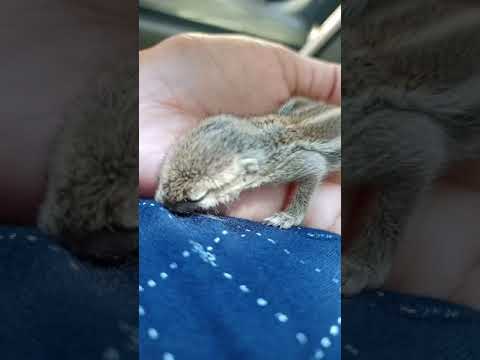
Let’s look at what baby squirrels actually do before their eyes open, how mom and the drey keep them safe, and what changes once they can see.
Developmental Changes Before Eyes Open
Newborn squirrels show up tiny, blind, and with no fur at all.
Their eyelids stay shut for about three to four weeks, while fur comes in, teeth start to form, and their muscles get a bit stronger.
During this stage, they eat a lot and gain weight.
Mostly, they just wriggle and crawl toward warmth. They’re not climbing or leaving the nest yet.
Tiny front teeth usually pop up around week three, with claws hardening a bit later.
They can’t really control their body temperature at first.
Kits huddle with siblings and burrow into the nest lining for warmth.
A wildlife rehabber will track weight, fur growth, and activity to make sure things are on track.
If those signs fall behind, the babies might need some extra help.
The Role of the Mother and the Drey
The mother squirrel builds and keeps up the drey—a cozy nest made of leaves and twigs, usually in a tree cavity or a fork.
She comes back every few hours, mostly at dawn and dusk, to nurse and groom the pups. The drey’s insulation, plus her body heat, keeps the babies warm and snug.
She’ll stay alert to protect the nest, and she moves the kits if there’s any danger.
If a baby falls from the nest, it’s best to leave it near the tree or call a rehabber for advice.
In rehab, caretakers try to copy the mom’s routine: they provide warmth, feed a formula that matches the species, and handle the kits as little as possible to keep stress down.
Next Steps After Eyes Open
When their eyes finally open—usually around 3 to 4 weeks—kits start out seeing the world as a blur. But wow, that changes pretty quickly. You’ll probably spot them moving with a bit more coordination, stretching those little legs, or even trying to climb around inside the drey.
They’ll start poking around, exploring just a bit, and sniffing at solid food. Still, milk does most of the heavy lifting for their growth at this point.
Between 6 and 10 weeks, things get lively. Kits begin play-fighting, climbing with more confidence, and testing their balance.
The mother will gradually spend more time away, nudging them toward independence. If you’re a wildlife rehabilitator, you’ll want to encourage safe climbing and introduce natural foods now to get them ready for the wild.
Curious about when eyes usually open? The U.S. Fish and Wildlife Service has more details here: learn more about typical eye-opening timing from the U.S. Fish and Wildlife Service.


