
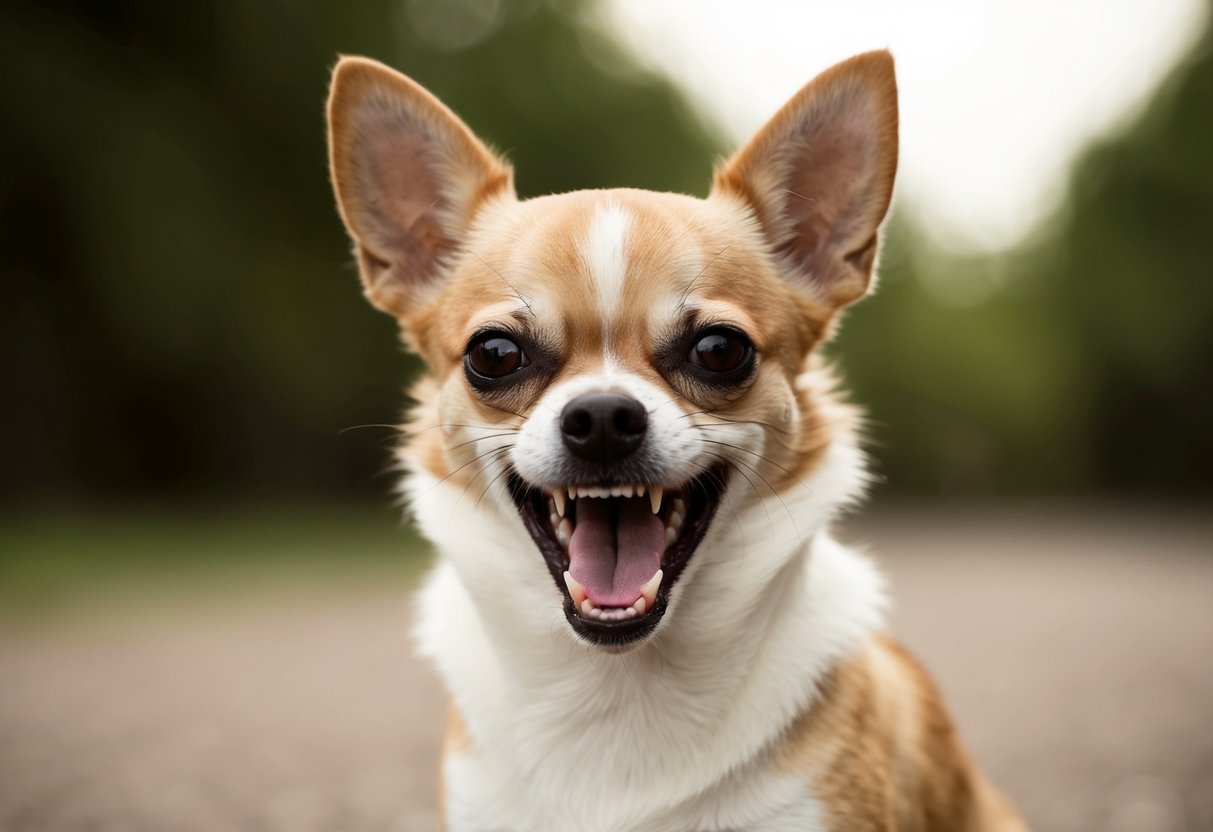
When it comes to small dog breeds, some might surprise you with their bold and aggressive traits. While size doesn’t always determine temperament, certain small dogs can display strong personalities that may lead to aggressive behavior. The Dachshund is often considered the most aggressive small dog, known for its fearless nature and tendency to act defensively.
As you dive deeper into the world of small dog breeds, you’ll find that many have distinct characteristics shaped by their breeding and upbringing. Understanding these traits can help you choose the right pet for your lifestyle and prepare for any challenges that may arise.
By knowing which breeds are more likely to display aggressive tendencies, you can make an informed decision and create a harmonious home.
Join us as we explore various small dog breeds, their behaviors, and tips for managing their unique personalities. Uncover the factors that influence their aggression and learn how to provide the right training and socialization for a well-rounded companion.
Understanding Canine Aggression
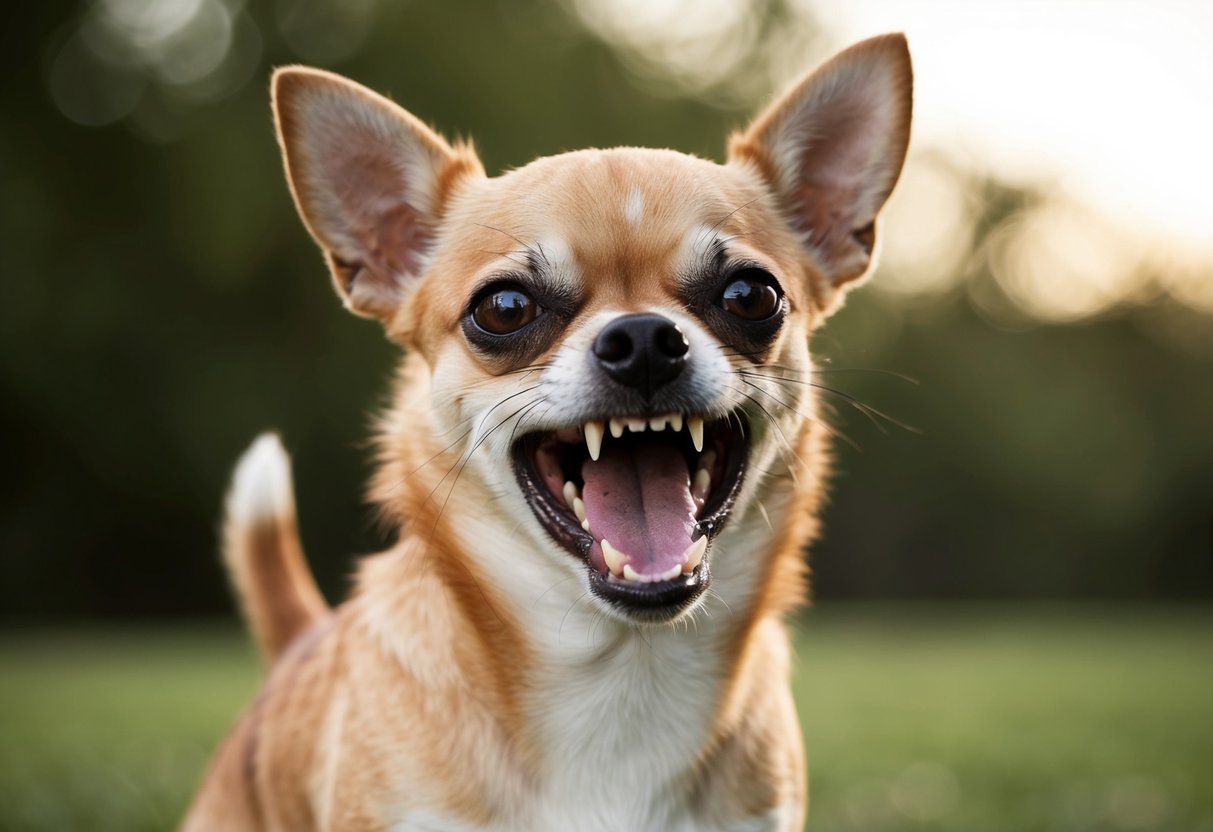
Canine aggression can be a tricky subject for dog owners. Knowing more about it will help you recognize and address aggressive tendencies in your small dog.
What is Canine Aggression?
Canine aggression refers to behavior that can threaten another dog or person. It often shows up as growling, snapping, or biting. This type of behavior can come from a desire to protect territory, fear, or even frustration.
Aggressive dogs can behave this way due to past experiences or their environment. Understanding what canine aggression is can help you better manage your dog’s behavior. Many small dog owners experience similar issues, so you’re not alone in dealing with these challenges.
Factors Contributing to Aggression in Small Dogs
Several factors can lead to aggression in small dogs. Often, fear is a major reason. Smaller dogs may feel more vulnerable and act out aggressively.
Another factor is treatment by their owners. If small dogs are given less training or discipline than larger breeds, it can lead to inconsistent behavior. Not all small dogs will act aggressively, but being aware of these triggers can help.
Other influences include genetics and socialization. Certain breeds may be more prone to aggressive tendencies. Properly socializing your dog from a young age can help reduce this risk.
Recognizing Signs of Aggression
Being able to recognize signs of aggression can help you prevent incidents. Common signs include:
- Growling: A warning sign that your dog feels threatened.
- Snapping: A quick bite without making full contact is a clear indicator.
- Lunging: This shows your dog is ready to react, often out of fear.
- Baring teeth: This can signal that your dog is defensive.
Always pay attention to your dog’s body language. Tail position, ear posture, and overall demeanor can also give clues. If you see any of these behaviors in your dog, it’s a good idea to seek advice or training. By being proactive, you can ensure better behavior and a happier relationship with your small dog.
Characteristics of Small Dog Breeds

Small dog breeds come with unique features that set them apart. Understanding these characteristics helps you appreciate their charm and manage their behavior effectively.
Defining Small Dog Breeds
Small dog breeds typically weigh under 20 pounds. Examples include Chihuahuas, Dachshunds, Pomeranians, Shih Tzus, and Papillons. These breeds are often less than 12 inches tall at the shoulder.
Their small size makes them ideal for apartment living. Despite their little stature, they can be bold and confident. This trait often contributes to misunderstood aggression if they feel threatened.
It’s essential to recognize that small dogs can have a larger mindset. Their size does not limit their energy levels or personalities. Many small breeds are known for being lively and playful companions.
Behavioral Traits of Small Dogs
Behaviorally, small dog breeds can be both spirited and, at times, aggressive. This aggressiveness often stems from a desire to protect themselves or their owners. Chihuahuas and Dachshunds are especially known for being feisty.
Training and socialization are crucial. A well-trained small dog is less likely to display unwanted aggressive behavior. Tasks such as obedience training can help instill good habits early on.
It’s also important to note that small dogs benefit from mental stimulation. Engaging toys and training exercises keep their minds active. Small breeds can be loving companions but require your guidance to thrive as well-rounded pets.
Most Notable Aggressive Small Dogs
When considering small dog breeds known for their assertive behavior, a few stand out. These dogs not only have small sizes but also show strong personalities. Here are some notable breeds that often display aggression.
The Chihuahua: Small Size, Big Personality
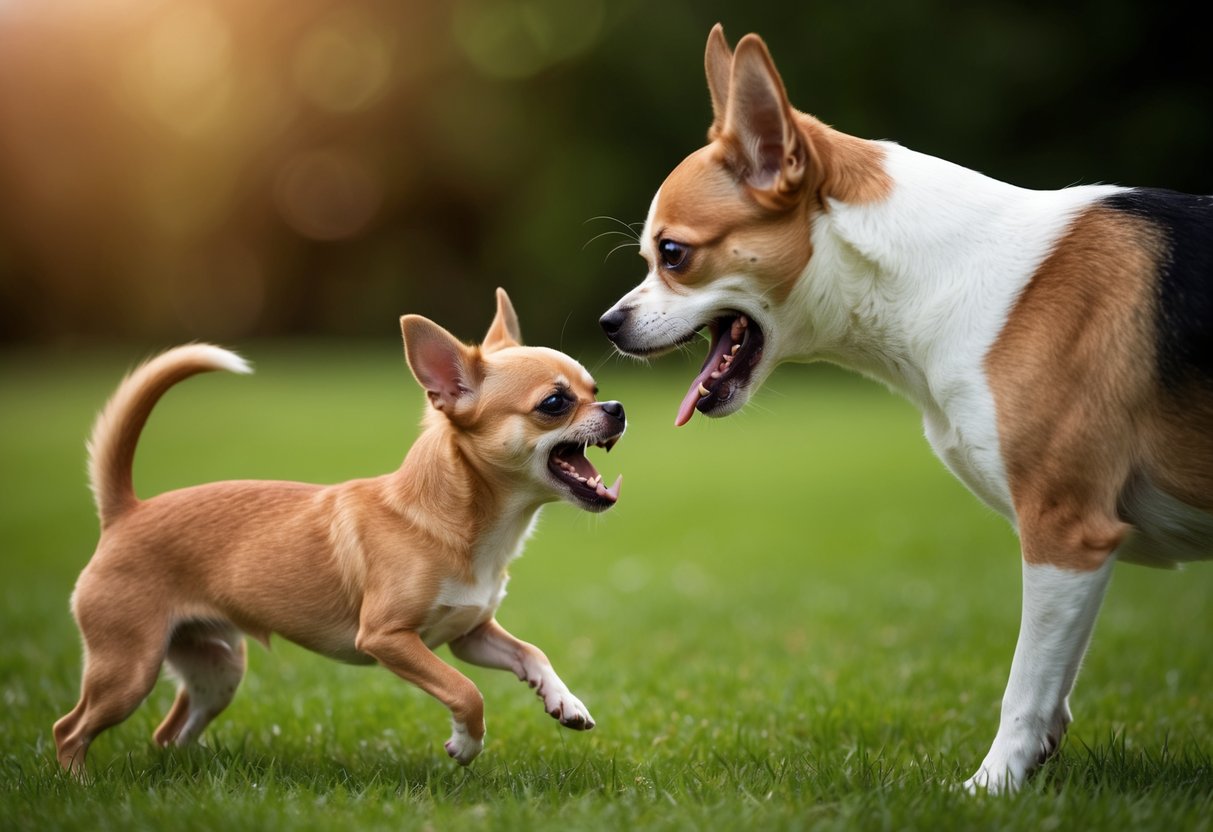
Chihuahuas are one of the most well-known aggressive small dog breeds. Despite their tiny stature, these dogs can be very assertive. They tend to be fiercely loyal, which can lead them to become territorial.
If they feel threatened or if someone enters their space, Chihuahuas may bark loudly or even snap. Proper socialization is crucial to help them behave well around strangers and other pets.
Always supervise their interactions, especially with larger dogs, as they might not realize their size limits. Understanding their behavior can help you enjoy a better relationship with your feisty friend.
Jack Russell Terrier: Energy and Assertiveness
Jack Russell Terriers are full of energy and intelligence. This breed is known for being strong-willed and sometimes aggressive, especially if they feel challenged.
Their high energy level means they need lots of exercise and mental stimulation. If they’re not properly engaged, they can become restless and display aggressive tendencies.
Training is essential to manage their behavior. With consistent training, you can harness their intelligence and energy into positive actions. They can be loving companions when their needs are met.
Dachshund: The Fearless Protector
Dachshunds may be small, but they have a reputation for bravery. Originally bred for hunting, they can display aggressive behavior if they feel their territory is threatened. Their loyalty to owners is strong, which can cause them to protect you fiercely.
Socialization plays a key role in their behavior. Exposing them to different situations and people from a young age can help curb aggressive tendencies. Remember, their growls and barks are often just their way of expressing themselves.
With the right training and care, you can enjoy the spirited nature of a Dachshund while keeping aggression in check.
Managing Aggression in Small Dog Breeds
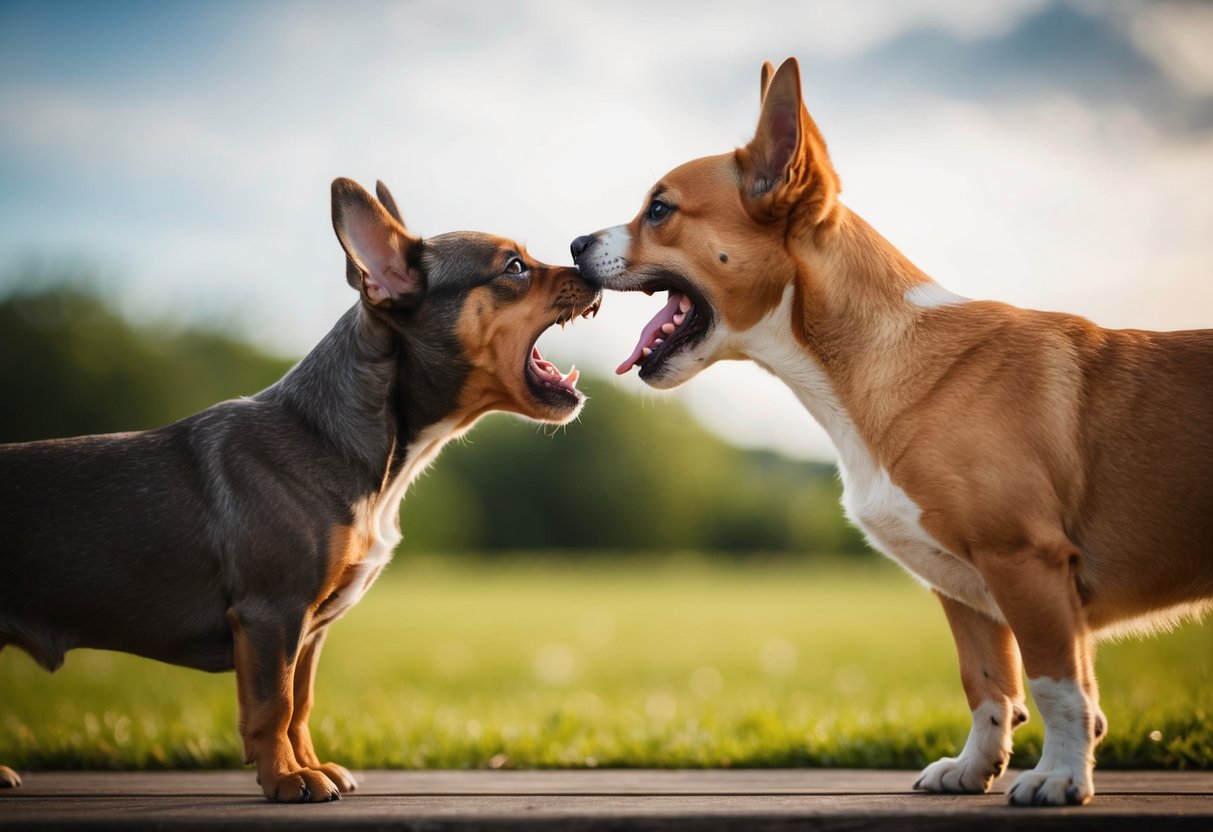
When dealing with aggressive behavior in small dog breeds, it’s important to focus on effective training techniques, socialization, and when to seek professional help. These elements can work together to create a balanced environment for your dog.
Training Techniques to Reduce Aggression
Training is essential in managing small dog aggression. Start with positive reinforcement methods, such as treats or praise, when your dog behaves well. Avoid punishment, as it can increase fear and aggression.
Establish clear commands. Dogs thrive on structure. Use consistent words for commands like “sit” or “stay.” This clarity helps your dog understand what is expected.
Incorporate training sessions into daily routines. Short, frequent sessions are more effective than lengthy ones. Aim for 5-10 minutes, focusing on one behavior at a time.
Finally, consider teaching your dog coping techniques for stressful situations. This might include commands to redirect their focus during encounters with other dogs or unfamiliar people.
The Role of Socialization
Socialization is crucial for reducing aggression. Expose your small dog to various environments, people, and other animals. Early exposure helps them feel more comfortable and confident in different situations.
Start socialization when your dog is a puppy, ideally between 3 to 14 weeks. Each new experience during this period shapes their comfort level with the world around them.
Use controlled settings for socialization. Arrange playdates with friendly dogs. Visit dog parks during quieter hours to help your dog learn to interact without feeling threatened.
Always monitor your dog’s reactions. If they show signs of stress or aggression, calmly remove them from the situation. Gradually reintroduce them to social encounters as they become more comfortable.
Professional Help for Aggressive Behaviors
If your dog’s aggression is concerning or difficult to manage, seeking professional help is a smart move. Certified dog trainers or animal behaviorists have the experience needed to assess and address aggressive behaviors.
Before choosing a professional, check their credentials and reviews. Look for someone who uses positive reinforcement techniques. You want a trainer who aligns with your training philosophy.
During sessions, expect your trainer to work with both you and your dog. This collaboration helps you apply effective strategies at home. They may also guide you through specific issues, like protective instincts that can lead to aggressive behavior.
Don’t hesitate to reach out for help if needed. Addressing aggression early prevents problems from escalating and keeps your dog and others safe.


