
You might expect giraffes to live about as long as other big mammals, but honestly, the reality’s a bit surprising. In the wild, giraffes usually make it to around 20–25 years, but in protected care, some reach their late 20s or even cross the 30-year mark. Let’s dig into why those numbers shift and what really shapes a giraffe’s life.

Plenty of things affect a giraffe’s lifespan—think predators, food, social stuff, and health. We’ll look at some clear examples and facts to help you get what makes the giraffe life cycle tick, and maybe why a few lucky ones beat the odds.
How Long Do Giraffes Live?
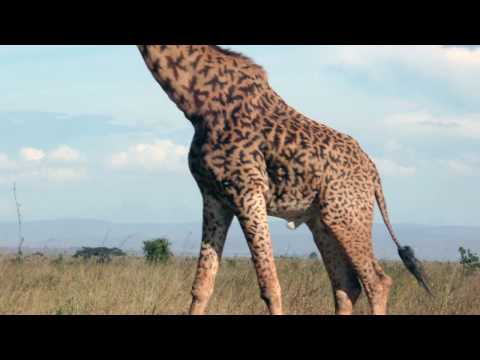
Most giraffes reach adulthood and can stick around into their mid-20s. Lifespan swings a lot depending on threats, care, and even species, so while some giraffes get old, others just don’t make it.
Lifespan in the Wild vs. Captivity
Out in the wild, giraffes usually live about 20–25 years. Calf deaths hit hard—sometimes, half the Masai giraffe calves in a region die in their first six months.
Predators like lions, hyenas, leopards, wild dogs, and crocodiles make early life risky. Habitat loss and disease knock years off too.
In captivity, giraffes often reach their late 20s or even 30, mainly because keepers provide steady food, medical care, and protection from predators. Some zoo giraffes have made it past 30 with good care.
Key differences
- Wild: more calf deaths, unpredictable adult risks, average lifespan around 20–25 years.
- Captivity: little predation, regular vet care, averages closer to 30 years.
Oldest Recorded Giraffes
Some wild giraffes have managed to live beyond 30 years, especially in areas with long-term monitoring. The Giraffe Conservation Foundation followed Angolan giraffes in northwest Namibia and found individuals still going strong after decades.
Zoos have seen giraffes hit about 31 years or a bit more. Records change depending on the zoo and species. For example, well-managed northern or reticulated giraffes sometimes make it into their early 30s with consistent nutrition and vet attention.
Notable points
- Long-term field studies give us the best wild age data.
- Captive giraffes often set the official longevity records.
Differences Between Male and Female Longevity
Male giraffes don’t usually live as long as females. Males fight for mates and compete physically, and those battles lead to more injuries and stress.
Adult male mortality goes up after serious fighting or when food gets scarce and they have to roam more.
Females tend to live longer because they stick to stable groups, avoid most fighting, and get social support when raising calves. Sure, reproduction takes a toll, but if they survive the risky calf years, females often outlast the males.
Species and region play a part too. Some subspecies—like Masai, reticulated, northern, southern, or Thornicroft’s—deal with different predators and habitats, which shifts the survival gap between males and females.
The Giraffe Life Cycle & Factors Affecting Lifespan

Giraffes start as wobbly newborns and, if they’re lucky, grow into tall adults that can defend themselves. Early survival, predators, disease, nutrition, and even human activity all play a part in how long they last.
Stages: Newborn to Adult
A newborn giraffe drops to the ground at birth—pretty wild—and usually stands up within an hour. Calves grow quickly, learning to nibble on acacia and other trees while staying close to their moms for safety.
Young giraffes often join loose nursery groups. That helps lower the risk from leopards and hyenas, though it doesn’t make them totally safe.
Females reach sexual maturity at around 3–4 years, while males take longer and often fight by “necking” to win mates. Adults can get up to 18 feet tall and belong to the family Giraffidae, which is part of the order Artiodactyla—same group as the okapi.
Growth, social rank, and how much they can eat all affect a giraffe’s shot at living into their 20s or longer.
Predation and Natural Threats
Predators hit giraffes hardest when they’re young. Leopards, lions, hyenas, wild dogs, and crocodiles all go after calves or weaker animals.
Infant mortality can get pretty high—lots of calves don’t make it through their first year if predators are everywhere.
Most adult giraffes steer clear of predators thanks to their size and powerful kicks, but a pride of lions can still take down an adult. Dense habitat makes ambushes easier.
When predators are rare, more calves survive and the population gets older and bigger.
Disease, Nutrition, and Environmental Challenges
Disease outbreaks like rinderpest have slammed ungulates in the past and wiped out local giraffe numbers. Parasites and bacterial infections take a toll too, especially if the giraffes aren’t eating well.
Seasonal droughts can be rough. Dry years mean less acacia and other browse, so giraffes lose body condition.
Giraffes rely on a variety of trees and the height of available leaves. If their habitat loses key food trees, they face malnutrition, fewer calves, and higher calf loss.
Keeping an eye on health, water, and food sources really matters if you want giraffes to live longer.
Human Impacts and Conservation Efforts
Habitat loss, fragmentation, and poaching are pushing giraffe numbers down all over Africa. Roads and farms break up herds and block access to acacia stands, which messes with their feeding and migration.
You’ll notice populations dropping fast when people change how they use the land. Conservation groups—like the Giraffe Conservation Foundation—track individual giraffes and work to protect their habitats.
These groups run anti-poaching patrols, set up community land agreements, and try to reconnect patches of habitat by restoring corridors. If you support these efforts, you’re giving calves a better shot at survival and helping adult giraffes stick around so the population can bounce back.


