
You usually get the best results from a layered plan, not a single quick fix.
If you want to treat bed bugs effectively, combine inspection, heat or steam, vacuuming, mattress protection, and careful follow-up until you address every hiding spot.
Integrated pest management works best because it targets both visible and hidden bugs.
If you catch a small infestation early, you may be able to control it yourself.
When bed bugs spread into walls, furniture, or multiple rooms, professional pest control often provides faster results.

What Actually Works First

Begin by removing hiding places, killing active bugs, and keeping survivors from reaching you.
A layered approach gives you a better chance of getting rid of bed bugs.
Why Integrated Pest Management Beats One-Off Fixes
Integrated pest management uses inspection, targeted treatment, monitoring, and prevention together.
This method works better than single chemical treatments because bed bugs hide in seams, frames, and furniture, then return after the surface spray wears off.
When DIY Can Work And When It Usually Fails
DIY methods can work for small, early infestations if you act fast and stay consistent.
The EPA’s bed bug guidance notes that treatment can take weeks to months, so spotty effort often fails.
Why Heat, Steam, Vacuuming, And Encasements Matter Most
Heat treatment and whole house heat treatment kill bed bugs in treated items when done correctly.
A vacuum cleaner removes bugs and debris, while mattress encasements trap pests in mattresses and box springs so they cannot feed or escape.
How To Treat An Infested Room Step By Step
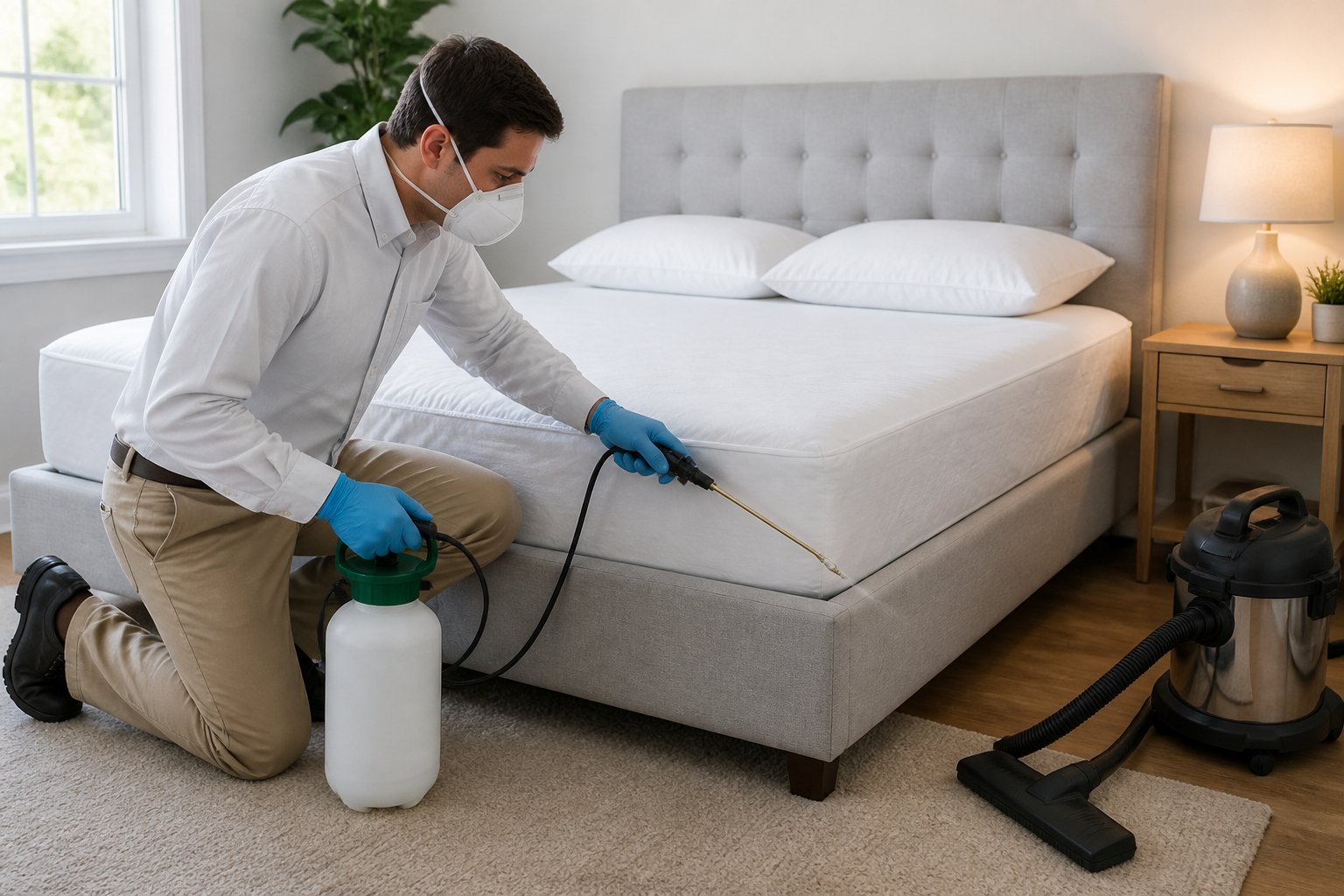
Start with the bed, then move outward in a careful sweep.
Find the infestation, remove as many bugs as possible, and isolate sleeping areas so bed bug bites stop while you treat the room.
Inspect Beds, Furniture, And Hidden Harborages
Check mattress seams, bed frames, headboards, nightstands, dressers, cracks and crevices, box springs, and the edges of nearby furniture.
Look for bed bug eggs, shed skins, and live bugs, since those clues show where the infestation is active.
Launder, Steam, Vacuum, And Isolate The Bed
Wash and dry bedding on hot settings, then vacuum seams and edges carefully.
Use steam to reach deeper into fabric and frame joints, and use mattress covers and encasements to isolate the bed while you continue treatment.
Seal Hiding Spots And Set Monitors
Reduce clutter and seal obvious gaps.
Place bed bug traps or interceptors under bed legs to help you track activity over time.
Which Products Help And Which Ones Waste Time

Some products support your plan, but others waste time.
The best products are targeted, clear on the label, and fit into a larger treatment plan.
Desiccant Dusts, Sprays, And Residual Options
You can use products like diatomaceous earth in dry cracks and voids if you apply them lightly and correctly.
Bed bug sprays and other formulas may offer residual protection and help with ongoing contact control on labeled surfaces.
Why Foggers And Quick-Fix Remedies Often Backfire
Foggers scatter bugs into new hiding spots instead of stopping them.
Quick fixes like rubbing alcohol, baking soda, and baby powder are unreliable and can create fire risks or cleanup problems without helping you control bed bugs.
How To Use Contact Killers Safely
Use contact products only as directed on the label.
Keep them away from people, pets, and food areas.
If you use a spray, focus on seams, cracks, and labeled surfaces instead of soaking mattresses or treating every inch of the room.
When To Call A Professional

If bed bugs keep showing up after repeated cleaning and treatment, you probably need expert help.
A pest control specialist can confirm the problem and choose treatments that fit your home.
Signs You Need Expert Help Now
Call sooner if you see bugs in multiple rooms, keep getting bites, or find activity after several rounds of DIY work.
Heavy clutter, wall voids, or spread into furniture and baseboards also mean you should consider professional extermination.
What A Pest Control Specialist May Recommend
Professional pest control may include targeted sprays, steam, monitoring, or whole house heat treatment.
A professional exterminator can adjust control methods based on how far the infestation has spread and which areas are hardest to reach.
How To Choose Professional Bed Bug Help
Find a company that explains its inspection steps clearly. Make sure they provide written treatment plans.
Ask about their monitoring process. Find out what bed bug treatments they use.
Ask how they reduce the chance of reinfestation after service.


