
If you’re hoping to bring more bees into your garden, start by planting a mix of native flowers that bloom at different times of the year. Honestly, bees seem to love sticking with flowers they’re familiar with, so native plants just make sense.
This steady supply of food keeps your garden lively and full of buzzing energy.

Try to skip the pesticides, and offer some fresh water nearby. When you create a safe, welcoming space, you’ll notice more bees hanging around and pollinating your plants.
With a little care and the right flowers, you’ll probably see your garden thriving with blooms and busy bees.
You might want to look up plants and tips that fit your area if you’re serious about making your garden a bee magnet. For more inspiration, check out tips on how to attract bees to your garden.
Most Effective Ways to Attract Bees to Your Garden
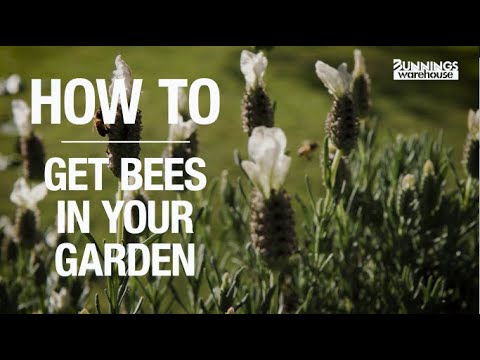
If you want to attract bees, start with your plant choices and gardening habits. Focus on flowers that offer nectar, pick native varieties that do well in your region, and keep your garden blooming as long as possible.
Skip the chemicals—they’re just not good for pollinators.
Choosing Bee-Friendly Flowers
Pick flowers loaded with nectar and pollen if you want bees to visit. They seem to love bright colors, especially yellow, blue, and purple.
Go for flowers like lavender, bee balm, sunflowers, and borage. Herbs like mint, thyme, rosemary, and fennel also work wonders because their scents pull in pollinators.
Stick to flowers with simple, open shapes so bees can actually reach the pollen. Double-flowered types usually hide the good stuff, making it tough for bees.
Mix perennials and annuals to keep your garden interesting and keep bees coming back every year.
Planting Native Plants and Wildflowers
Native plants just work better because they fit your local soil, climate, and bee species. Try adding things like milkweed, goldenrod, black-eyed Susan, lupine, and clover.
A wildflower patch with lots of native blooms draws in all sorts of insects. These plants usually need less water and fuss, so they’re easier to care for.
Scatter wildflower seeds in a few spots to create little bee-friendly habitats.
Creating Diversity with Blooms All Season
Bees need food from early spring through late fall. Plant flowers that bloom at different times so there’s always something for them to eat.
Start with snowdrops and crocuses in early spring. Keep things going with roses, marigolds, foxglove, daisies, and squash flowers into the summer and fall.
Mix up annuals, perennials, and herbs to keep the blooms coming. This variety helps all kinds of bees, from honey bees to native species.
Having both single flowers and clusters gives bees plenty of options.
Using Natural Pest Control Methods
Skip the pesticides—they just mess things up for bees. Try companion planting with garlic, lemongrass, cinnamon, and marigolds to keep pests away.
Grow a healthy herb garden with thyme, mint, and rosemary to attract helpful bugs that eat pests. Leaving a few wild corners in your garden gives bees spots to shelter and nest.
Creating a Bee-Friendly Habitat

If you want more bees, give them the right resources and safe places to hang out. Offer clean water, spots to nest, and let parts of your garden grow wild.
Supporting a mix of plants and habitats will help other pollinators too.
Providing Water Sources and Bee Baths
Bees need water—not just for drinking but to cool their hives. Set out a shallow bird bath with fresh water.
Toss in small stones or floating corks so bees can land safely. Change the water often to keep it clean.
Skip the chemicals here too, since they can hurt bees. Just a simple water dish near your flowers makes a big difference.
Building Shelters and Nesting Spots
Lots of bees, like mason bees and bumblebees, need safe places to nest. You can make a brush pile or leave patches of bare soil for ground-nesting bees.
Try putting up a bee hotel—a small box filled with tubes or holes where solitary bees can stay. Keep these spots out of the wind and rain, and try not to disturb them.
Letting Your Garden Grow Wild
Letting part of your garden go a bit wild with native wildflowers gives bees food all season long. They really go for flowers packed with nectar and pollen, especially blue, white, yellow, and purple blooms.
Don’t mow everything at once. Leave some spots to flower longer so bees get more choices.
This wild growth attracts more pollinators and keeps your garden buzzing from spring to fall.
Supporting a Diversity of Pollinators
Bees get most of the attention, but they aren’t the only pollinators out there. Butterflies, hoverflies, and all sorts of other insects play a big part in helping plants reproduce.
If you plant a mix of native flowers that bloom at different times, you’ll attract a wider range of pollinators. It turns your garden into a welcoming spot for all kinds of helpful bugs.
Try to skip pesticides if you can, especially if you or someone nearby has a bee allergy. When you support a variety of pollinators, your garden’s health and balance usually get a noticeable boost.
Want to dig deeper? Check out some more tips for creating a bee-friendly backyard habitat.


