
Ever wondered how long a bumblebee queen actually lives? You’re definitely not the only one. The queen has a pretty unique role in her hive, and honestly, her life’s nothing like the rest of the bees.
A queen bumblebee usually lives about a year, from when she first emerges to the end of her life cycle.
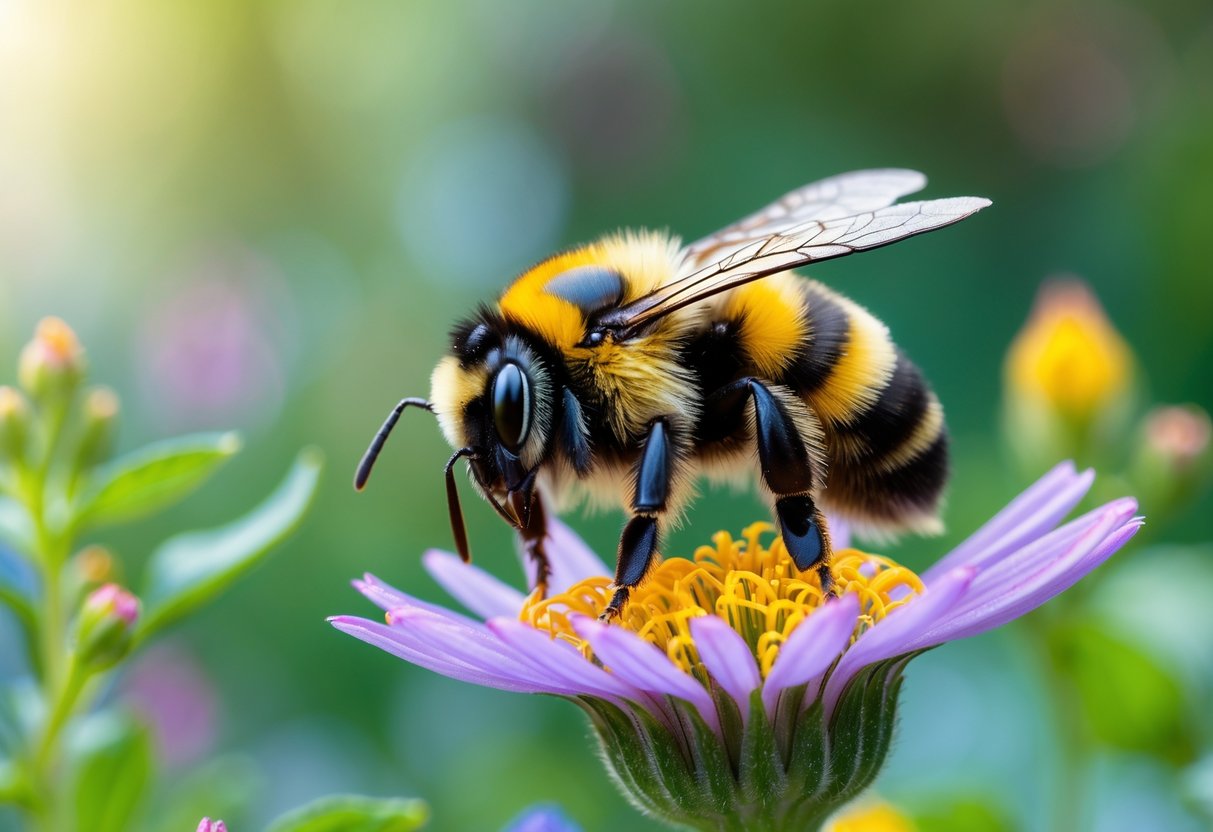
In that year, she goes through some big moments—mating, hibernating, and then starting a whole new colony when spring rolls around.
Her life might sound short, but wow, she packs in a lot. Every step she takes keeps her colony going.
Honestly, once you get how her life works, you start to see just how important her job is.
If you stick around, you’ll see what she goes through in each phase and maybe get why her life is so different from the other bees.
You can always dig deeper into her year-long journey and see how she holds her hive together.
Bumblebee Queen Lifespan and Life Cycle

The bumblebee queen has a pretty crucial job in her colony.
She lives about a year, and her life breaks down into a few big stages.
Let’s look at what happens during her life and how her time compares to the other bees.
How Long Does a Bumblebee Queen Live?
Most bumblebee queens make it about a year.
During that time, she starts the colony, runs things, and survives a tough hibernation over winter.
Her life stretches through all the seasons—from waking up in spring to her last days after the colony cycle wraps up.
That’s a lot longer than the rest of the bees get.
Key Stages of the Queen’s Life Cycle
Her story begins when she crawls out of hibernation in early spring.
She immediately starts searching for the perfect place to build her colony.
Once she picks her spot, she lays eggs and raises the first workers.
These new workers soon take over the chores, like nest care and food collecting.
By summertime, the colony gets pretty big, and the queen shifts her focus.
She starts producing new queens and male bumble bees.
Those new queens will mate, then hibernate as winter comes, kicking off the whole cycle again.
Comparison With Worker Bees and Drones
Worker bees don’t get nearly as much time.
Depending on what they do, workers usually last just 2 to 6 weeks.
They’re the ones hustling for nectar and keeping the nest together.
Male bumble bees—drones—live even shorter lives.
They’re around mainly to mate with new queens, and that’s about it before they’re gone.
So, the queen outlives everyone in the colony.
She’s the one keeping things going all year, while the others might only get weeks or a couple months.
For more info on the bumblebee queen’s lifespan and her life cycle, you can check out this page.
Factors Affecting the Lifespan of a Bumblebee Queen
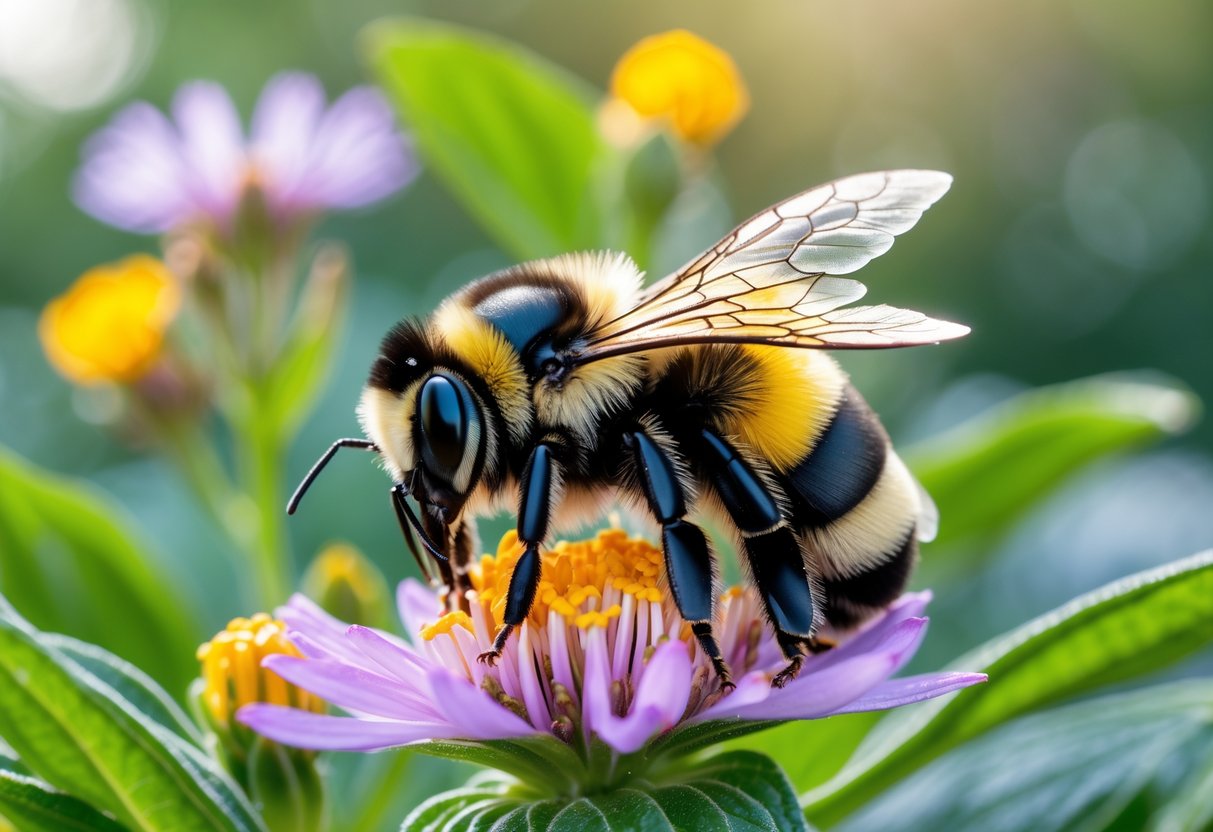
A bunch of things can change how long a bumblebee queen sticks around.
Weather, food, and threats from predators or disease all matter a lot.
These factors shape her chances to start and protect her colony and make it through each stage.
Environmental Conditions and Habitat
Where your queen bumblebee lives really matters.
She needs a safe spot to hibernate in winter and a decent place to build her nest.
If it’s too cold, wet, or even super hot, her odds of making it drop.
Living in cities or on farms with not many flowers makes things tough.
She struggles to find food and shelter in those places.
Areas packed with wildflowers and hiding spots let queens live longer.
A good habitat helps pollinators like bumblebees and honey bees, which is a win for the whole ecosystem.
Role of Food Sources: Nectar and Pollen
The queen needs plenty of nectar and pollen to keep going.
Nectar gives her energy, and pollen gives her protein—both for her and her growing colony.
If she can’t find enough food, her life gets cut short, and she can’t raise as many young.
Flowers bloom at different times, so having a steady supply makes a big difference.
Gardens and wild areas with lots of flower types help queens find what they need.
Since bumblebees and honey bees both go for nectar and pollen, keeping habitats full of flowers helps all of them thrive.
Protecting these areas means healthier queens and more pollinators buzzing around.
Impact of Diseases and Predators
Diseases and predators really threaten the queen’s life. Fungi and viruses sometimes weaken her or even stop her from reproducing.
Some diseases spread fast when colonies get crowded. That’s a tough situation for any queen.
Birds, spiders, and wasps often go after the queen. She’s especially at risk when she’s hibernating or just starting her colony.
These dangers make it less likely she’ll live out the whole year. It’s honestly a tough world out there for her.
If you want to help, try to keep her environment safe and clean. Supporting healthy habitats can lower disease risks and keep predators away.
With a bit of effort, your queen bumblebee might just enjoy a longer, healthier life.


