
If you’ve watched Bird Box and found yourself wondering what it’s really about, you’re definitely not alone. The movie dives into survival, fear, and how far we’ll go to protect the people we care about.
At its heart, Bird Box explores how people deal with unseen dangers by relying on gut instincts and clinging to hope, even when everything feels totally uncertain.

You follow Malorie as she faces some pretty impossible odds, guiding two kids through a world where simply looking at the wrong thing can destroy you. The blindfolds, the birds, the river—they all stand for different pieces of this fight to stay alive and connected.
As you get deeper into the story, it becomes clear it’s not really about monsters. It’s about pushing forward when everything’s stacked against you.
Bird Box isn’t just a thriller. It’s a look at what makes us human and how we deal with fear, loss, and the unknown.
If you want to dig into the meaning behind all the suspense, check out Bird Box Explained: the Movie’s Themes and Symbolism.
Understanding the Core Purpose of Bird Box

The story throws people into a world with a deadly, invisible threat. Malorie fights to keep herself and two kids alive, knowing that one wrong glance could mean death.
Losing sight changes everything about how they survive, how they feel fear, and who they trust.
Exploring the Unseen Threat and its Significance
You never actually see what’s causing all the chaos in Bird Box. This invisible force drives people instantly mad and pushes them over the edge.
It stands in for the fear of the unknown, showing how something you can’t even see can take over your whole life.
Because the danger stays hidden, you’re left to imagine it yourself. That keeps you tense and makes you realize how fear can shape what you do, even when you don’t have all the facts.
The unseen threat forces everyone to use their other senses. It cranks up the tension and keeps survival front and center.
Malorie’s Journey and the Struggle for Survival
Sandra Bullock’s Malorie sits right at the center of the story. She’s a single mom, and she’s got to protect two kids in a world where seeing is deadly.
You watch her trust her instincts and make some seriously tough calls.
Her trip down the river with the children—everyone blindfolded—shows just how rough survival can get. She deals with dangerous rapids and tries to keep the kids safe, even when it feels impossible.
Malorie’s strength comes from how fiercely she protects the kids and the way her bond with them grows along the way.
The Role of Blindfolds and Blindness
Blindfolds pop up everywhere in Bird Box. They’re both a shield and a barrier.
Characters adapt by giving up sight just to stay alive.
Losing sight makes you think about how much you depend on what you see. It also shows you can still get by if you trust your instincts and pay attention to other senses.
Blindness here isn’t just about not seeing. It’s about facing fear and danger without having all the answers.
You get to see how vulnerability and resilience go hand in hand when the world feels like it’s out to get you.
How Fear, Instinct, and Survival Shape the Story
Fear drives almost everything Malorie and the others do. Sometimes it freezes them, other times it pushes them to act.
The characters get stuck between looking out for themselves and showing compassion. That struggle makes survival even messier.
Instinct turns into their lifeline. Malorie trusts her gut to get them through the wild rapids and keep the kids safe, all while blindfolded.
Survival in Bird Box isn’t just about dodging the unseen threat. It’s about making the tough calls that come with living in such a brutal world.
It’s always a tug-of-war between fear and hope.
Meaning, Symbolism, and Social Commentary
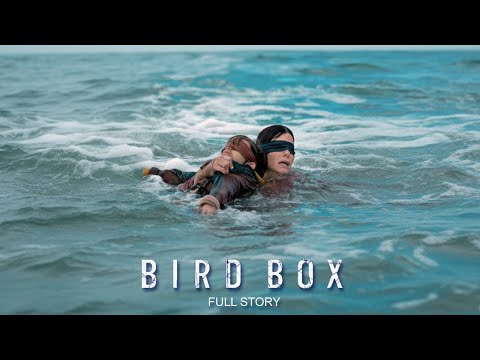
Bird Box uses symbols and themes to dig into big questions about how people handle fear, trust, and survival when things get rough.
You’ll notice mental health struggles, the need for community, and the bonds between parents and kids all pop up as the characters try to find safety.
Mental Health, Society, and the Monster’s Metaphor
That invisible force in Bird Box isn’t just some random monster. It stands in for mental health struggles that can hit without warning.
When someone sees it, they lose control. That’s a pretty clear nod to the way mental illness can suddenly take over.
The movie also points out how society tends to ignore or judge people dealing with this stuff, leaving them feeling alone. Blindfolds become a way to block out what could hurt you, a way to protect your mind.
Sometimes, not seeing everything is what helps people survive.
This metaphor lets you feel the fear and confusion of facing something invisible but deadly. It also makes you think about how we treat people who are suffering, often without help or understanding.
The monster and the blindness together highlight just how powerful—and risky—the unknown really is.
Trust, Community, and the Path to Safe Haven
Trust is tough but necessary in Bird Box. Since nobody can see the threat, everyone has to lean on each other to get by.
Building a community means taking chances, letting people in even when you’re scared.
The survivors create a safe haven, a place where they watch out for one another. This place stands for hope and the strength that comes from relying on others.
But tension creeps in when trust breaks down, showing just how fragile it all is.
Blindfolds turn into a shared survival strategy. They make everyone depend on more than just sight, and force careful communication.
This builds not just physical safety, but real emotional connections too. It’s a reminder that community and trust are what help you face the unknown, even when it’s terrifying.
Parent-Child Relationships and Human Resilience
At its core, Bird Box really digs into the bond between Malorie and the two kids. Their relationship shows how a parent’s love can push you to keep going, even when fear and hardship feel overwhelming.
You watch Malorie step up as a protector. She teaches the children survival skills, all while dealing with her own trauma.
This theme looks at the heavy responsibility and sacrifice that come with caring for people you love when everything around you feels dangerous. The kids seem to represent hope for what’s ahead, and Malorie’s determination? It’s a reminder that human strength usually comes straight from our connections.
The story suggests that relationships can fuel courage, even during the worst times. It nudges you to remember that resilience isn’t just about fighting what’s out there—it’s about building trust, care, and a little faith with the people closest to you.


