
Finding a bat in your house at night can be surprising, but it’s important to remain calm. Remember, bats are generally harmless and are just trying to find their way.
To safely get a bat out of your home, you can close off the room, open a window or door, and give the bat a clear exit.
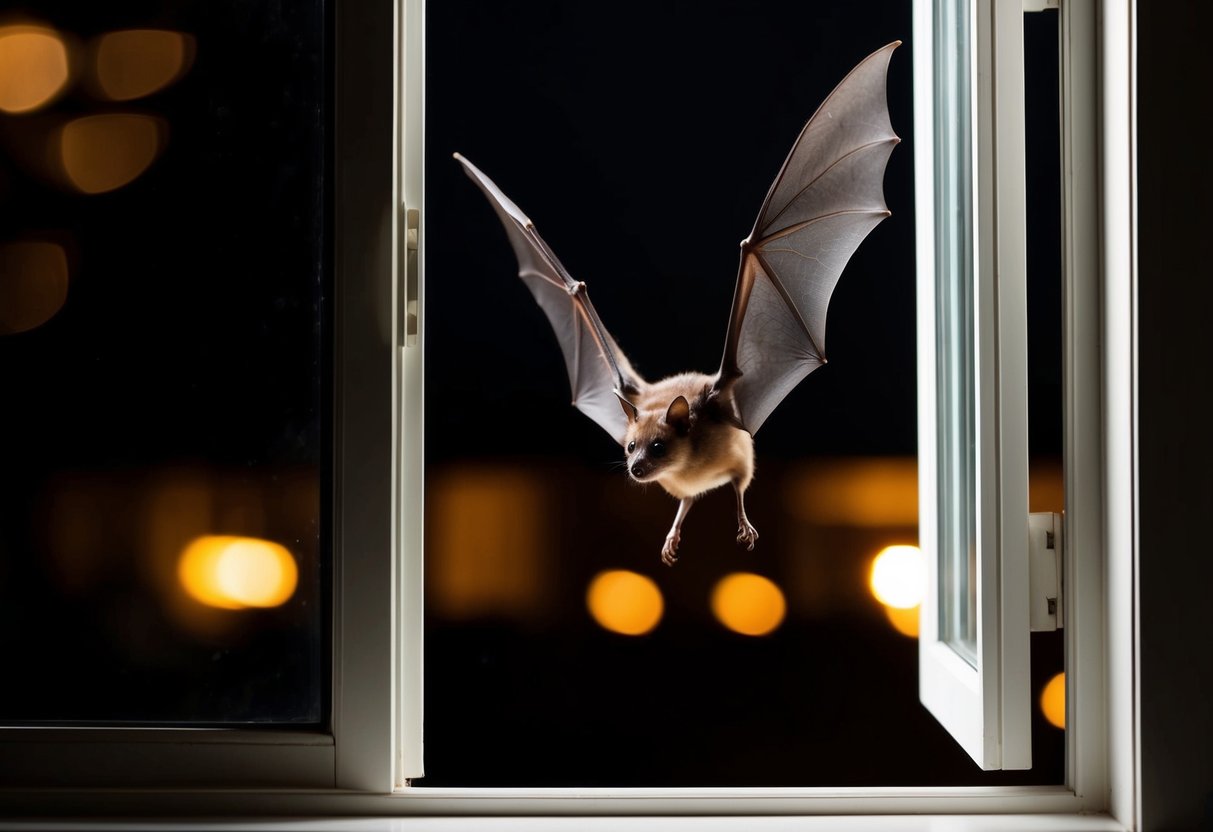
As nocturnal animals, bats often enter homes through small openings, so it’s vital to assess your space for potential entry points.
Ensuring your windows and doors are secure when night falls can help prevent future visits. If a bat does find its way inside, don’t panic.
You can help the bat exit safely by turning off the lights and allowing it to navigate back outside. If the bat doesn’t leave on its own, there are gentle methods to guide it to freedom. Each step you take can ensure both you and the bat have a safe resolution to the situation.
Understanding Bat Behavior

Bats are fascinating nocturnal animals with unique habits. Knowing why they enter homes and the potential health risks can help you handle encounters more calmly and safely.
Why Bats Enter Homes
Bats often find their way into homes out of necessity. They may be searching for food, shelter, or a safe place to roost. Your house might be an appealing option if it has cracks, gaps, or open windows.
Insects are a primary food source for bats, as they eat large quantities of bugs like mosquitoes. They might accidentally stumble into your space while hunting.
Additionally, some bats prefer dark, warm areas to rest, like attics or sheds.
To prevent bats from entering your home, consider installing bat houses nearby. This can provide them with an alternative resting place while helping with bat conservation efforts. This way, you can create a friendly environment for these creatures without inviting them into your living space.
Health Risks Associated With Bats
While bats play an important role in controlling insect populations, they can also pose health risks. Their droppings, known as guano, can harbor harmful fungi that may cause respiratory issues in humans.
Bats are known carriers of rabies, which is a serious viral disease. If you have a bat encounter, it’s essential to avoid direct contact. If you are bitten or scratched, seek medical attention promptly.
By understanding these risks, you can take steps to minimize potential health issues.
Always prioritize safety by securing entry points to your home and removing any attractants like open trash. Engaging with local wildlife experts can also provide insights into safe removal and prevention strategies.
Immediate Actions to Take

If you find a bat in your house at night, it’s important to stay calm and act quickly. Here are steps you can take to help the bat leave safely or what to do if it decides to stick around.
Safely Encouraging the Bat to Leave
First, remain calm. Bats usually do not want to be in your home and will often leave on their own.
Start by opening doors and windows to create exits. Fresh air and light can encourage the bat to fly out.
You can use a plastic container to catch the bat if it lands. Approach it slowly and gently place the container over it.
Then, slide a stiff piece of paper underneath to trap the bat inside. Make sure to wear protective gear, such as gloves, to avoid direct contact.
Once contained, take the bat outside at dusk. Release it in a safe area, away from people and pets, to allow it to return to its natural habitat.
What to Do If the Bat Doesn’t Leave
If the bat doesn’t leave after a while, try to isolate it in a single room by closing doors to other areas. This helps prevent it from roaming around your house.
Keep movement to a minimum to avoid startling it.
Wait patiently. Bats might need time to find their way out. If it’s still there after a few hours, you may need to call a local wildlife control service.
They can help safely remove the bat without harming it or yourself. Make sure to check your home for possible entry points, as this could help prevent future visits.
Preventing Future Bat Entries

To keep bats from entering your home, it’s imperative to focus on identifying entry points and providing alternative habitats for them. This ensures that your living space remains bat-free and reduces the chance of encountering these creatures again.
Identifying and Sealing Entry Points
Start by inspecting your home for potential entry points. Look for small gaps, cracks, or openings in the walls, siding, and roofing. Bats can squeeze through holes as small as a quarter.
Pay special attention to areas around chimneys, vents, and attics, where they might gain access.
Once you find these entry points, seal them using materials like caulk or steel wool. Make sure to remove screens that are damaged or loosely fitted, as these can be easy entry spots.
You can also install bat-proofing measures like one-way doors, allowing bats to exit without coming back. This way, you can effectively prevent them from re-entering your home.
Alternative Bat Habitats
You can help deter bats by providing them with alternative habitats away from your home.
Setting up bat houses in your yard can encourage bats to roost there instead. These houses mimic natural settings and can be placed at least 12 feet off the ground for safety.
In addition, consider using scents that deter bats. They tend to dislike strong odors such as mint, eucalyptus, and cinnamon.
You can place cotton balls soaked in these scents near known entry points. This might help keep them at bay.
By taking these steps, you’ll create an environment that discourages bats from making your home their own.
When to Seek Professional Help
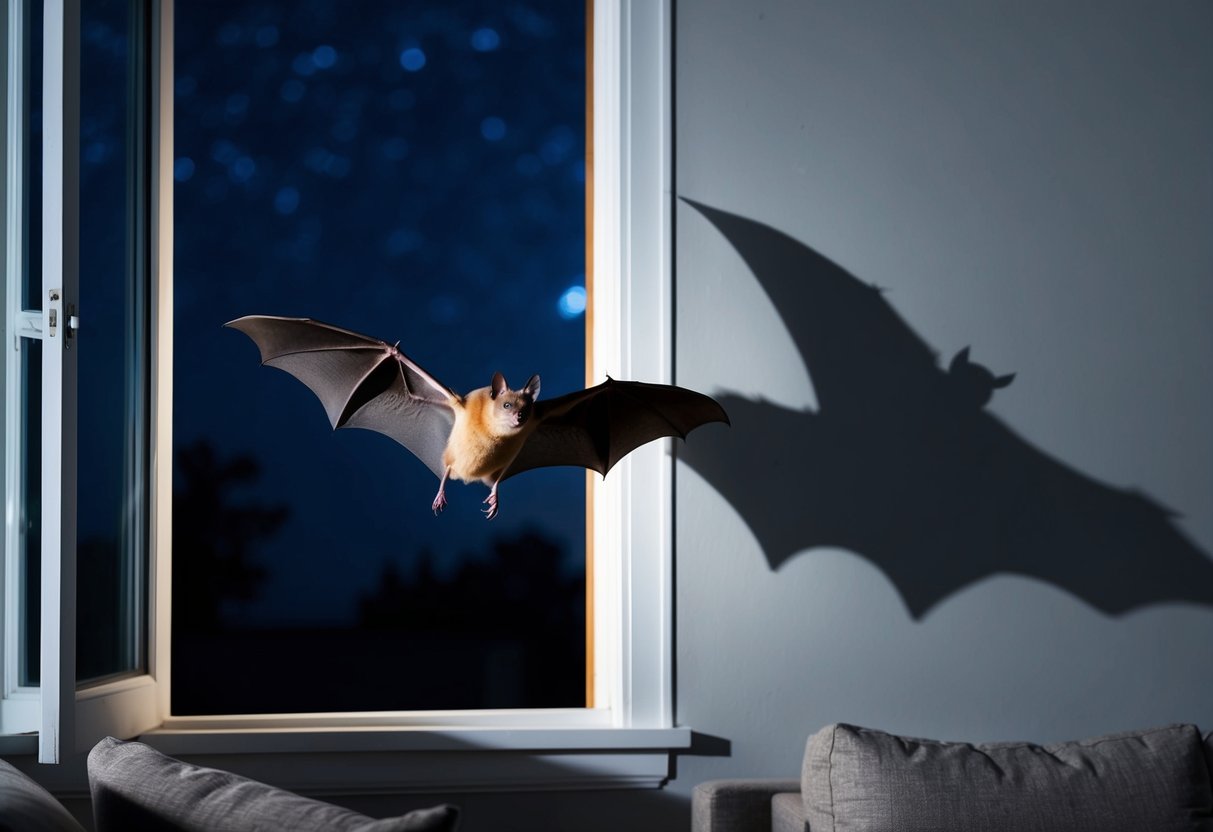
Knowing when to get help is key if a bat enters your house at night. You want to ensure your safety and the well-being of the bat. In case of an infestation or potential bite, it’s wise to contact professionals who specialize in wildlife removal.
Choosing the Right Bat Removal Service
When selecting a bat removal service, make sure to choose licensed wildlife professionals or animal control experts. Look for companies that provide humane removal methods.
Check online reviews and ask for recommendations from friends or neighbors.
Questions to consider include:
- How long have they been in business?
- Do they offer a guarantee on their services?
- What methods do they use to prevent future infestations?
A professional service will also inspect your home to identify entry points and suggest repairs to keep bats out.
Understanding the Importance of Rabies Testing
Bats can carry rabies, a serious virus that affects humans and pets. If a bat enters your home, you should be aware of the need for rabies testing.
If the bat is acting strangely or is found in a room with sleeping occupants, it’s crucial to act quickly.
You might need to consult your healthcare provider about rabies shots. This is especially important if there’s any chance of a bat bite. Take all necessary precautions, as rabies can be fatal if untreated.
Dealing With a Potential Bat Bite
If you suspect a bat has bitten you, seek medical attention right away. Even a small bite can pose serious health risks. Your healthcare provider will evaluate the situation and determine if rabies testing is necessary.
Follow their guidance closely:
- Report the incident to animal control for proper investigation.
- Keep track of the symptoms and any changes in your health.
Safety is your priority, so don’t hesitate to seek help if you’re unsure about the situation. Taking prompt action can protect your health and the community.


