
Bats are fascinating creatures that play a vital role in our ecosystem. You might wonder, bats mainly eat insects, fruit, nectar, and, in some cases, small animals like mice. This diverse diet not only helps them thrive but also contributes significantly to the environment by controlling insect populations and aiding in pollination.

As night falls, many bats take to the skies, hunting down their favorite snacks. With the ability to consume thousands of insects each night, they provide a natural pest control service, benefiting farmers and gardeners alike.
Some bats also feed on fruits and nectar, making them important pollinators for various plants.
Understanding what bats like to eat reveals the crucial part they play in maintaining a balanced ecosystem. By learning more about their diets, you can appreciate these amazing animals even more and the positive impact they have on our world.
Diverse Diets of Bat Species
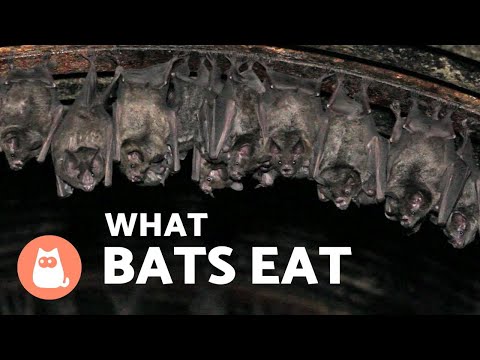
Bats have a wide range of diets based on their species. From insect hunters to fruit lovers and even blood feeders, each type of bat has unique preferences that reflect their ecological role. Let’s look closer at these different diets.
Insectivorous Bats and Their Prey
Insectivorous bats are the most common type, especially among microbats. They use echolocation to find food, navigating through the night sky while hunting insects. Their main targets include moths, beetles, and mosquitoes.
These bats play a crucial role in controlling insect populations. For instance, one bat can eat over a thousand insects in a single night! This makes them excellent allies for farmers, reducing the need for pesticides. Their ability to catch insects mid-flight showcases their impressive hunting skills.
Frugivorous Bats and Their Love for Fruit
Frugivorous bats, such as fruit bats or megabats, primarily eat fruits. They are especially attracted to tropical fruits like bananas, mangoes, and figs. These bats have adaptations that help them consume fruit, including a keen sense of smell and strong jaws.
While eating, frugivorous bats often assist in pollination and seed dispersal. Their droppings contain seeds that can grow into new plants. This relationship supports tropical ecosystems. The health of these ecosystems often relies on the habits of fruit-eating bats.
Vampire Bats: The Sanguivorous Feeders
Vampire bats are unique among their cousins because they feed on blood. These sanguivorous bats mostly target livestock, like cows and goats, at night. They use warm, sensitive sensors to find blood vessels and make small incisions with their sharp teeth.
Vampire bats extract blood without their host noticing right away. Their saliva contains anticoagulants that prevent the blood from clotting while they feed. While they may sound terrifying, they are a small part of the bat family, with only three species known to feed on blood.
Hunting Strategies and Feeding Habits

Bats are fascinating creatures with unique ways of finding food. Understanding their hunting strategies reveals how they thrive in their environments, especially when seeking out night-flying insects.
Echolocation: The Sonar System of Bats
Bats rely heavily on echolocation to hunt for food. This is a remarkable system where they emit high-frequency sounds that bounce off objects in their surroundings.
As the sound waves return, bats interpret the echoes to determine the size, shape, and distance of their prey. This skill allows them to detect even the tiniest insects in complete darkness.
When hunting, bats can adjust their calls based on the size and type of prey they’re targeting. Smaller insects might require shorter sound bursts, while larger targets may use longer calls. This adaptability makes echolocation essential for their survival.
Beyond the Echo: Other Hunting Techniques
While echolocation is vital, bats use other hunting techniques as well. Some species, like the fishing bat, skimming over water surfaces, catch fish with their sharp claws. Others hover near flowers, feeding on nectar, which helps in pollination.
Many bats engage in a hunting style where they chase insects mid-air. This method requires agility and speed, allowing them to pursue erratic fliers like moths and beetles. Their quick maneuvers enable swift captures.
Bats adapt their feeding habits based on availability and type of food. This flexibility ensures they can thrive in different environments and ecosystems. By knowing their hunting strategies, you can appreciate the important role bats play in nature.
The Role of Bats in Ecosystems

Bats are crucial for maintaining balance in ecosystems. They contribute significantly to seed dispersal and pollination, as well as serving as natural pest controllers. Let’s explore how bats benefit the environment.
Seed Dispersal and Flower Pollination
Bats play an important role in seed dispersal. When they feed on fruits, they consume seeds along with the pulp. As they move from one place to another, they excrete the seeds in different locations, helping new plants to grow. This process supports plant diversity and health within the ecosystem.
Bats also act as pollinators. They are attracted to flowers that produce nectar, which is a key food source. While drinking nectar, bats transfer pollen from one flower to another. This process helps many plants reproduce. Significant crops like peaches, bananas, and agaves depend on bats for pollination. In fact, bats are the exclusive pollinators for the agave plant, which is essential for tequila production.
Bats as Natural Pest Control
Bats are natural pest controllers. A single bat can eat up to 1,000 small insects in just one night. This includes pests that can damage crops and spread diseases. By keeping insect populations in check, bats help protect your gardens and farms.
Additionally, bat guano, or bat droppings, is an excellent fertilizer. It contains nutrients that enrich the soil, promoting plant growth. This supports healthy ecosystems, allowing both plants and animals to thrive. Bats truly contribute to sustaining the balance of nature and improving agricultural practices.
Bat Species Across the Globe

Bats are found in many parts of the world, and their diets vary based on their species and habitat. Different bats have unique food preferences that help them survive in their environments.
Notable Bats and Their Regional Diets
Little Brown Bat: Common in North America, this bat primarily eats insects like moths and beetles. They use echolocation to hunt. They capture food mid-air.
Spectral Bat: Also known as the greater false vampire bat, it resides in Central and South America. This carnivorous bat consumes small mammals and other bats. It also displays impressive hunting skills.
Flying Fox: These large bats are found in tropical regions. They feast on fruits, nectar, and pollen, playing a crucial role in pollination.
Bumblebee Bat: The smallest bat in the world lives in Southeast Asia. This tiny creature mainly eats insects. It relies on its agile flight skills to catch them.
Mexican Long-Nosed Bat: Found in Mexico and the U.S., this bat mainly feeds on nectar from agave plants. It is vital for agave pollination, helping to support tequila production.
Common Vampire Bat: Native to the Americas, this bat drinks the blood of livestock. Its unique feeding method allows it to thrive in diverse environments.
Leaf-Nosed Bat: These bats, found in tropical regions, primarily consume insects and fruit. Their distinctive nose structures help them locate food effectively.


